Health officials are scrambling to identify the source of a cyclospora outbreak that has sickened more than a thousand people across the United States, with Michigan bearing the brunt of the infections. The parasite, which causes severe gastrointestinal distress including explosive diarrhea, typically appears between May and August, but this year's surge has caught many states off guard.
The Centers for Disease Control and Prevention reports that from early May to mid-June, at least 145 cyclospora cases were confirmed nationally. However, that figure has since ballooned, with Michigan alone confirming nearly 1,000 cases—a dramatic spike from the state's usual annual average of about 50 infections. The unprecedented outbreak in Michigan has prompted local health departments to intensify investigations into potential food sources or environmental factors.

Other states are also seeing elevated case counts, though not on the scale of Michigan. The CDC has yet to pinpoint a common food item or water source responsible for the outbreak. The agency is collaborating with state health departments to trace the infections, which are often linked to imported fresh produce like berries, herbs, and lettuce.
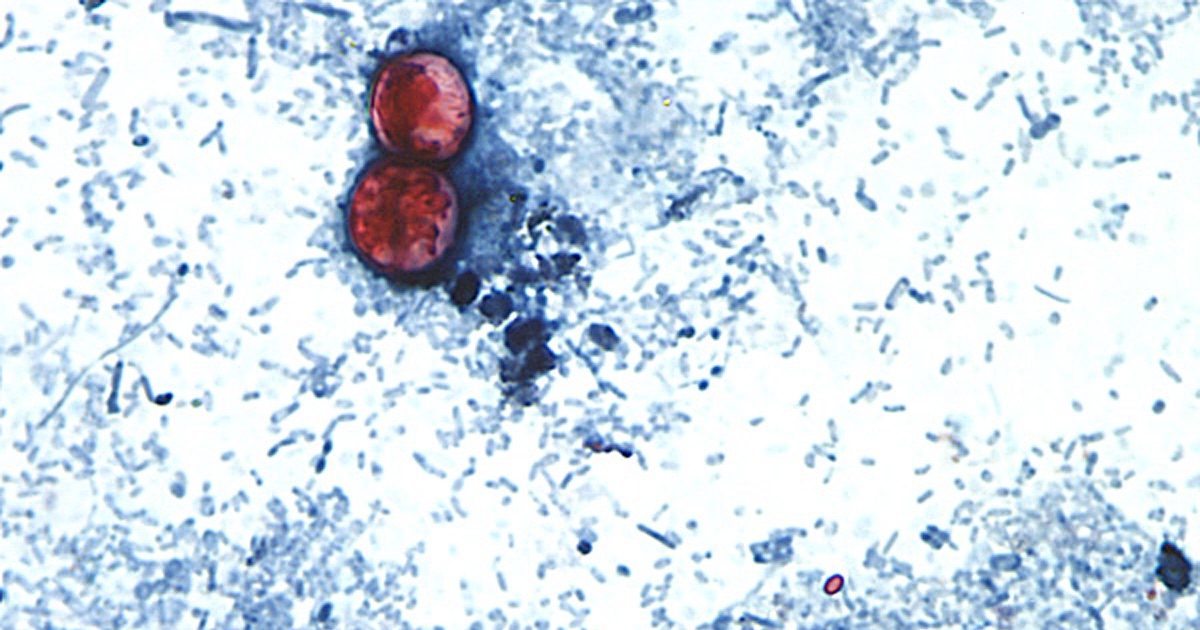
Cyclosporiasis is caused by the microscopic parasite Cyclospora cayetanensis. Symptoms include watery diarrhea, loss of appetite, weight loss, cramping, bloating, increased gas, nausea, and fatigue. The illness can last several weeks if left untreated, and those with weakened immune systems are at higher risk for severe complications.
The current spike has drawn comparisons to previous cyclospora outbreaks, including a 2018 episode linked to salad mix that sickened hundreds. The CDC investigation into the multi-state outbreak is ongoing, with officials urging clinicians to test patients with prolonged diarrheal illness for the parasite.
Public health experts emphasize that cyclosporiasis is treatable with specific antibiotics, but diagnosis requires a specialized stool test that is not always part of routine examinations. This can lead to underreporting, meaning the actual number of cases may be higher than current data suggest.
As the summer months progress, the CDC expects more cases to emerge, particularly in states with historically higher transmission rates. Travelers to tropical regions where the parasite is endemic are also advised to take precautions with food and water.
For now, the mystery of what triggered this year's surge remains unsolved. Health officials continue to collect and analyze data, while the public is urged to practice good hygiene and wash produce thoroughly.