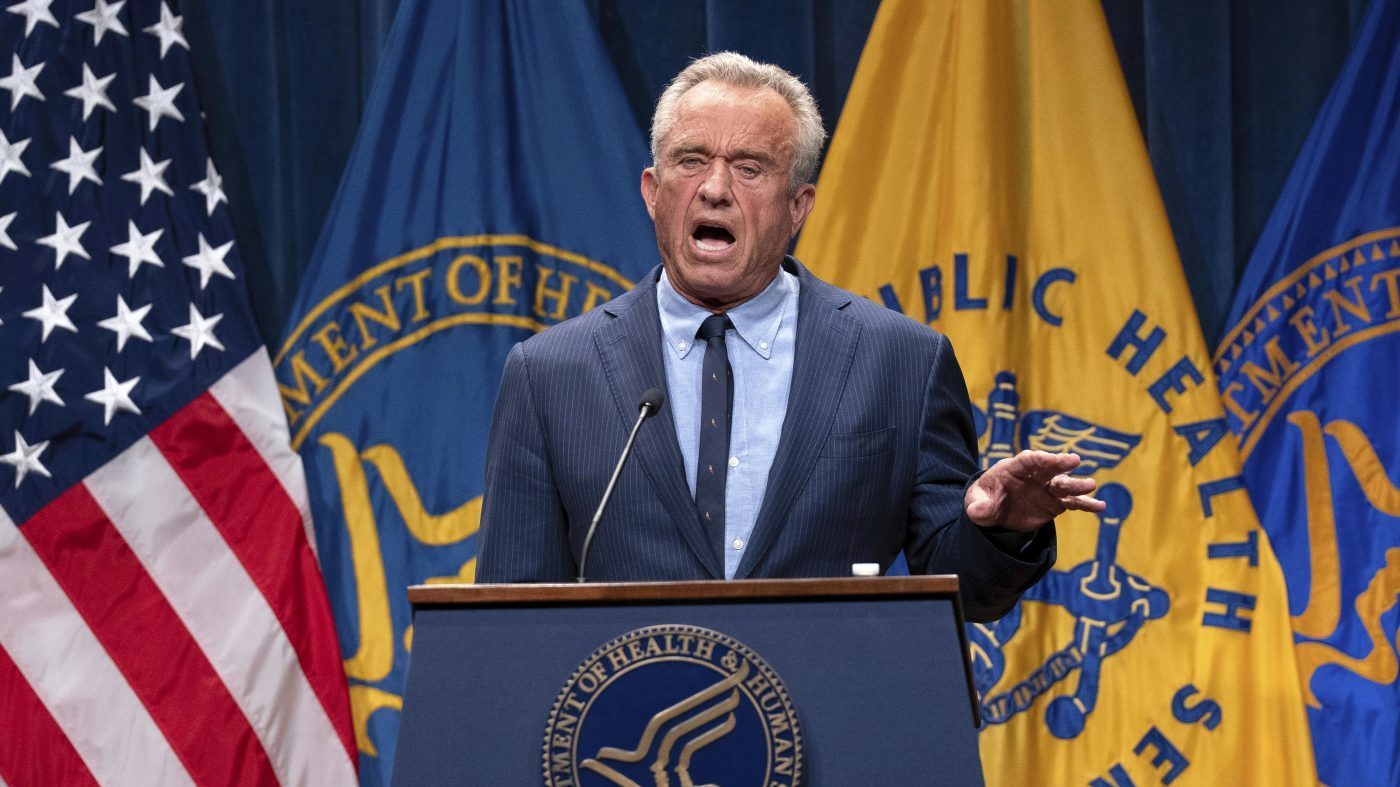
A bipartisan group of lawmakers is pressing Health and Human Services Secretary Robert F. Kennedy Jr. to implement new oversight measures for hospices, aiming to prevent discrimination against vulnerable populations in the context of medically-assisted suicide. The push comes amid growing concerns that patients with disabilities, older adults, and those with limited caregiver support may face coercion.
Lawmakers Demand Oversight
In a letter sent Thursday, Senators James Lankford (R-Okla.) and Tim Kaine (D-Va.), along with Representatives Greg Murphy (R-N.C.) and Luis Correa (D-Calif.), called on HHS to require hospices to report data on assisted suicide practices. The goal is to identify and curb discriminatory patterns that could pressure patients into ending their lives prematurely.

“Every person has inherent worth and dignity, including those facing their final days,” Lankford said in a statement. “Hospice should be a place of compassion, comfort, and care, not a place where they feel quietly pressured to end their lives through assisted suicide.”
While federal law prohibits using taxpayer funds for assisted suicide, 13 states and the District of Columbia have legalized the practice. The lawmakers warned that this creates a patchwork where vulnerable individuals may be steered toward death rather than offered robust palliative care. They also argued that assisted suicide “undermines America’s national posture of suicide prevention.”
Bipartisan Divide and Shared Concerns
The issue cuts across party lines. According to Pew Research Center data from earlier this year, Democrats are more likely than Republicans to view assisted suicide as morally acceptable. However, both Kaine and Correa, the Democratic signatories, emphasized that any patient choice must be free from discrimination or coercion.
“Where patients are making these choices, they should be free of discrimination and coercion,” Kaine said. “That is why my colleagues and I are calling on HHS and CMS to exercise oversight to make sure all patients are treated with dignity, especially at the end of their lives.”
Murphy, a practicing urologist, framed the issue in stark moral terms. “It is a great tragedy that people feel that life offers them no recourse other than to end their lives,” he said. “Rather than suicide, we should invest more in palliative care and hospice, which are much more acceptable forms of medical care. Sadly, abuses such as the lack of informed consent and discriminatory practices have occurred, and patients and their families have been wronged.”
During former President Donald Trump’s first term, his health department issued a rule granting health care workers broader leeway to refuse participation in assisted suicide. The current push for monitoring rules signals a shift toward proactive federal oversight, even as the practice remains legal in a growing number of states.
The lawmakers’ letter arrives amid broader debates about patient autonomy and federal authority. Recent cuts to federal suicide prevention programs have raised alarms, and the call for monitoring hospice-assisted suicide aligns with efforts to protect at-risk populations.
As the HHS under Kennedy weighs the request, the outcome could reshape how end-of-life care is regulated in the United States, balancing individual choice with safeguards against exploitation.