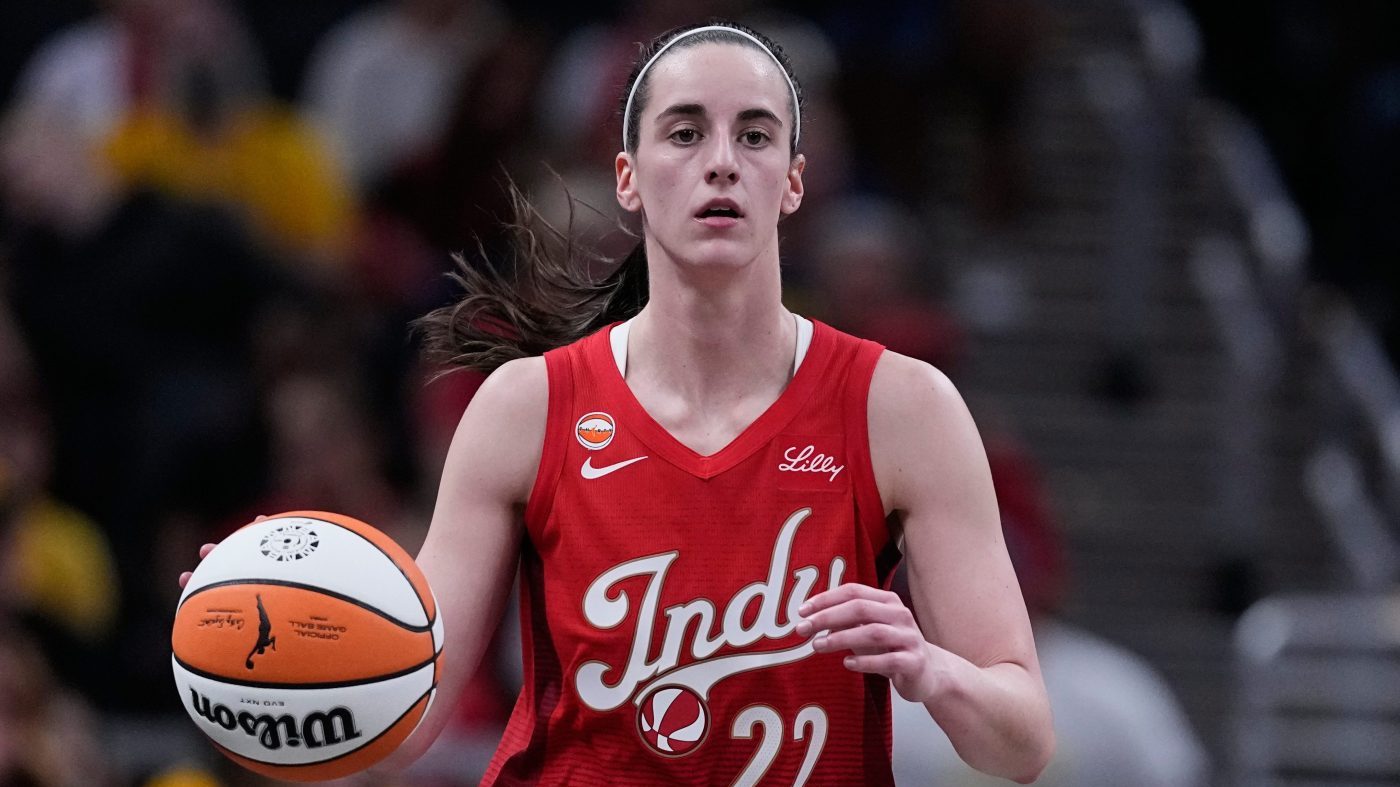
The House Republican Study Committee is escalating pressure on the WNBA to launch a formal investigation into what members describe as a pattern of physical aggression against rookie star Caitlin Clark. In a letter to league Commissioner Cathy Engelbert, Committee Chairman August Pfluger (R-TX) demanded “greater accountability” for what he characterized as “repeated acts of physical violence” targeting the Indiana Fever guard.
“Caitlin Clark is transforming women’s sports. She has inspired a new generation of young girls to participate in athletics and has become one of the most influential figures in the history of women’s basketball,” Pfluger wrote. He detailed specific incidents: “Clark has been hip-checked, poked in the eye, and struck in the throat during games. These incidents go far beyond routine physical play, yet the WNBA and its officiating have too often failed to address these unacceptable incidents and hold players accountable.”
The letter argues that Clark’s treatment may constitute a hostile work environment and could warrant scrutiny from the Department of Justice, the Department of Labor, or the Equal Employment Opportunity Commission. Rep. Tim Burchett (R-TN) echoed that sentiment, stating, “Discrimination of any kind has no place in women’s sports. The WNBA’s failure to act on these concerning incidents shows an indifference, or active disregard, for civil rights protections.”
The push comes amid a spate of hard fouls against Clark, including a particularly jarring incident last month when she was struck in the throat during a game—a moment that ignited widespread fan outrage. The league has not publicly commented on the letter or announced any formal review of the fouls.
President Donald Trump waded into the controversy during a Monday press conference, drawing a parallel to a disputed foul call in a U.S. men’s national team World Cup match. “I thought your young, wonderful basketball player … Caitlin … I thought she was treated rather rough, if you want to know the truth,” Trump said. “That was a much different kind of an event. That was a pretty bad event.”
Clark’s rapid rise has reshaped the WNBA’s visibility and finances, but it has also exposed tensions around physical play and player safety. The Republican Study Committee’s intervention adds a new political dimension to the debate, linking sports governance to broader federal workplace protections. As the league navigates growing scrutiny, the question of whether on-court fouls merit federal investigation looms larger than ever.
In a separate development, a recent Harvard study found that GLP-1 weight loss drugs are linked to a 27% jump in hiring for women, highlighting how health and workplace dynamics intersect. Meanwhile, the ongoing struggle of unions to retain members, as detailed in a report on the eight-year aftermath of the Janus decision, underscores the complexity of worker protections in America.