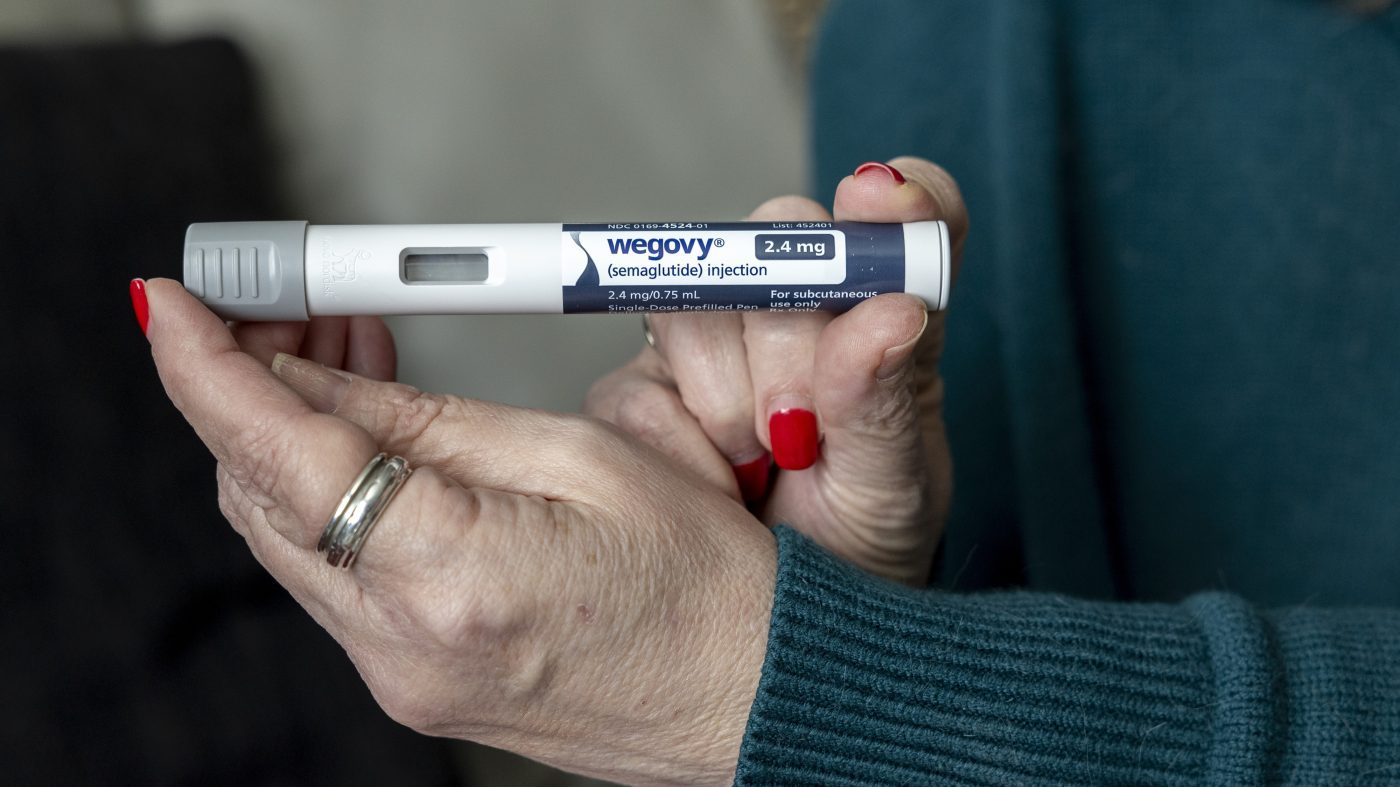
A groundbreaking study from Harvard University reveals that women taking GLP-1 weight loss drugs aren't just shedding pounds—they're also significantly more likely to land a new job. The research, conducted by economics professor Rebecca Diamond, found that the employment rate for women who were unemployed before starting the medication rose by 27 percent after roughly 18 months of use.
Diamond told Business Insider she was inspired to investigate after a friend remarked on being treated better following weight loss from GLP-1s. The findings, which analyze data from the University of Southern California's Understanding America Study—a panel of over 10,000 U.S. adults—compare women who started GLP-1s with those who expressed interest but hadn't yet taken them. The control group allowed Diamond to isolate the drug's effects from mere interest in weight loss.

“Mass pharmacological weight loss is not only a health shock. It is also a shock to the social and labor-market valuation of body weight,” Diamond wrote in the paper. The study suggests that weight stigma may play a direct role in hiring decisions, particularly for women, who often face harsher societal beauty standards. This finding echoes broader debates about fairness, including controversies over GLP-1 use in professional sports.
Interestingly, the employment boost was matched by a similar uptick in relationship status: single women taking the drugs were equally likely to get married or move in with a partner over the same period. However, Diamond noted that these gains were limited to new interactions. “What does not change for women is equally informative,” she said. “The arrangements that do not respond are the ones already in place, where any first impression occurred long ago and where weight is one characteristic embedded in a much richer stock of information.”
Despite these tangible improvements, the study found no corresponding rise in self-reported life satisfaction. “Despite life looking better on paper, it doesn’t seem like there’s some subjective wellbeing improvement that is going along with it,” Diamond observed. This disconnect raises questions about whether weight loss through medication addresses deeper issues of self-worth or simply masks societal bias. The findings also come amid rapid advances in obesity treatments, such as tirzepatide outperforming rivals in recent trials.
The study did not determine whether women who started GLP-1s eventually earned higher wages, as the panel data lacked sufficient long-term income information. Still, the results have significant policy implications, suggesting that weight discrimination may be a hidden barrier in the labor market. As GLP-1 drugs become more widespread, their impact could extend beyond health to reshape economic and social dynamics.
Diamond’s research adds a new dimension to the ongoing discussion about weight and opportunity, highlighting how pharmaceutical interventions might inadvertently alter life trajectories—for better and worse. It also underscores the need for policies that address bias directly, rather than relying on individual solutions.