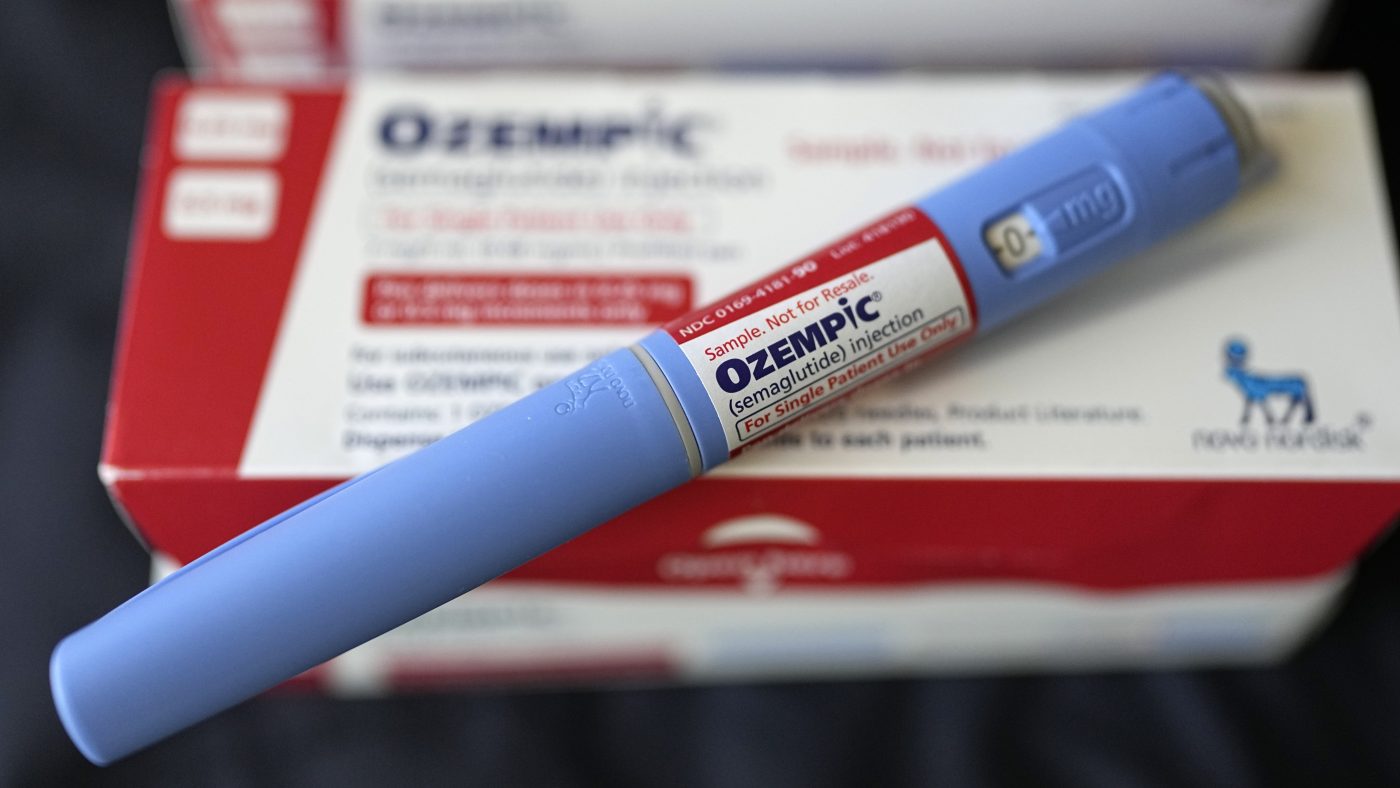
GLP-1 weight loss drugs, already a hot topic in healthcare, are now stirring controversy in the world of professional sports. Critics are questioning whether these medications should be banned as performance-enhancing substances, especially after tennis legend Serena Williams publicly credited one for her return to the court.
Williams, a 23-time Grand Slam champion, stepped away from tennis for four years before announcing her comeback. In an August interview with People magazine, she revealed that a GLP-1 drug helped her shed 34 pounds, stating it “helped me enhance everything that I was already doing — eating healthy and working out.” She has since become a spokesperson for Ro, a telehealth company providing such medications.

The debate intensified on Monday when fitness expert Jillian Michaels and former tennis pro Patrick McEnroe joined Chris Cuomo to weigh in. Michaels acknowledged that weight loss could improve an athlete’s power-to-weight ratio, making them quicker and more agile. However, she argued that GLP-1s are not akin to traditional performance enhancers like stimulants or steroids, as they don’t directly boost fitness.
“The benefits that you are seeing have to do, quite honestly, with the halo effect of her weight loss,” Michaels said, noting that Williams in her prime was likely a similar weight but with a different body composition due to age.
McEnroe echoed that sentiment, suggesting Williams’s use was driven by personal goals rather than competitive edge. “I think she did it initially because she just had two young kids. It would help her get back in shape,” he said, adding that the decision made her feel better about herself and eventually led to her return to competitive tennis.
McEnroe also pointed to the World Anti-Doping Agency’s announcement that it is studying GLP-1s for potential abuse among athletes. “I haven’t heard of any other big-time pro athletes that are taking this drug,” he noted, but acknowledged that monitoring might be necessary down the road for professional and Olympic sports.
The discussion comes amid broader scrutiny of GLP-1 drugs, which are synthetic versions of a natural hormone that regulates appetite and blood sugar. While some peptides have gained popularity for athletic recovery, Michaels stressed that GLP-1s are different. The benefits seen in sports, she argued, stem primarily from weight loss rather than direct performance enhancement.
As the debate unfolds, the sports world watches closely. For now, the issue remains unresolved, but the conversation highlights the growing intersection of healthcare policy and athletic competition. Recent studies on GLP-1 drugs have shown promise in areas like male fertility, further expanding their medical profile. Meanwhile, legislative efforts to address drug patents could impact access to these medications.