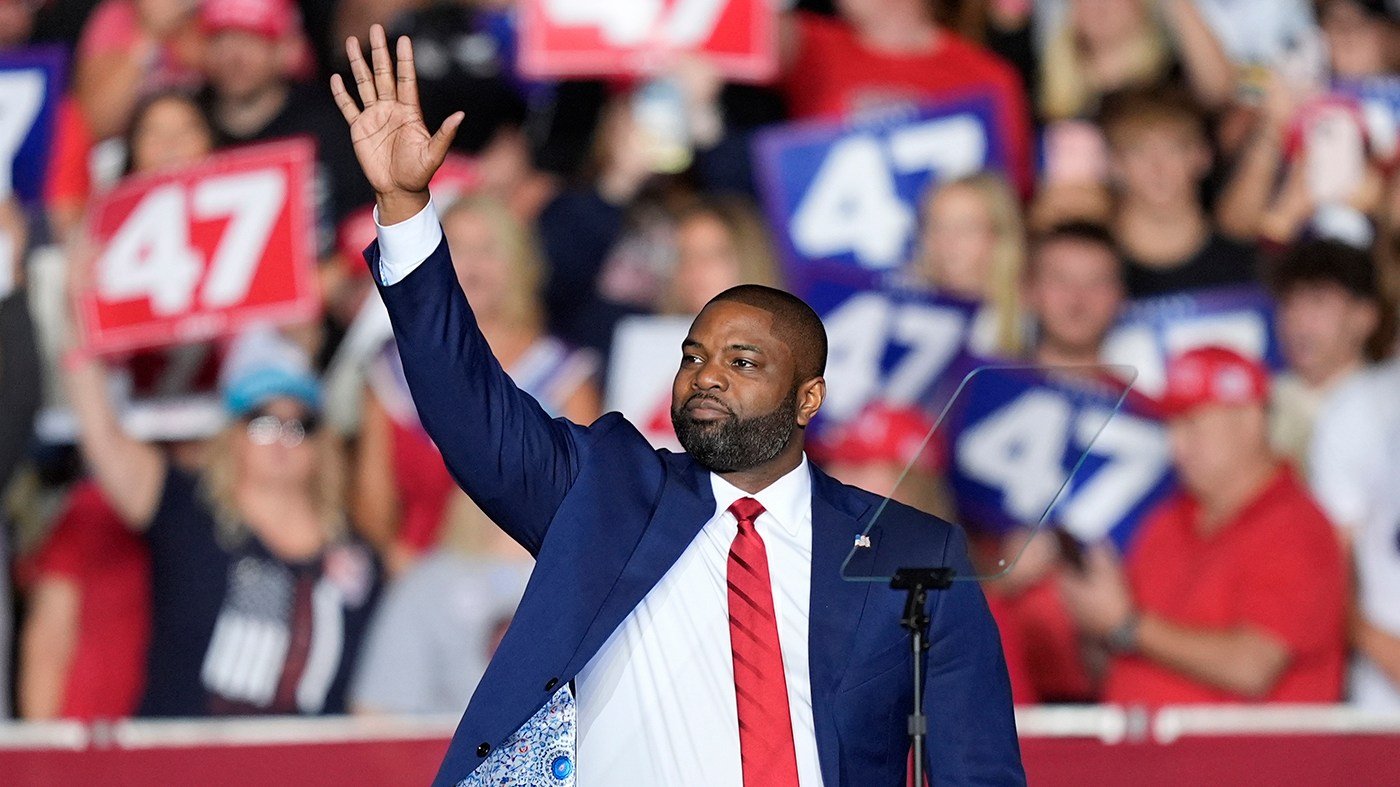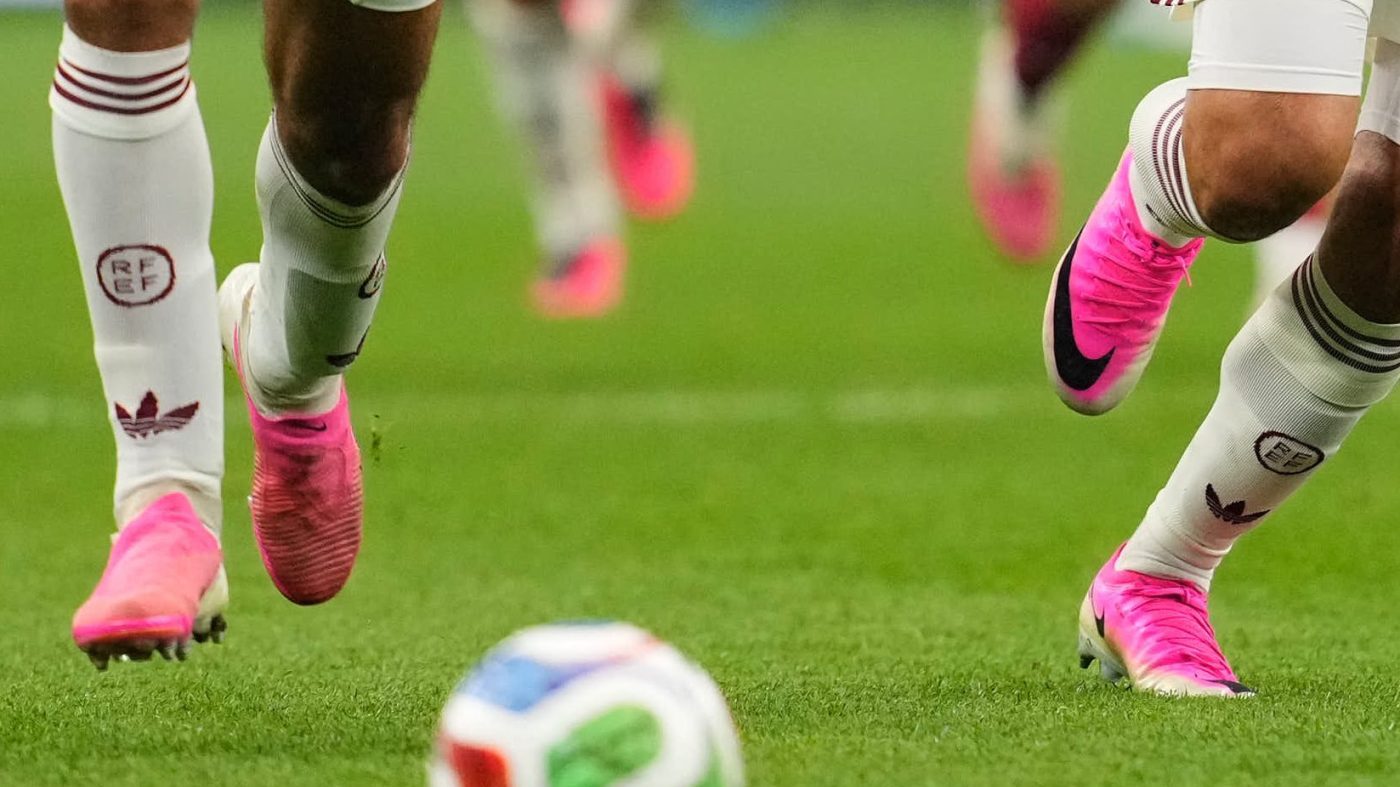
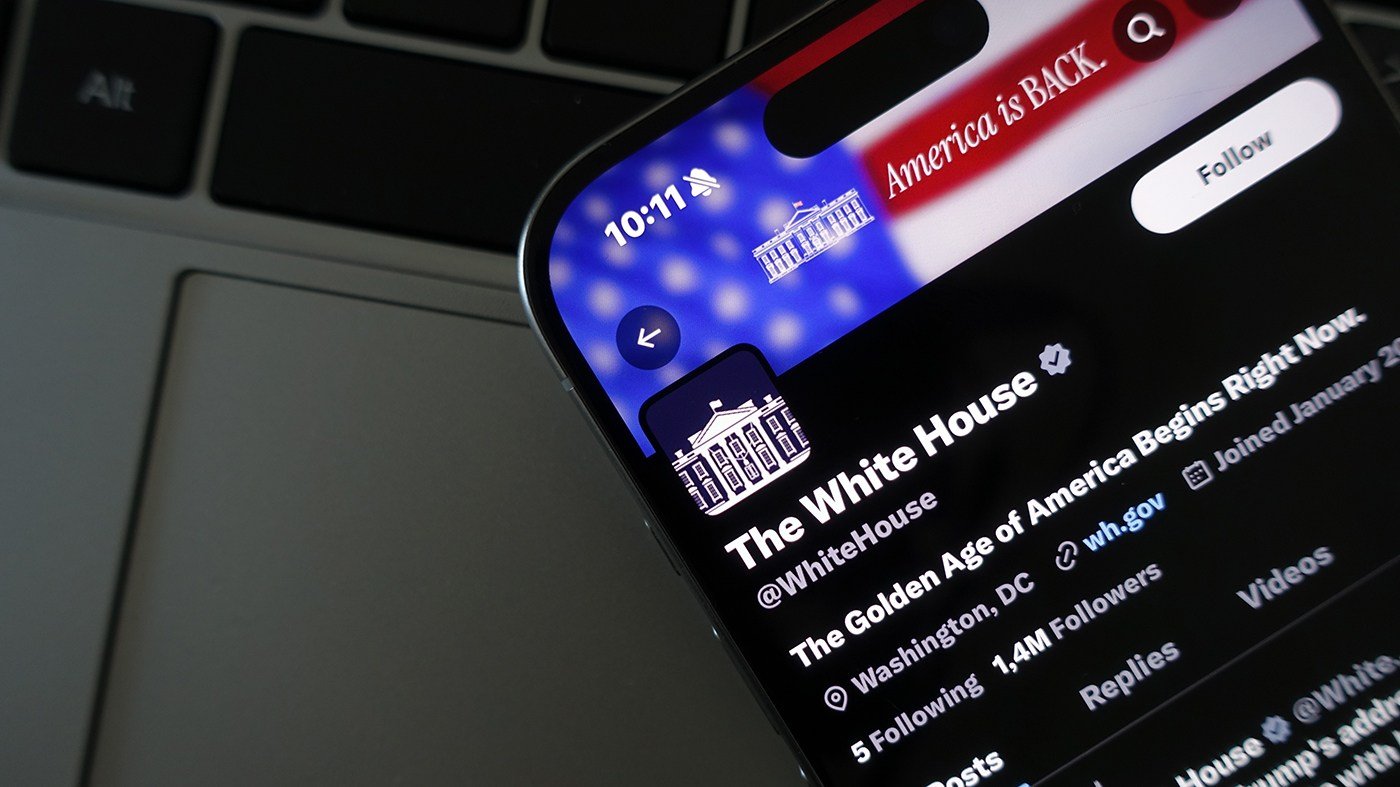
In the ever-shifting landscape of cultural trends, pink has emerged as an unlikely but persistent force in 2026. While Pantone crowned “Cloud Dancer” as its color of the year, pink has infiltrated everything from World Cup cleats to political branding, leaving experts and marketers taking note.
“It really is a great color from the science point,” said Rachel Plybon Beach, a teaching assistant professor at West Virginia University’s School of Art and Design. “The hues are really broad, so you can go from warm to cool, and they can play with it.” This versatility, she argues, makes pink a powerful tool in fashion, interiors, and even political messaging.
The resurgence follows a period when pink was largely dismissed as “too cute,” according to Colleen Moretz, an associate professor of fashion design at the same institution. But cultural moments, from the “Barbie” movie to Taylor Swift’s Eras Tour, have rekindled its appeal. “Don’t think for a second they didn’t know [pink] would be popular after ‘Barbie,’” Plybon Beach said. “They knew, and they knew the exact kind of pink to appeal to people.”
Science may also play a role. Studies suggest our brains associate pink with calm and transition, possibly rooted in ancestral ties to sunrises and sunsets. Baker-Miller pink, a specific shade, was even shown to reduce aggression in prisoners. Other research links pink to optimism, which experts say is particularly resonant in today’s climate.
“Right now, I think we need a little bit of happiness,” Plybon Beach noted, pointing to pink’s ability to evoke cheer in uncertain times, much like its popularity during the Great Depression when affordable cosmetics offered a small escape.
Consumer behavior is a key driver. “If the consumer likes it and they start buying it … we start shifting gears,” Plybon Beach explained. This demand is visible in recent releases, from Angel Reese’s pink basketball shoe to pink-hued drinks at Starbucks and Dunkin. Even Farmers Insurance adopted a soft-pink rebrand, signaling a broader acceptance beyond fashion.
Political analysts see parallels in how color can shape public perception. Just as red, white, and blue surged after 9/11 and again during America’s semiquincentennial, pink’s rise reflects a collective mood. “Sometimes colors shine because of a cultural moment,” Moretz said, noting that athleisure’s neutral palette during the pandemic set the stage for pink’s pop of contrast.
For those hesitant to fully embrace the trend, experts suggest starting with accents—artwork, throw pillows, or a scarf. “You don’t have to go all out, but you can add … different elements of that color,” Moretz advised.
Looking ahead, the next colors to watch may emerge from the same cycle of couture and consumer feedback, as “The Devil Wears Prada” famously illustrated. Yellow is already hinting at a breakthrough, but for now, pink’s hold on 2026 seems secure, blending science, psychology, and sheer market appeal.