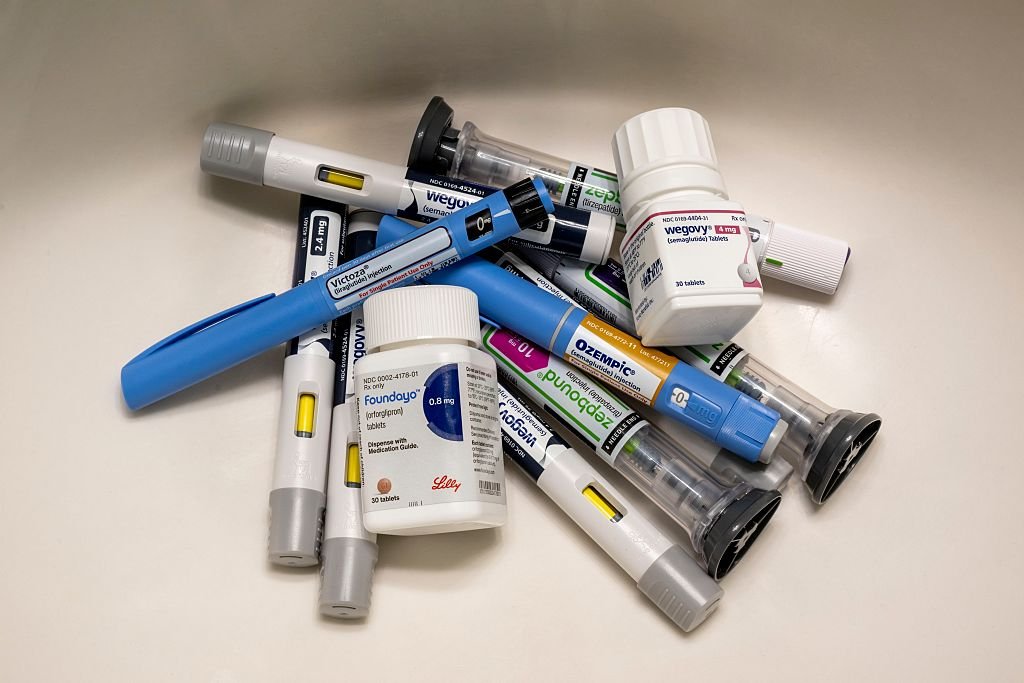
A comprehensive meta-analysis from the University of Georgia has settled a key question in the booming GLP-1 market: which drug delivers the most weight loss? The answer, according to researchers, is tirzepatide—marketed by Eli Lilly as Zepbound for weight loss and Mounjaro for diabetes.
The study, which pooled data from 14,000 non-diabetic patients, compared three leading GLP-1 receptor agonists: tirzepatide, semaglutide (sold as Wegovy and Ozempic by Novo Nordisk), and liraglutide (marketed as Saxenda and Victoza). The results were stark: patients on tirzepatide lost more than 20% of their starting body weight, while those on semaglutide lost around 15%, and liraglutide users shed about 8%.

Why tirzepatide leads
Tirzepatide’s advantage may stem from its dual mechanism—it targets both GLP-1 and GIP receptors, unlike semaglutide and liraglutide, which only stimulate GLP-1. This dual action appears to amplify appetite suppression and metabolic changes, driving greater weight loss. The meta-analysis is one of the largest head-to-head comparisons to date, offering clarity for clinicians and patients navigating an increasingly crowded field.
The findings come amid a broader political and policy debate over access to these medications. As emergency care safety nets face strain, the high cost of GLP-1 drugs—often exceeding $1,000 per month without insurance—has drawn scrutiny from lawmakers. Medicare is currently barred from covering weight loss drugs, though proposed legislation could change that.
Implications for patients and payers
For patients, the choice between these drugs may hinge on insurance coverage and side effects. Tirzepatide’s superior efficacy could justify its higher list price, but many insurers still require step therapy—starting with cheaper options like liraglutide before approving newer drugs. The study’s authors argue that for non-diabetic patients seeking significant weight loss, tirzepatide should be a first-line option.
The weight loss drug market has become a political flashpoint, with President Trump’s administration opening federal lands to commercial interests while also exploring ways to lower drug prices. Meanwhile, a recent veterans study showing COVID-19 vaccines reduce heart attack and stroke risk underscores the growing intersection of public health and policy.
Market and regulatory landscape
Eli Lilly and Novo Nordisk are racing to expand production capacity amid soaring demand. The U.S. Food and Drug Administration has listed several GLP-1 drugs on its shortage list, allowing compounding pharmacies to produce cheaper versions—a move that has sparked legal battles over patents. The meta-analysis could bolster Lilly’s case for tirzepatide’s superiority in future pricing negotiations.
As the obesity epidemic drives health costs, the study adds fuel to the argument that effective weight loss interventions can reduce long-term healthcare spending. With medically tailored meals already shown to cut hospitalizations, policymakers are increasingly looking at comprehensive approaches to chronic disease.
The University of Georgia researchers emphasized that while tirzepatide leads, all three drugs are effective compared to placebo or lifestyle changes alone. They called for longer-term studies to assess durability of weight loss and cardiovascular outcomes—data that could shape future coverage decisions and political battles over obesity treatment.