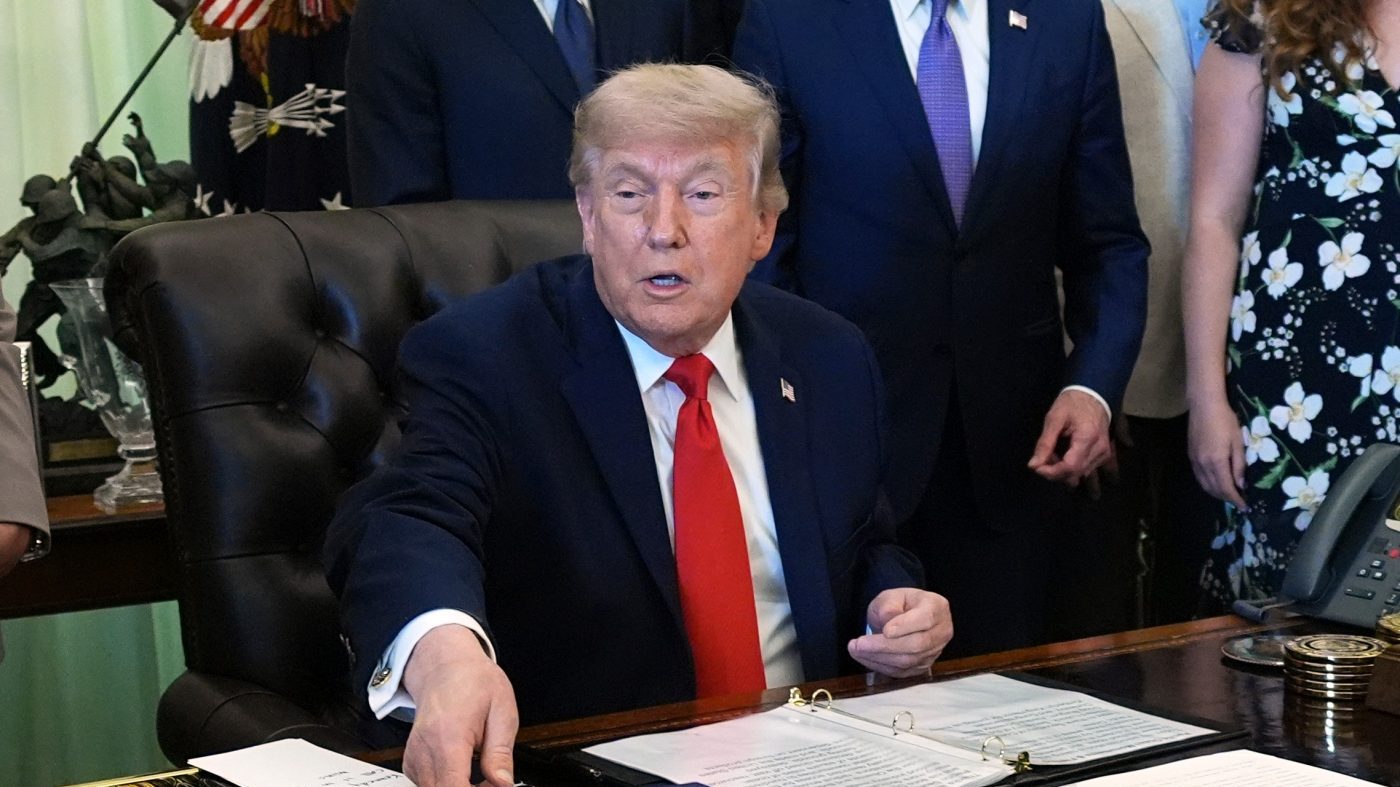
President Donald Trump signed a proclamation Thursday that rolls back environmental protections on three major Pacific marine national monuments, opening vast stretches of ocean to commercial fishing operations. The move affects waters around the northwestern Hawaiian Islands, the Northern Mariana Islands, and American Samoa.
Speaking at the signing, Trump framed the decision as an economic win, declaring his administration is unlocking billions in value and protecting jobs for his supporters. He said the action will also help lower seafood costs for American consumers.
The areas now open for commercial exploitation include sections of the Mariana Trench Marine National Monument, Papahānaumokuākea Marine National Monument, and Rose Atoll Marine National Monument. Together, these zones span roughly half a million square miles.
This is not the first time the Trump administration has targeted marine protections. Earlier, the president moved to allow commercial fishing in the Northeast Canyons and Seamounts Marine National Monument off the Atlantic coast. The administration has consistently argued that federal restrictions on fishing have hurt the industry and driven up prices.
Environmental groups and some Pacific island leaders have criticized the decision, warning it could damage fragile ecosystems and undermine conservation efforts that were decades in the making. The monuments were originally established by previous administrations to protect unique marine habitats, including deep-sea trenches, coral reefs, and endangered species.
The proclamation is the latest in a series of Trump administration actions aimed at rolling back regulations across multiple sectors. In related political developments, the president has also tapped former SEC Chair Jay Clayton to lead the intelligence community, a move that has stirred debate over national security priorities. Meanwhile, tensions over surveillance authority have led Democrats to block a FISA 702 extension in a standoff tied to Clayton's appointment.
Trump's fishing policy shift also aligns with his broader push to reduce what he calls unnecessary federal oversight. The administration has framed these changes as a way to boost domestic industry and lower consumer costs, though critics argue the long-term environmental costs could outweigh short-term economic gains.
The fishing industry has largely welcomed the move, with representatives saying it will create jobs and provide more affordable seafood. However, the decision is likely to face legal challenges from conservation groups and may become a flashpoint in the ongoing debate over environmental regulation versus economic development.