Senate Democrats on Thursday blocked Republican efforts to pass a short-term extension of the nation's surveillance powers under Section 702 of the Foreign Intelligence Surveillance Act (FISA), escalating a standoff that threatens to let the authority expire at midnight Friday.
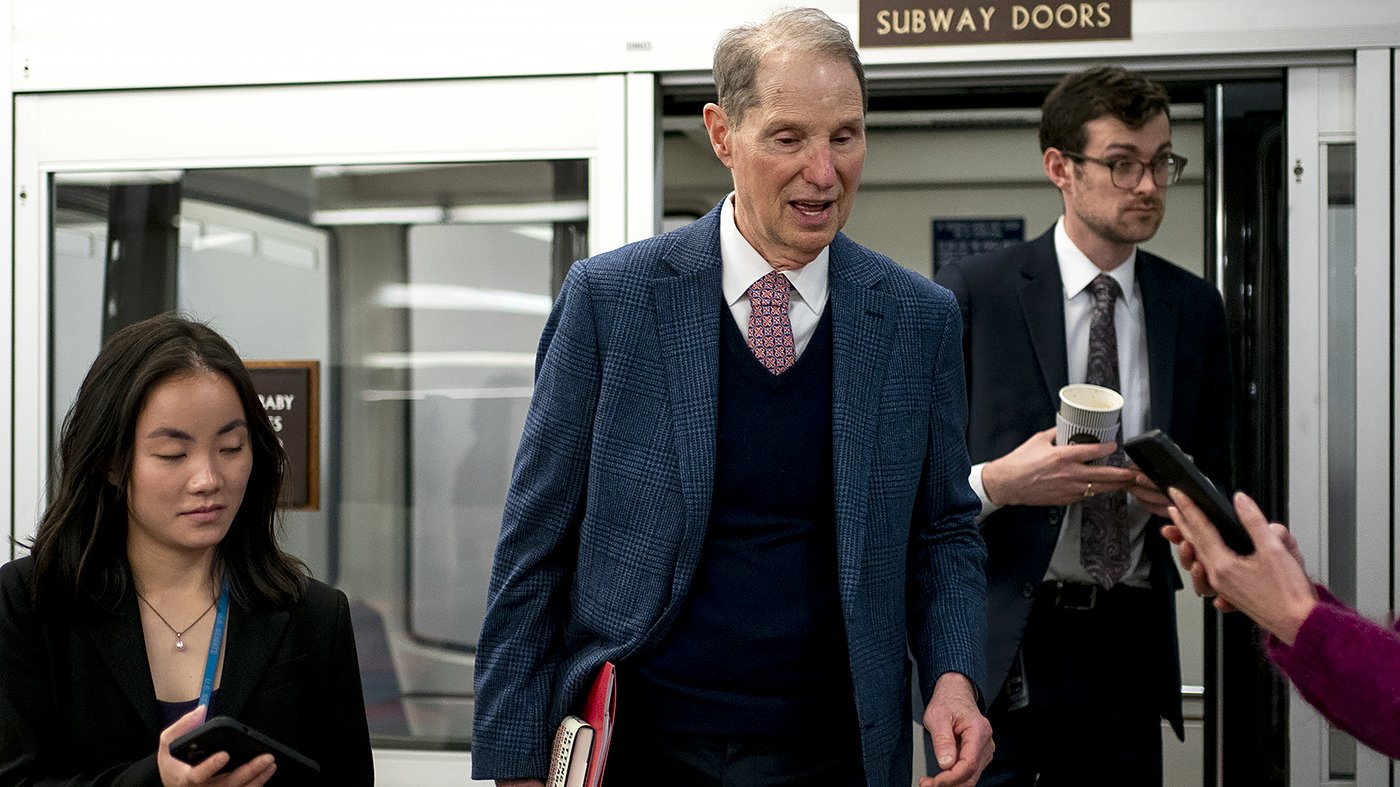
The move came as Sen. Tom Cotton (R-Ark.) sought unanimous consent to extend the program until July 2, but Sen. Ron Wyden (D-Ore.) objected. Majority Leader John Thune (R-S.D.) then proposed a one-week extension, which Wyden also blocked.
This marks the second time in a single day that Congress failed to renew Section 702, heightening the risk that the surveillance tool will go dark. The authority allows the government to monitor foreigners abroad without a warrant, but critics demand a warrant before reviewing communications of Americans incidentally collected during such surveillance.
Democrats have refused to advance any short-term extension due to President Trump's installation of Bull Pulte as acting director of national intelligence, bypassing Senate confirmation. The dispute has linked the fate of a key national security program to a political battle over an unconfirmed appointee.
Wyden, a longtime advocate for requiring warrants under Section 702, argued that repeated failures to pass FISA reflect broader bipartisan dissatisfaction with the program. "Bipartisan majorities in both the House and the Senate have now rejected what I consider to be the surveillance status quo," he said on the floor. "There have been too many abuses of Americans' rights across multiple administrations, and members of Congress are now standing up and saying no more."
Cotton countered by labeling Wyden an "implacable ideological opponent of this law," warning that letting the authority lapse could have dire consequences. "If we don't extend it for at least a few weeks while we continue to work on our differences, the consequences could be severe—frankly, they could be fatal," he said. Cotton also noted that Section 702 does not target Americans but foreigners abroad, and that expiration would remove existing guardrails on intelligence agencies.
The dispute also saw Cotton object to a Wyden proposal to extend FISA for five weeks while requiring disclosure of classified records on the program's use, which Cotton called "unworkable."
Thune blasted Democrats for effectively shutting down the surveillance program over a temporary acting position. "What this is all about is a temporary acting role at DNI," he said. "Democrats have decided to block something that many in the past have supported—keeping this country safe—because they don't like the person President Trump is putting into a temporary acting role."
The standoff follows a similar collapse in the House, where Democrats revolted over Pulte's intelligence role, further complicating the path to renewal. As the Friday deadline looms, the fate of a cornerstone surveillance tool remains uncertain, with both sides digging in over reform demands and political grievances.