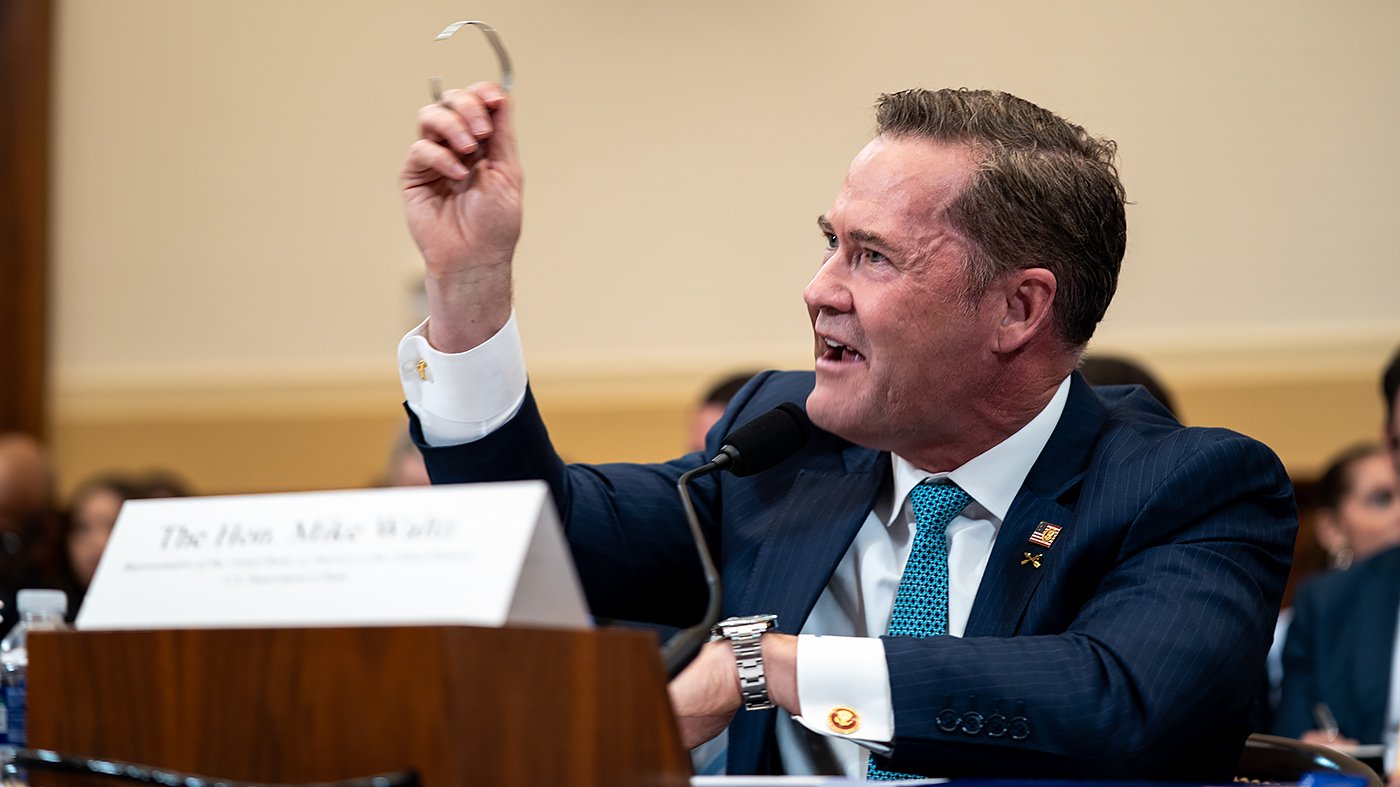
U.S. Ambassador to the United Nations Mike Waltz on Sunday pinned the blame for the Pentagon's depleted munitions stockpiles squarely on former President Biden, but he pushed back against claims that the shortfall is hampering military operations against Iran.
Appearing on NBC's Meet the Press, Waltz told host Kristen Welker that the depletion of weapons reserves stemmed from years of Biden-era support for Ukraine, as well as sustained U.S. strikes on Houthi targets in Yemen—operations that continued under the Trump administration. “We have to take a step back here in that a lot of stockpiles were depleted not only from what we gave Ukraine over the last four or five years,” Waltz said.
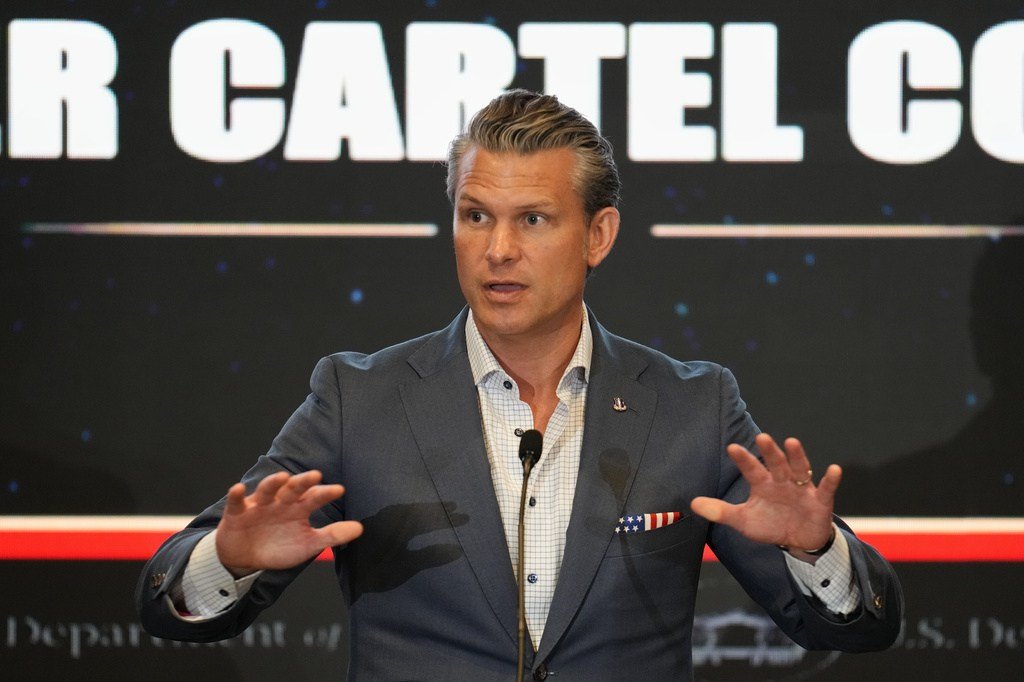
Waltz also noted that Defense Secretary Pete Hegseth “inherited a depleted situation” from the previous administration, pointing to the ongoing campaign against the Iran-backed Houthi group, which the Trump administration has continued for nearly two months.
His comments come amid a report from NBC News that U.S. military commanders have been forced to selectively intercept Iranian missiles and drones to conserve the Pentagon's dwindling supply of interceptors. Military analysts estimate it could take four years or more to restock weapons inventories, assuming Congress approves additional funding.
House Republicans this week passed a $95 billion budget framework that includes a boost for the Pentagon, but the package faces an uncertain path in the Senate. The House has already left for its August recess, and the Senate is set to follow on Friday.
Gen. Dan Caine, chairman of the Joint Chiefs of Staff, warned the Senate Appropriations Committee earlier this week that failing to approve the administration's $21 billion supplemental request for munitions would be a serious mistake. “If we don’t, as a team, figure out how to properly fund the department, and you know, we’re not going to get the munitions, and there’s going to be a lack of shared risk between the federal government and the private sector,” Caine told Sen. Deb Fischer (R-Neb.).
Despite these warnings, Waltz insisted Sunday that the U.S. military is fully equipped for its campaign against Iran. “I want to be crystal clear. The U.S. military, and I’ve verified this every which way, has everything that it needs to conduct this campaign as effectively as it needs to be,” he said.
The ambassador also took a hard line on leaks about weapons stockpiles, saying those responsible “deserve to be in jail.” His remarks come amid a broader debate over military readiness and the administration's strategy on Iran, as Trump nears a decision on a major escalation of military strikes against Iran.
The issue has also drawn criticism from some lawmakers. Sen. Susan Collins (R-Maine) recently blasted Hegseth's mass firing of senior military officers, calling it a threat to meritocracy. Meanwhile, the Pentagon's struggles with inventory have raised questions about the long-term sustainability of U.S. military operations in the Middle East.