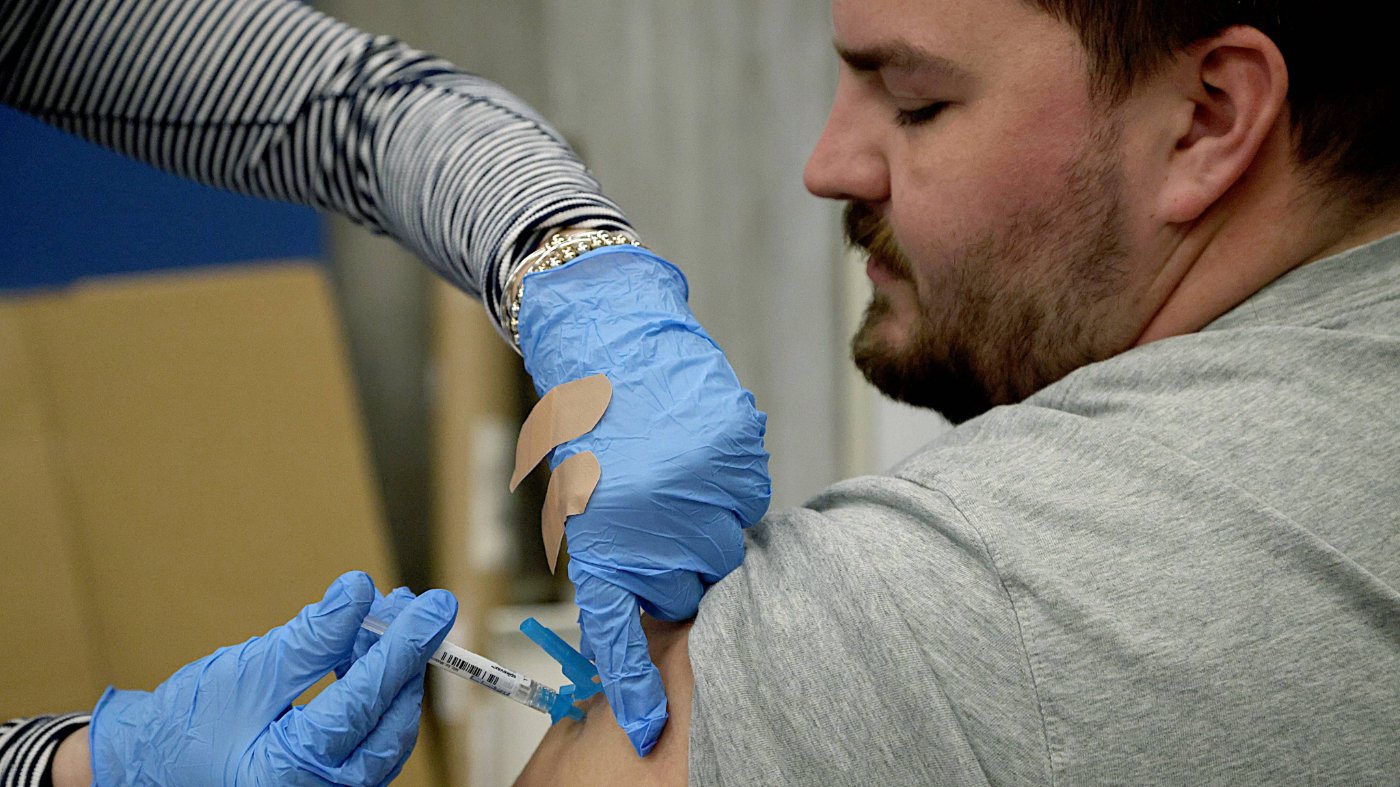
A major study published Monday in JAMA Internal Medicine provides new evidence that COVID-19 vaccination significantly reduces the risk of serious cardiovascular events linked to the virus. Researchers found that immunized veterans experienced roughly a 40 percent lower chance of heart attacks and strokes compared to those who only received the flu vaccine.
The analysis, which drew on health records from more than 1 million veterans who used the Department of Veterans Affairs system between 2024 and 2025, compared two groups: one that received only the seasonal flu shot and another that got both the flu and COVID-19 vaccines. The vaccinated group showed a 37.7 percent reduction in virus-related heart conditions.

More striking, the study reported that the COVID-19 vaccine cut the risk of cardiovascular death tied to the virus by nearly 60 percent. Heart attack risk dropped by about 40 percent, stroke risk by just over 30 percent, and hospitalizations for heart failure by roughly 40 percent.
“These findings reinforce the broader health benefits of COVID-19 vaccination beyond just preventing acute infection,” the authors noted. The research team emphasized that the protective effect was most pronounced among veterans over 75 and those with pre-existing health conditions.
The study aligns with earlier work, including research conducted in England from 2020 to 2022, which found that even a first dose of the vaccine led to an overall reduction in cardiovascular conditions such as heart attacks and strokes.
Beyond cardiovascular protection, the vaccinated group also saw a 6 percent lower risk of all heart conditions and a 7 percent reduction in deaths and hospitalizations overall. The sample was predominantly male (over 90 percent) with an average age of 70.1 years.
This research adds to a growing body of evidence that vaccines offer ancillary benefits, a topic that has drawn increasing attention as policymakers weigh public health strategies. For context, recent debates over maternal vaccine guidance have highlighted the complexity of such decisions, as seen in the OB-GYN group's break with CDC recommendations.
The findings also come amid broader discussions about how preventive care can reduce healthcare costs. A separate study on medically tailored meals recently demonstrated similar potential for cutting hospitalizations and saving money.
While the study’s authors caution that the veteran population may not perfectly represent the general public, the size and consistency of the results provide strong evidence that COVID-19 vaccination confers substantial cardiovascular protection, particularly for older adults and those with underlying conditions.