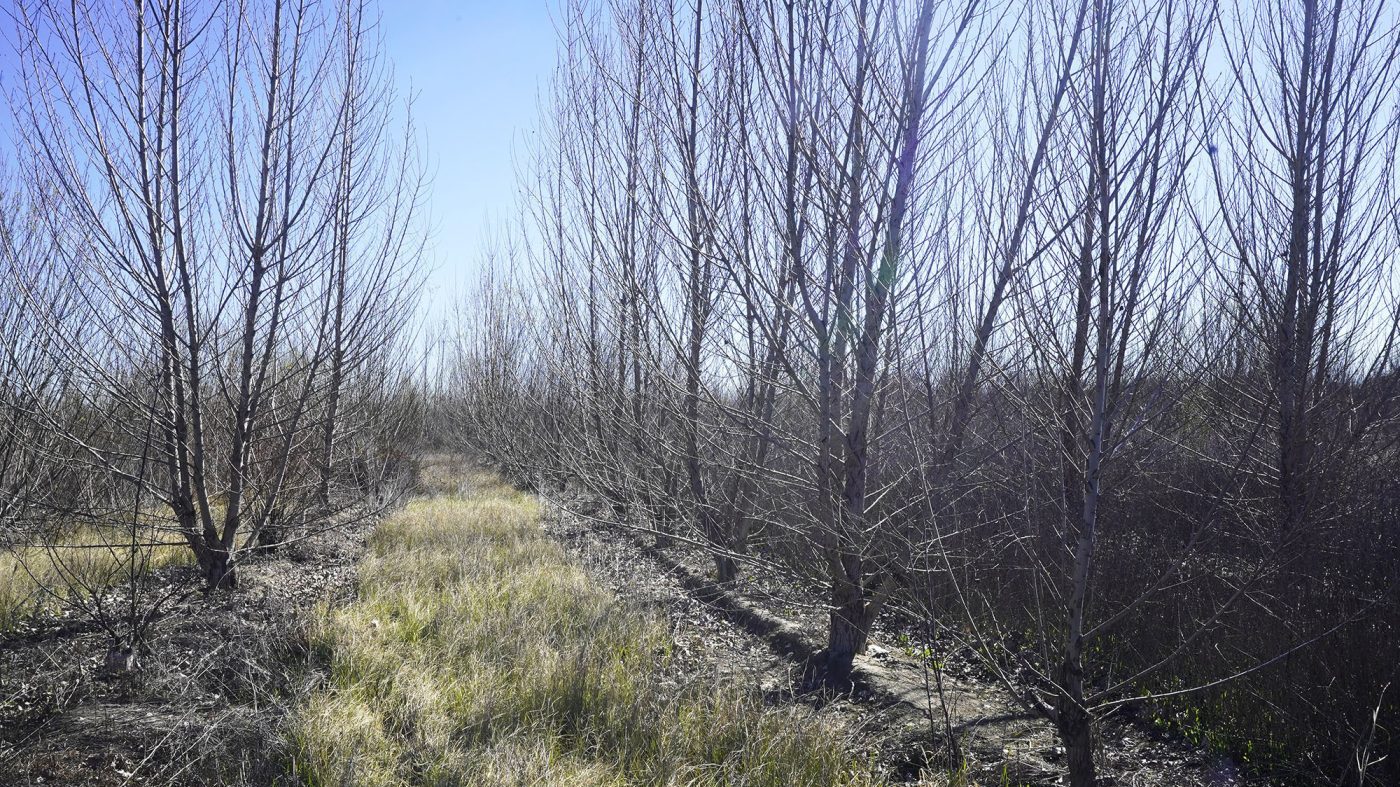
Environmental activists are escalating their fight against President Trump's border wall in Arizona, with one demonstrator arrested Wednesday for climbing an ancient Fremont cottonwood tree slated for removal. The tree, estimated between 200 and 250 years old, stands in the path of the wall's construction through the San Rafael Valley.
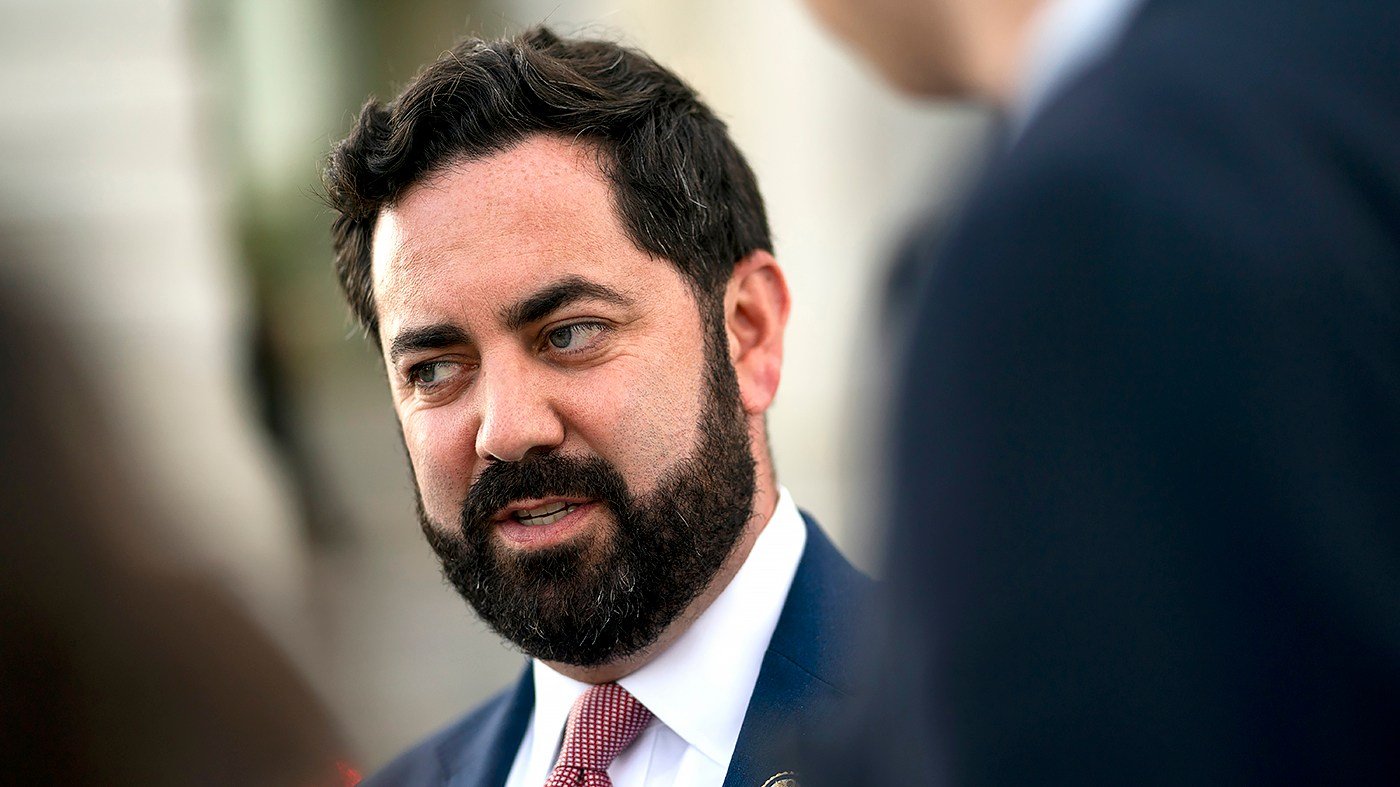
The arrest came after three similar cottonwoods were cut down earlier this week, sparking outrage among conservation groups. Russ McSpadden, a Southwest conservation advocate at the Center for Biological Diversity, condemned the destruction in a statement, calling it a death sentence for an entire ecosystem.

These trees, capable of consuming up to 200 gallons of water daily, anchor the local ecology. Their deep roots tap underground water tables, making them a natural magnet for wildlife, including jaguars, ocelots, black bears, pronghorn, and hundreds of bird species. Jaguars, listed as near threatened on the IUCN Red List, are occasionally spotted in the region.
McSpadden has formally urged the Department of Homeland Security (DHS) and Customs and Border Protection (CBP) to conduct comprehensive biological and cultural surveys before proceeding. In a letter to Homeland Security Secretary Markwayne Mullin, he wrote, “The ancient cottonwoods of Lochiel cannot be replaced once they are destroyed.”
This protest is part of a broader pattern of opposition to Trump's border policies. For instance, some Senate Republicans have quietly pushed back on other Trump administration initiatives, reflecting internal GOP tensions.
The San Rafael Valley, described by McSpadden as one of North America's most biologically rich landscapes, faces ongoing pressure from border security infrastructure. Critics argue that the wall not only disrupts wildlife corridors but also undermines conservation efforts in a region that spans the U.S.-Mexico border.
Meanwhile, the Trump administration continues to prioritize border security, with other controversial moves like targeting illegal truckers for veteran replacements drawing scrutiny. The fate of the Lochiel cottonwood remains uncertain, but activists vow to remain in the tree to shield it from bulldozers.
McSpadden's letter underscores a plea for restraint: “DHS and CBP have an opportunity and an obligation to prevent further harm to this irreplaceable borderlands landscape. We urge you to immediately suspend construction activities and take action to protect the ecological and cultural resources of the San Rafael Valley.”