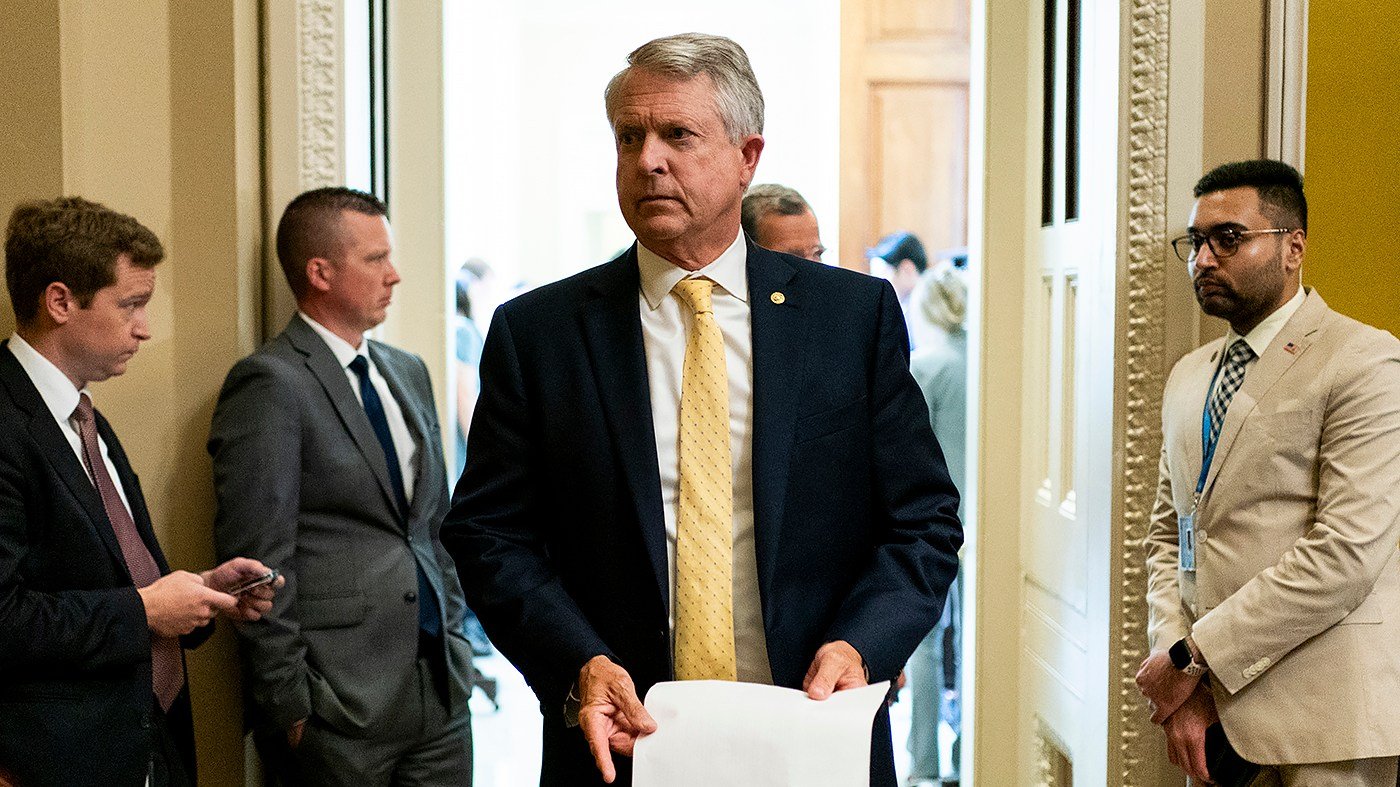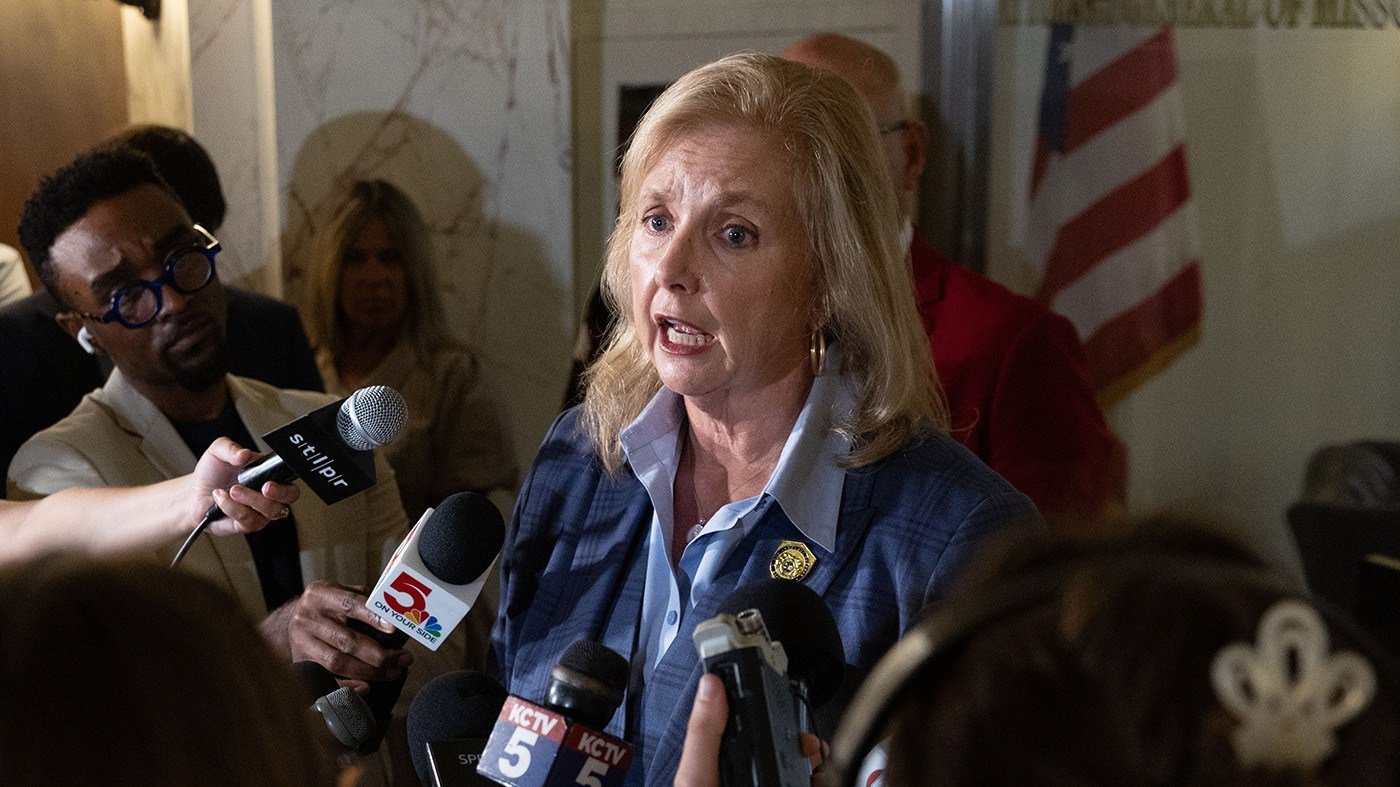
Republicans are sharpening their midterm message by casting prominent Muslim Democrats as central threats, a strategy that drew sharp criticism from Democratic leaders and civil rights advocates after a convention crowd member called for violence.
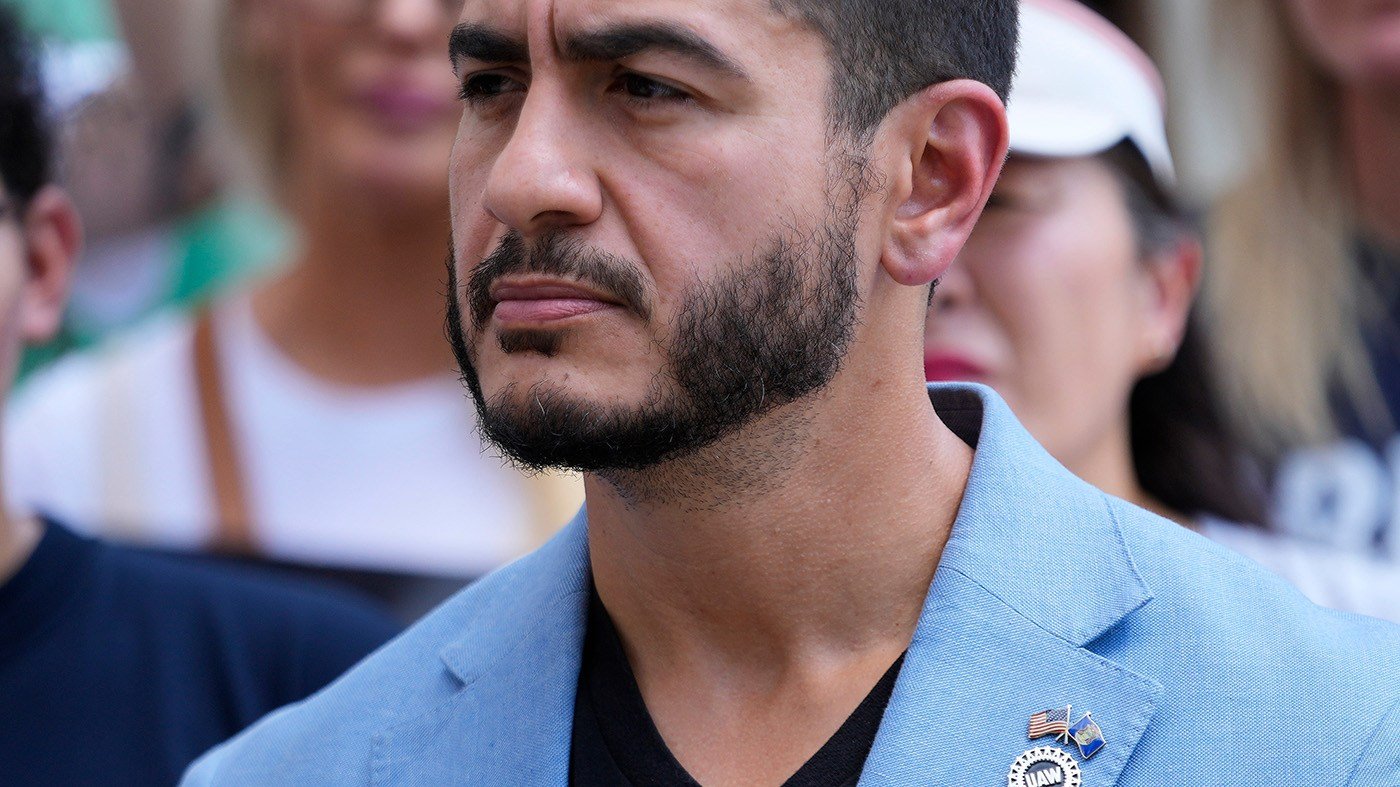
The escalation unfolded at the GOP's inaugural midterm convention in Dallas, where a roster of national figures singled out New York City Mayor Zohran Mamdani and Michigan Senate candidate Abdul El-Sayed. Both are among the most visible Muslim American Democrats in the country, and Republicans are seeking to make them symbols of a party they describe as extreme and un-American.
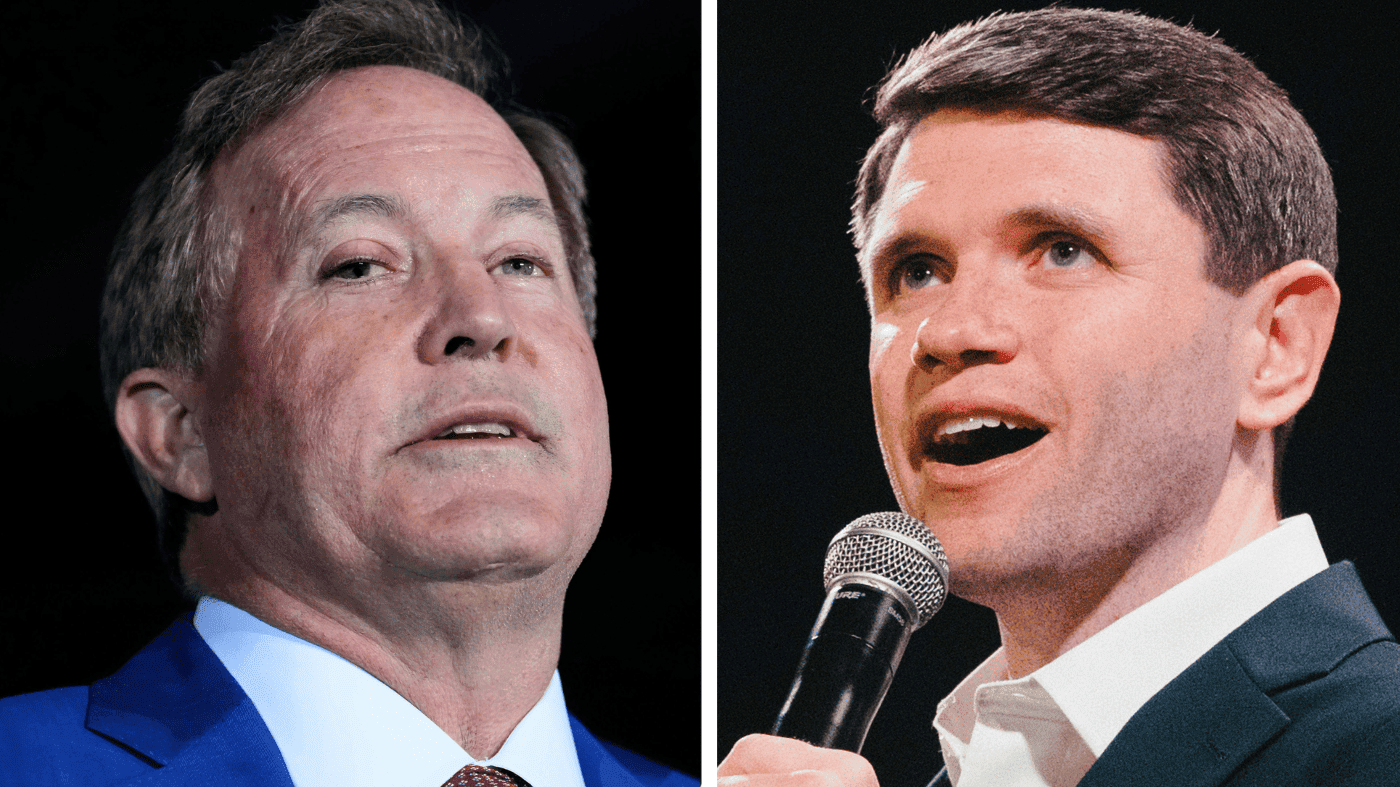
Sen. Ted Cruz (R-Texas) used his speech to amplify warnings about the alleged spread of sharia law, naming Mamdani and El-Sayed as examples. As he spoke, an audience member shouted that El-Sayed "should be shot." Cruz did not acknowledge the remark, and his office did not respond to requests for comment.
El-Sayed, who is running in a competitive race against former Rep. Mike Rogers (R-Mich.), condemned the comment, saying Republicans should "call it out for what it is: a call to violence that ought to be condemned across the board." Mamdani, who was marking the 25th anniversary of the 9/11 attacks in New York, has not publicly responded.
The incident occurred on the second day of the convention, which also marked the one-year anniversary of the assassination of conservative activist Charlie Kirk. Organizers had used the occasion to denounce political violence, making the shouted threat especially jarring.
The Council on American-Islamic Relations, the nation's largest Muslim civil rights group, issued a statement calling Cruz's continued speech "deeply alarming and unacceptable." The group said that "failing to denounce such dangerous rhetoric normalizes political violence and endangers public servants and community members alike."
Rep. Delia Ramirez (D-Ill.) wrote on X that it is "disturbing that calls for and threats of political violence against opponents are tolerated." She added that Cruz "had the opportunity to end the calls for violence, instead he riled people up," and demanded an apology to Mamdani, El-Sayed, and Texas Senate candidate James Talarico.
Republican strategist Brian Seitchik defended the approach, arguing it is not about religion but about ideology. "This is the face of the modern Democratic Party," he said. "It's not anti-Muslim, it's anti-socialist. It's not the faith that's in question, it's their anti-capitalist world view." He added that Democrats would be better off if El-Sayed loses, because a win would "empower the crazy left." El-Sayed does not identify as a democratic socialist and is not a member of the Democratic Socialists of America.
Democratic strategists predicted the strategy would backfire, particularly in swing states like Michigan. Eddie Vale noted that President Trump had previously enjoyed support in Muslim communities, and said Republicans are "lighting that on fire again." Anthony Coley argued that the GOP is running on "distraction, division, and resentment" because it cannot defend its own record, pointing to unfulfilled promises on prices and the Epstein files.
Vice President Vance, who earlier called El-Sayed "very, very evil," urged voters not to "give the country over to a bunch of crazy people." He also attacked El-Sayed over remarks about his family, saying El-Sayed looks at his grandfather and "sees the color of his skin." El-Sayed has stressed that he opposes any religious law, saying, "we live in an America where you should have the freedom of your religion."
The episode highlights how the GOP is leaning into cultural and religious themes as it seeks to rally its base ahead of the midterms. But with Democrats holding a double-digit lead in recent polling, some Republicans worry the strategy could alienate swing voters. The controversy also comes as the party faces economic headwinds and as advisers see only a narrow path to defying midterm history.