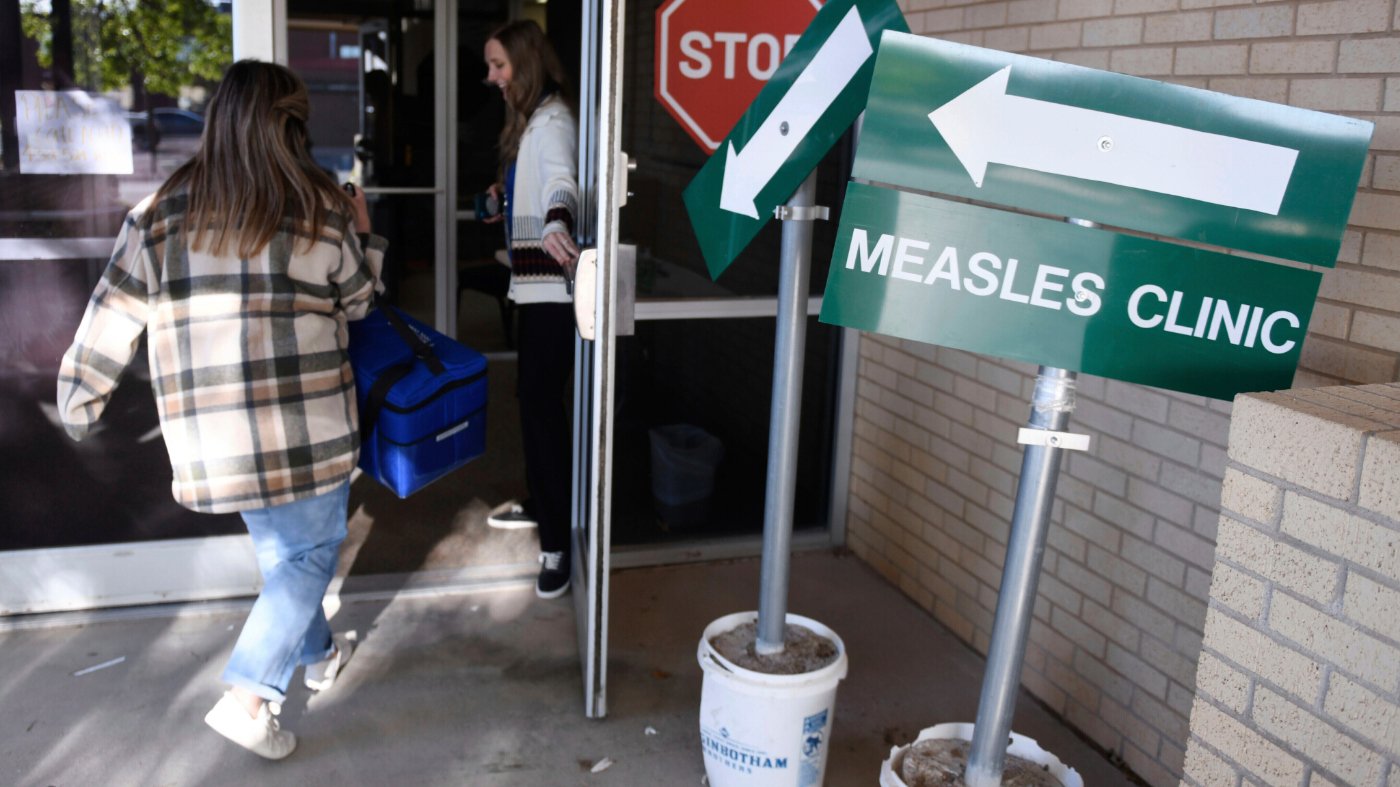
The United States has crossed a troubling threshold: more measles cases have been reported in 2026 than in any year since 1991. Yet unlike the COVID-19 pandemic, when school boards, street protests, and political leaders were consumed by public health debates, this outbreak has been met with a deafening silence from both the public and elected officials.
During the pandemic, public health was a flashpoint—mask mandates, vaccine requirements, and personal freedoms sparked fierce arguments at school board meetings, in letters to officials, and on the campaign trail. But now, with measles cases soaring and a massive cyclosporiasis outbreak spreading across 41 states, the urgency has evaporated. The question is why.
Public health agencies have long operated quietly in the background, ensuring safe food and water, controlling infectious diseases, and preventing epidemics. When threats like H1N1, Ebola, or Zika emerged, the Centers for Disease Control and Prevention (CDC) led a robust federal response. That changed during COVID-19, when pandemic measures became politically polarized along red-blue lines, tearing communities apart and turning public health into a culture war battleground.
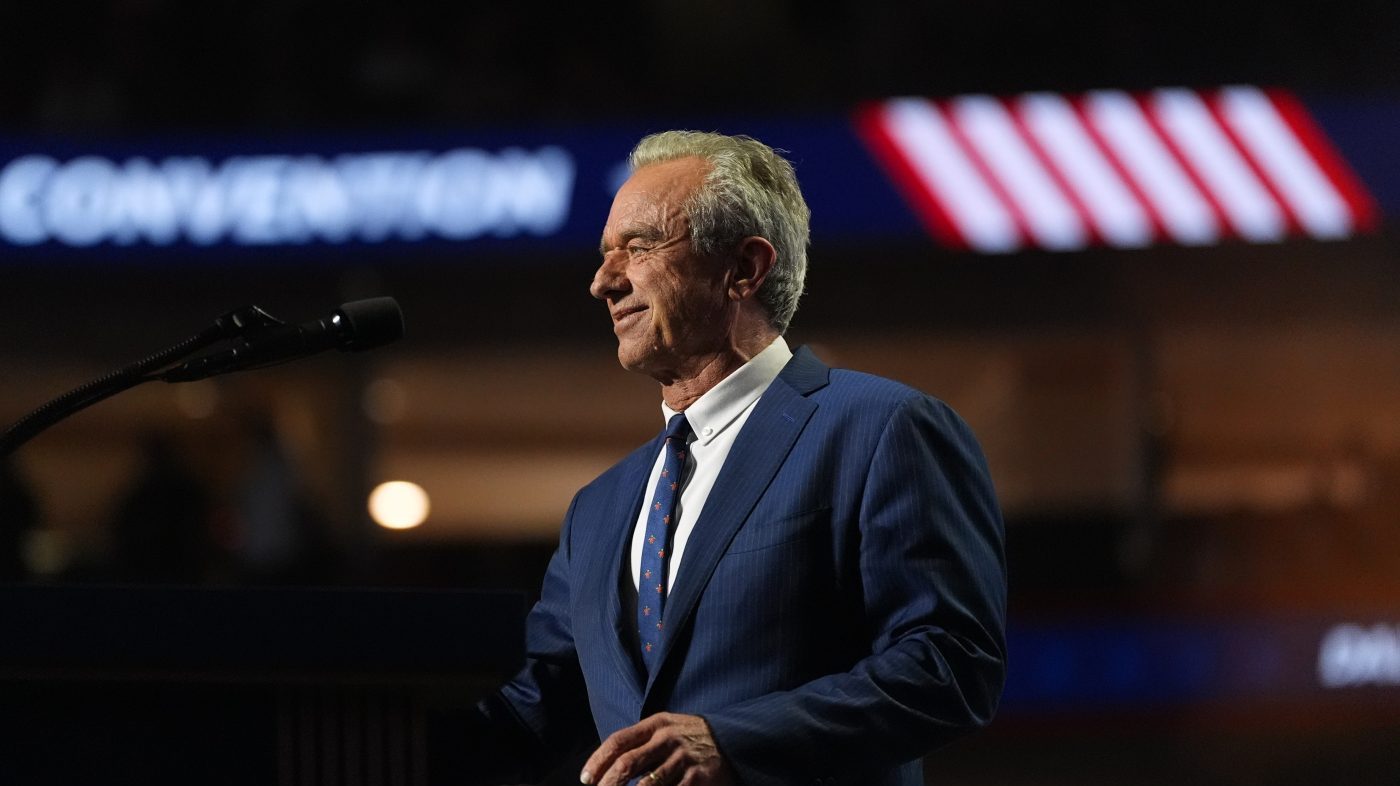
In the past two years, the CDC has suffered significant budget cuts, weakening its ability to respond to outbreaks. The Department of Health and Human Services, now led by Robert F. Kennedy Jr., has promoted anti-vaccine and non-mainstream health policies. State health departments are forming their own consortia to fill the expertise gap, and some states are bypassing CDC guidance altogether to set their own vaccine rules.
The notion of individual rights, stripped of any sense of communal responsibility, is increasingly used to oppose vaccination. As a result, vaccination rates among children have fallen below critical thresholds in many areas, leaving communities vulnerable to preventable diseases. In 2025, the U.S. recorded more than 2,200 measles cases and three deaths. By mid-2026, that number had already been surpassed, with over 2,300 cases reported.
Meanwhile, the cyclosporiasis outbreak has infected more than 11,000 people across 41 states. In previous decades, such an outbreak would have triggered immediate public alerts and bipartisan calls to action. Instead, the CDC waited two months before issuing a health advisory, and federal communication has been scant, inaccurate, or dismissive.
State responses have been uneven. Some states provide detailed public information on measles cases and vaccination sites, while others—like Florida—offer little or no official data, leaving the media to inform the public. This patchwork approach has left many citizens in the dark about the severity of the outbreaks.
Public protests remain rare, and few politicians are sounding alarms. The absence of outrage is striking, especially given the serious cuts to federal public health funding that are impairing outbreak response and straining state budgets. But Americans are also grappling with economic hardship, rising healthcare and food costs, and a deeply polarized political climate. Asking the public to mobilize as they did during COVID-19 may be too much at this moment.
Typically, elected officials at all levels would step up to express outrage and demand action. Their silence is more dangerous than the outbreaks themselves. As the nation faces a potential public health crisis, the lack of political will and public engagement may be the most alarming symptom of all.