The coalition of America's adversaries is proving more resilient than Washington's formal alliance network. Despite significant military and economic setbacks, Iran, Russia, China, and the so-called Axis of Resistance—including the Houthis, Hezbollah, Hamas, and Iraqi militias—are actively coordinating to erode American influence. This comes even as Ukraine inflicts heavy losses on Russia and US-Israeli strikes degrade Iran's capabilities.
North Korea's Expanding Role
Pyongyang is dispatching an additional 30,000 troops to Russia—roughly double the previous deployment. These soldiers, poorly integrated and lacking Russian language skills, are expected to serve as frontline cannon fodder, according to military analysts.
Russia's Covert Support to Iran
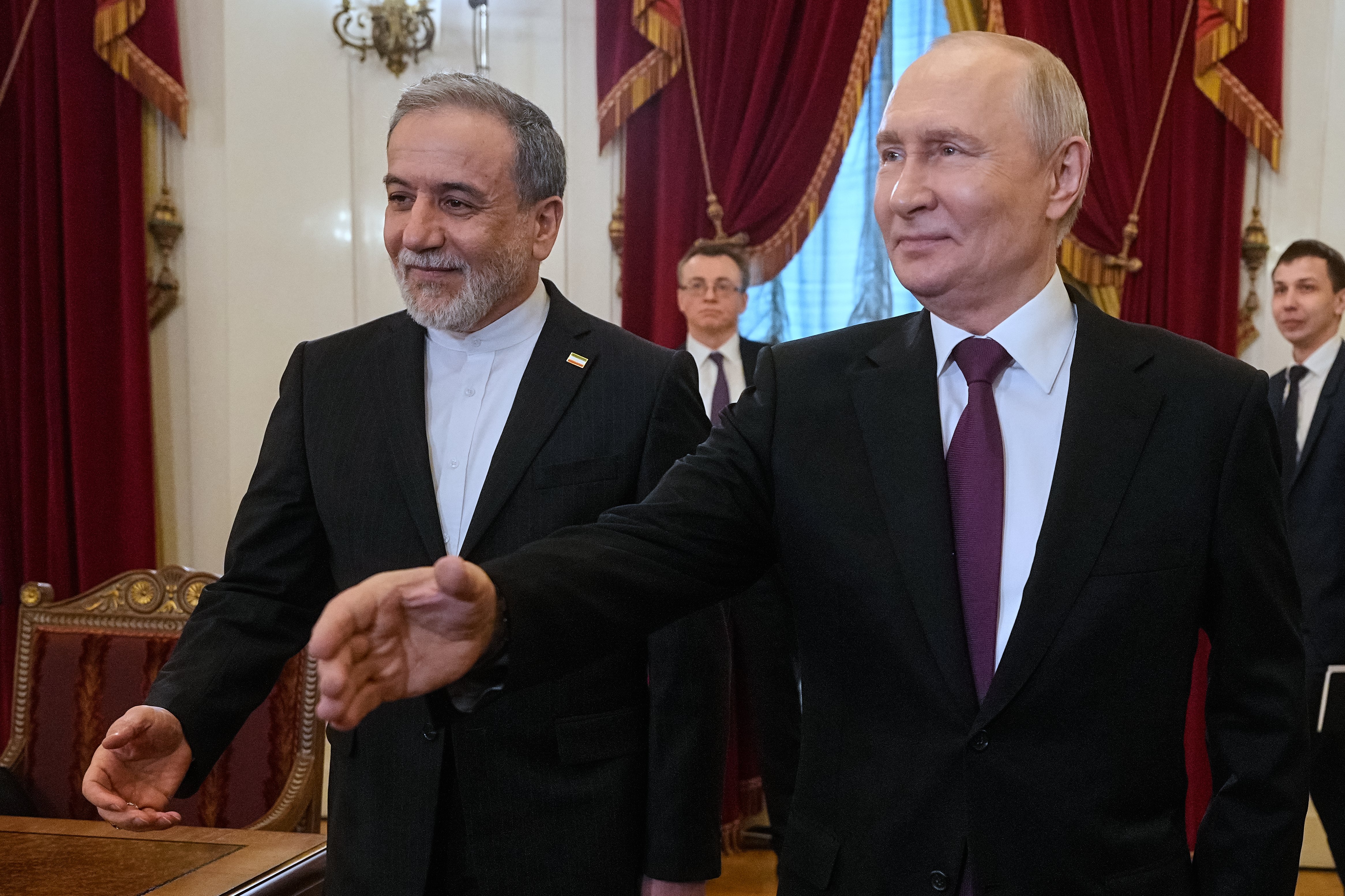
Moscow is providing Tehran with satellite surveillance and targeting data, enabling more precise strikes on American facilities. Despite its own struggles, Russia continues to supply drones and components to Iran. Ukrainian President Volodymyr Zelensky announced last week that his forces conducted "long-range strikes in the Caspian Sea", hitting two Russian vessels used for military cargo shipments to Iran. Notably, Zelensky reportedly avoided raising Russia-Iran intelligence in a recent Trump meeting, according to an envoy.
China's Quiet Backing
China has provided covert support to both Russia and Iran. Last year, Beijing accounted for 80% of components used in Russian weapons production, including drone parts and surveillance support. China is also shipping Iran 400 shoulder-fired air-defense missile launchers and providing reconnaissance aid and chemicals for missile fuel.
Iran's Resilience and Attacks
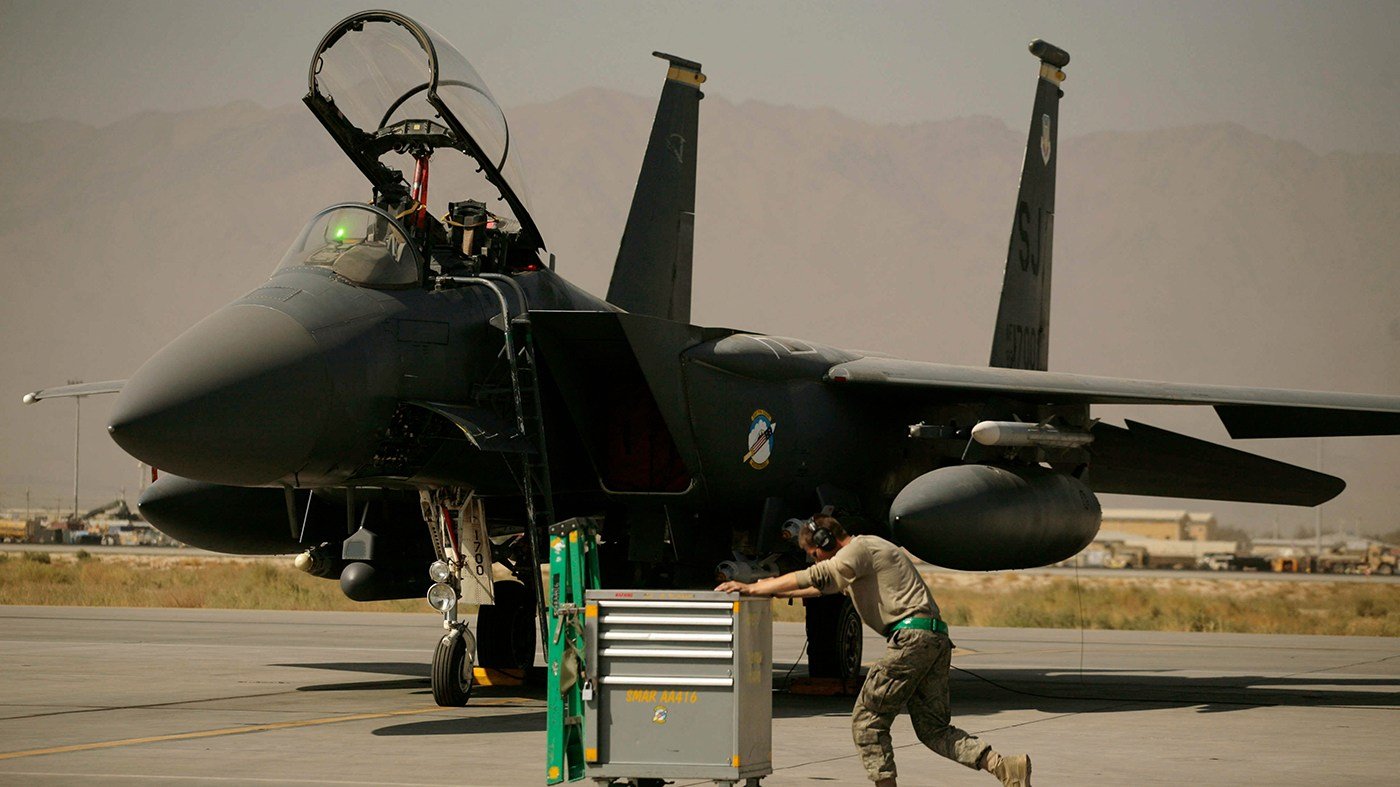
Despite thousands of US and Israeli strikes on Iranian launchers and infrastructure, Iran continues to rebuild its ballistic missile forces. This week, the Islamic Revolutionary Guard Corps fired five ballistic missiles at Muwaffaq Salti Air Base and Central Command facilities in Jordan.
Iran also maintains support for the Houthis, sending senior commanders and missile-related equipment to Yemen. The rebels have closed the Bab el Mandab strait to shipping headed to Saudi ports, and Tehran has pressed them to close it entirely if the US targets Iran's power grid. The Houthis previously fired missiles at Israel in support of Tehran, suggesting they will comply.
Axis of Resistance in Action
Iraqi militias, such as the Guardians of Blood Brigades, have attacked US targets in Erbil and the Baghdad embassy, drawing US and Saudi retaliatory strikes. Iran continues to fund Hezbollah despite resupply difficulties, and Hamas, under new leader Khalil al-Hayya—close to Tehran—keeps firing at Israeli targets.
US Allies Hesitant
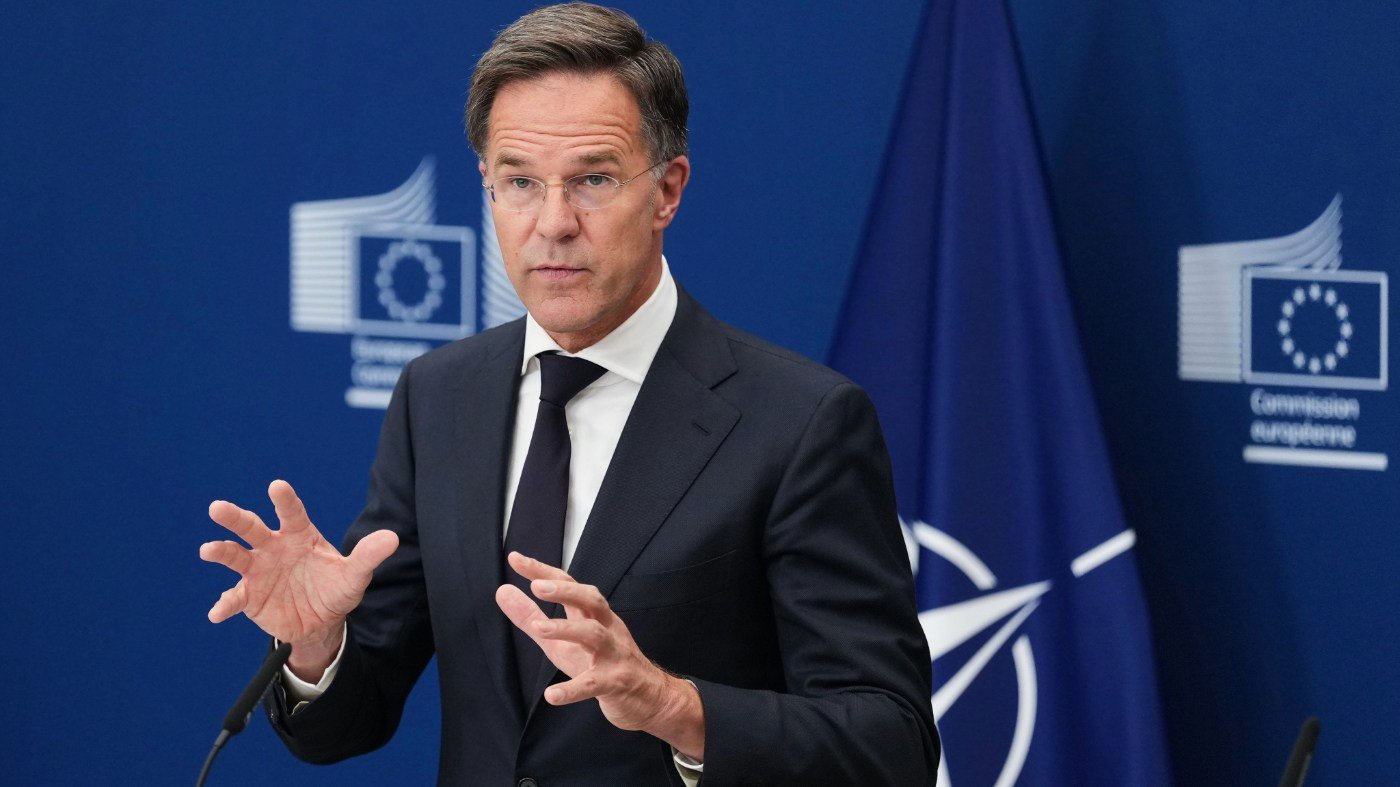
In contrast, America's formal allies have been reluctant to join its Middle East operations. NATO members, frustrated by Washington's criticism and refusal to send Ukraine more equipment, have held back. Japan and South Korea, which supported US efforts in Iraq, have stayed aloof. Even Gulf states like Kuwait, Bahrain, and the UAE, while striking Iranian targets, are increasingly uneasy about America's security commitment.
The disparity is stark: Iran and Russia, lacking formal alliances, continue to receive and provide military aid, while the US struggles to mobilize its allies. This raises questions about the value of formal alliances, as 55% of Americans predict the Iran war will last over a year, according to a Quinnipiac poll. The contrast underscores the need for Washington to repair relations with partners, as its network of alliances is its greatest strategic asset.