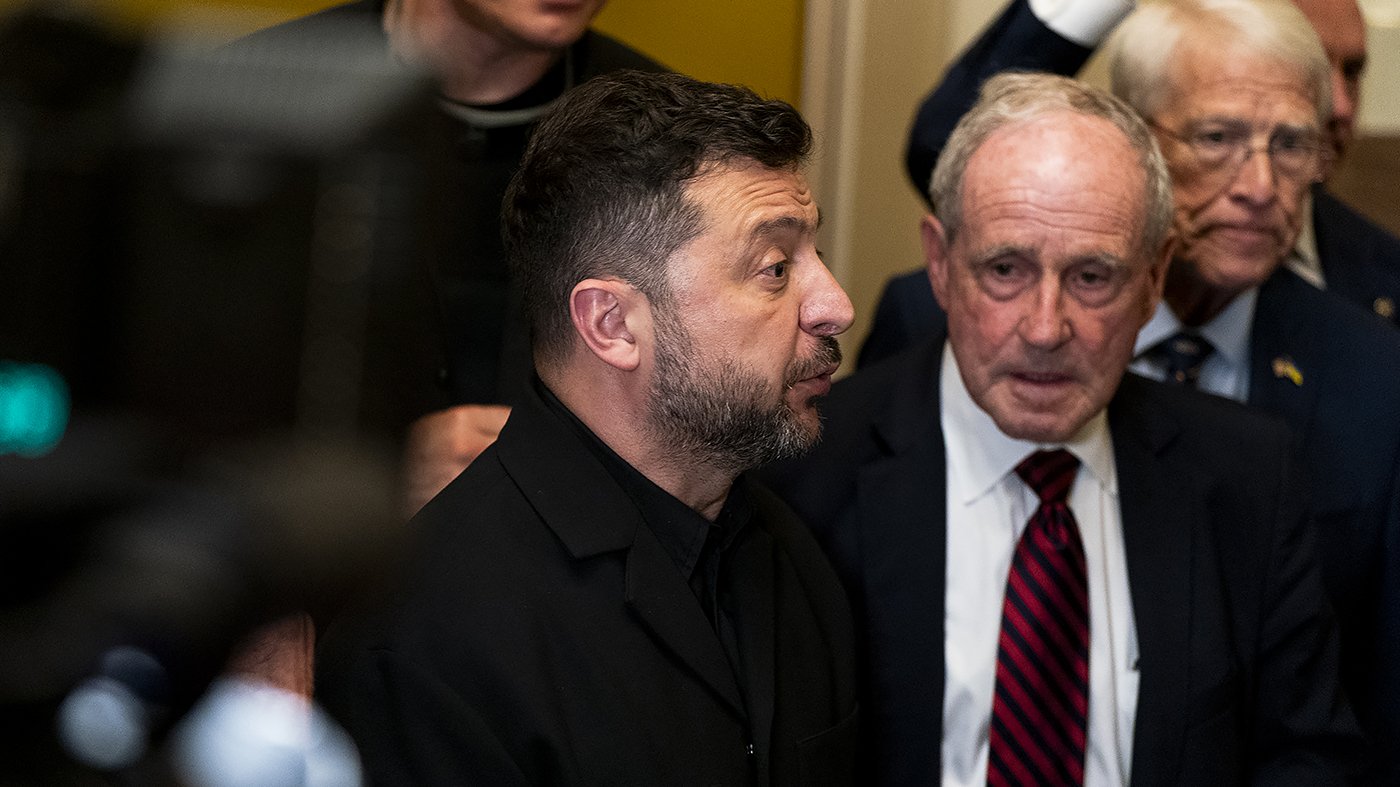
Ukrainian President Volodymyr Zelensky did not raise evidence of Russian support for Iran's strikes against American troops during his meeting with President Trump earlier this week, Ukraine's envoy to Washington confirmed Thursday.
Ambassador Olga Stefanishyna told reporters at a Christian Science Monitor breakfast that the intelligence was communicated through separate channels, not in the Oval Office. The topic simply didn't come up amid a packed agenda, she explained.
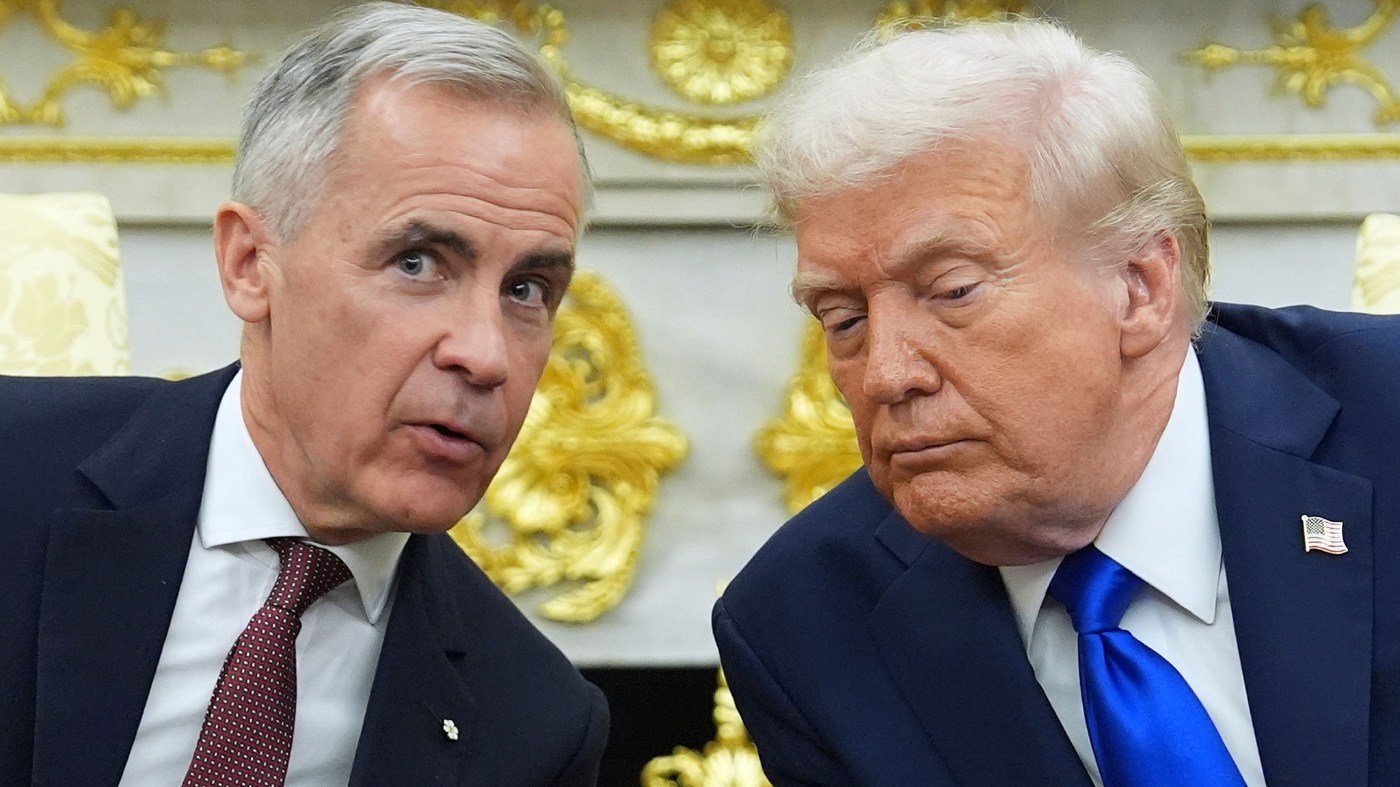
“This issue didn't come up, but not because somebody didn't want to raise it, but the meeting was filled with other topics,” Stefanishyna said. “But this information was provided through other channels.”
Trump has downplayed Russia's role in aiding Iran throughout the five-month conflict, previously calling Russian President Vladimir Putin “neutral.” Before his trip to Washington for Senator Lindsey Graham's memorial service, Zelensky said he instructed his intelligence services to share with allies details on how Moscow is providing satellite data to Tehran for targeting US bases in Bahrain, Jordan, and Kuwait.
Eighteen American service members have died since the war began. A July 17 attack on a base in Jordan killed three US troops.
When pressed on Zelensky's claims of Russian collaboration with Iran, Trump told reporters Monday, “It hasn't had much impact. We'll find out if that's true. I'll ask Putin about it.” Speaking aboard Air Force One, he added, “We've knocked the hell out of them.”
Stefanishyna stressed that Kyiv does not seek to link its own war with Russia to the broader US-Israel conflict with Iran. “There's no policy line or any intention to make this process interconnected,” she said. “We are in a position where we defend ourselves against aggression, this is the only intention we have.”
The envoy also noted a shift in Trump's posture toward Ukraine. The president has endorsed long-range strikes into Russian territory as a way to pressure Putin into negotiations, and has authorized top envoys Steve Witkoff and Jared Kushner to travel to Kyiv. While the trip is unconfirmed, Stefanishyna described bilateral relations as “pretty well on track,” a marked reversal from the disastrous Oval Office meeting in February 2025.
The proposed Witkoff and Kushner visit, followed by a stop in Moscow, aims to revive ceasefire talks. It comes as Ukraine braces for winter without adequate air defenses to counter Russian ballistic missile strikes targeting both civilians and energy infrastructure.
Kyiv is moving forward on a deal with Lockheed Martin to produce Patriot interceptors, but Stefanishyna said that process could take 12 months to five years. There was no “hard commitment” for emergency US supplies due to domestic shortages, though creative solutions are under discussion—including a swap mechanism with other countries holding Patriot missile contracts.
On the legislative front, Stefanishyna highlighted the Russia and Iran sanctions bill, named after the late Senator Graham, which passed the Senate Tuesday. If enacted and enforced within two to three months, she said, “it will have a devastating effect on Russia” by targeting the top five buyers of Russian energy, mainly China and India.
Trump's addition of tariff authorities related to Iran could delay final passage, as some Democrats oppose giving the president new tariff powers despite their support for Ukraine. “For us it's really important that this is a bill which has a strong bipartisan backup, and you know very well that the tariffs are a partisan issue at this point,” Stefanishyna said, urging lawmakers not to lose sight of the law's core purpose.

