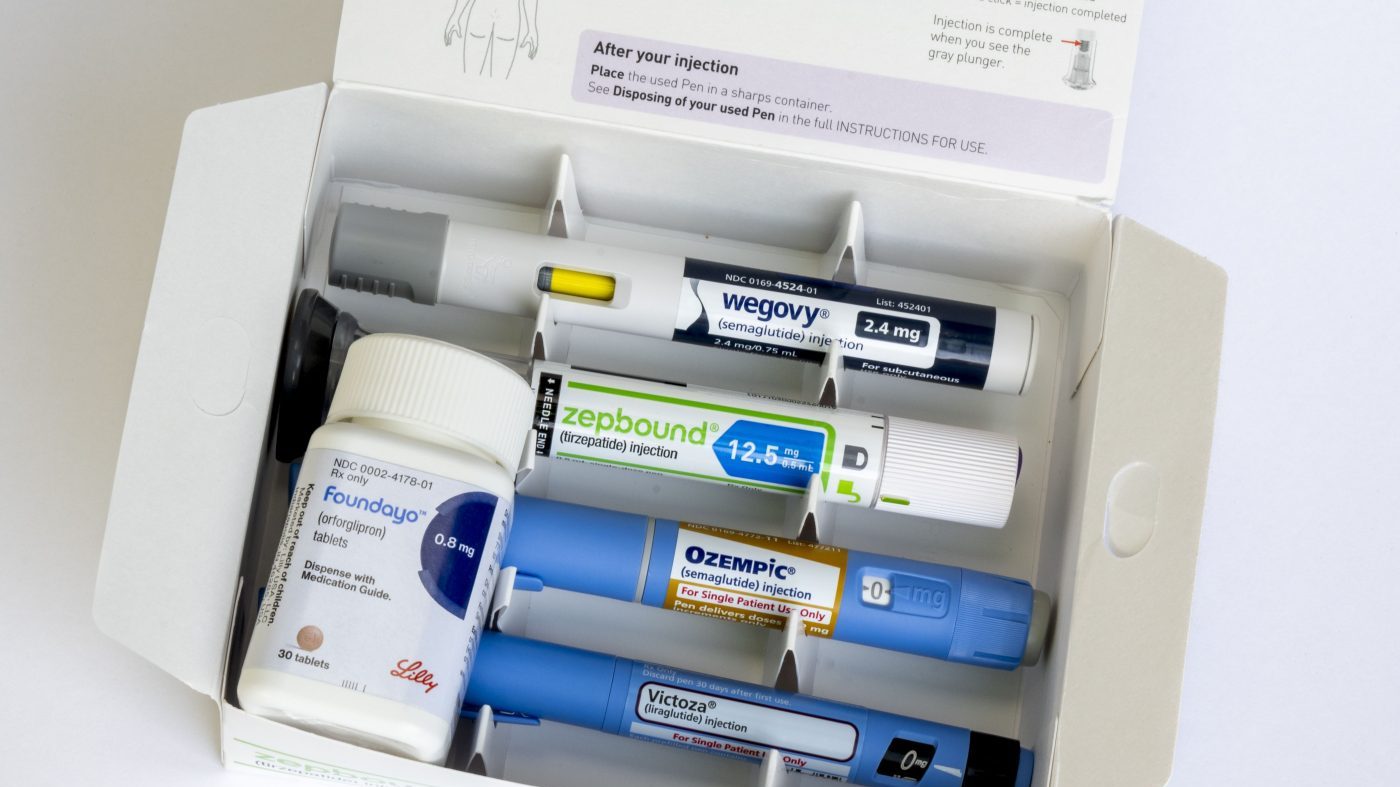
A sweeping new analysis of GLP-1 receptor agonists suggests these blockbuster drugs are not one-size-fits-all, and that tailoring prescriptions to individual patient goals could yield better results. The study, published in Diabetes, Obesity, and Metabolism, looked at data from more than 13,000 overweight participants in clinical trials and found significant differences in how various formulations and dosages affect cardiometabolic health.
Researchers from the University of Pennsylvania's Perelman School of Medicine, Yale School of Medicine, and UT Southwestern Medical Center developed a new metric called the Cardiometabolic Efficacy Index (CEI) to compare the drugs' performance across seven key factors: body weight, waist circumference, blood sugar (HbA1c), systolic blood pressure, triglycerides, HDL cholesterol, and LDL cholesterol.

The findings, released Tuesday, show that higher doses generally produced greater improvements. Semaglutide injected at 7.2 mg achieved the highest overall CEI score, outperforming 36 mg of orforglipron and the standard 2.4 mg semaglutide injection. All of the studied drugs delivered placebo-adjusted weight reductions of at least 10% of participants' body weight on average.
But the devil is in the details. Orforglipron, an oral medication, showed the strongest effects on blood sugar control, HDL cholesterol, and systolic blood pressure. Semaglutide, meanwhile, had the greatest impact on LDL cholesterol, total body weight, and waist circumference.
“We hope that clinicians are encouraged by this study to take a more comprehensive and individual approach to treatment selection,” said senior author Yong Chen, PhD, a professor of Biostatistics at Penn, in a press release. “For patients, the key message is that there may not be a single ‘best’ GLP-1 therapy for everyone, and it all could really depend on what their individual goals and needs are.”
The study comes as GLP-1 drugs are already reshaping obesity care, and as new data show their broader economic impact, including a 17% reduction in long-term sick leave. But the FDA has also warned against unapproved compounded versions as telehealth sales surge, underscoring the need for careful prescribing.
The findings also arrive amid a political backdrop in which drug pricing and access are hot-button issues. The Biden administration's inflation reduction act has allowed Medicare to negotiate prices on some drugs, and GLP-1s are expected to be a target. Meanwhile, former President Trump has proposed tariffs on generic drugs, which could affect the market.
Chen and his colleagues argue that the CEI framework could help clinicians and patients make more informed decisions. “This is not about declaring a single winner,” Chen said. “It's about matching the right drug to the right patient.”
The study's authors note that while the differences are statistically significant, individual responses can vary widely. They call for further research to identify biomarkers that could predict which patients will respond best to which drug.
For now, the message to doctors is clear: look beyond the scale. The CEI provides a more nuanced view of how these drugs affect the whole cardiometabolic system, and that could lead to better long-term outcomes.