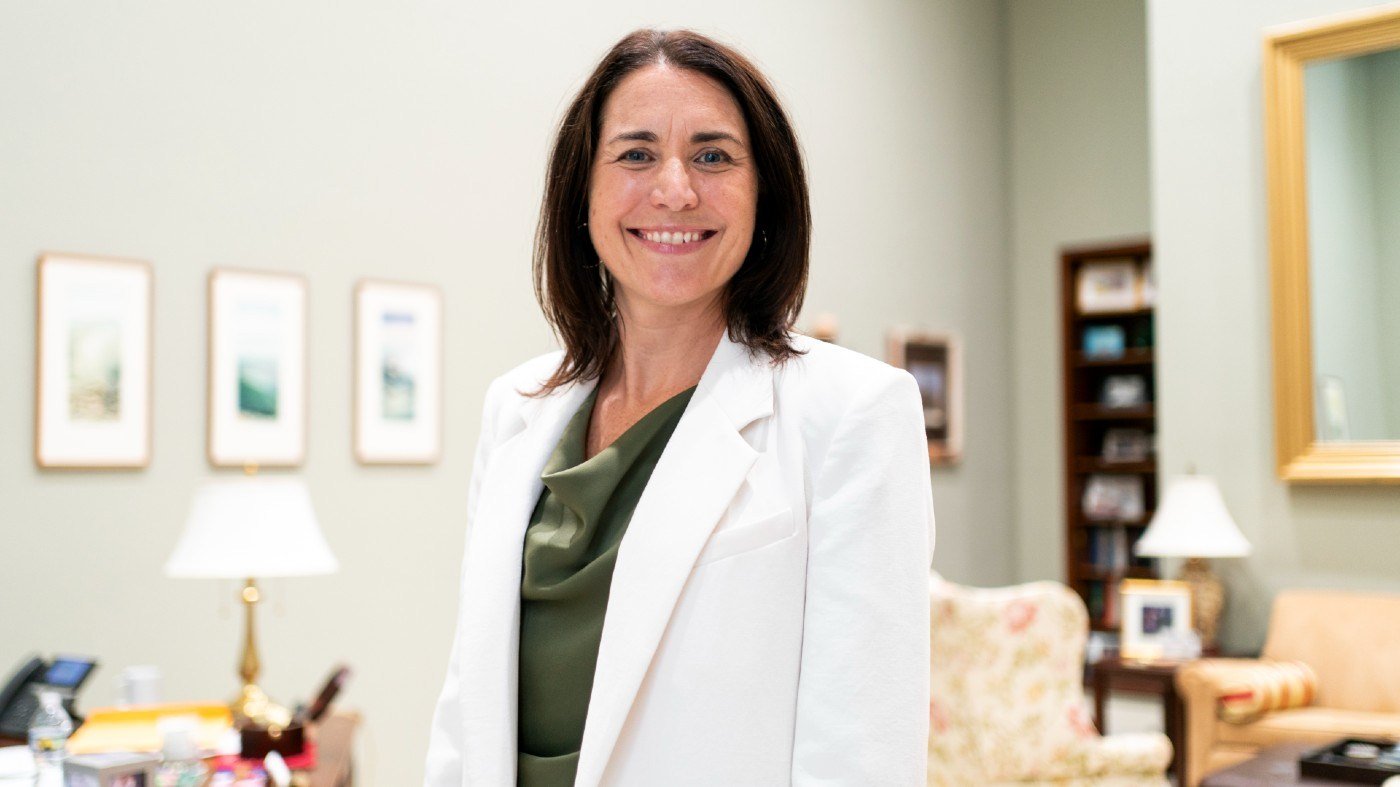
For most legislative staffers, drafting a bill that could withstand legal scrutiny takes weeks, sometimes months. But for Raphaël Schreiber, the legislative director for Rep. Thomas Massie (R-Ky.), the timeline for what would become the Epstein Files Transparency Act was measured in hours.
On July 15, 2025, Schreiber said he had a 'very brief' conversation with Massie about the idea of compelling the Department of Justice to release its investigative materials on Jeffrey Epstein. Then came the directive that turned his day upside down: 'You have until the end of the day to get it done.'

Schreiber described that day as the most stressful of his congressional career. He scrambled to draft the legislation, consult with lawyers to ensure it could survive a court challenge, and coordinate with House parliamentarians on procedure. By evening, the bill was filed, along with a discharge petition designed to force a floor vote. Staff from Rep. Ro Khanna's (D-Calif.) office also lent a hand, a rare bipartisan collaboration that underscored the bill's cross-aisle appeal.
The resulting legislation became one of the most politically explosive measures of President Trump's second term. The White House lobbied intensely against it for months. While roughly a dozen Republicans initially co-sponsored the resolution to tee up the bill, only three GOP lawmakers—Reps. Nancy Mace (S.C.), Lauren Boebert (Colo.), and then-Rep. Marjorie Taylor Greene (Ga.)—signed the discharge petition. Their defiance put them at odds with Speaker Mike Johnson (R-La.), who publicly criticized the bill's drafting, claiming it did not adequately shield Epstein's victims from further trauma.
Schreiber took that criticism personally. 'It's something when the third-most powerful person in the country is commenting on your work directly,' he said. 'I had a heart attack the first time I heard it—thinking, ‘Crap, did I mess up something?’'
He pushed back on Johnson's assessment, noting that victim advocates had reviewed the language and that three federal judges—two in the Southern District of New York and one in the Southern District of Florida—had affirmed its clarity. 'Obviously, when you read the language, there was more than ample language for the protection of the victims,' Schreiber said.
Ultimately, the pressure proved too much for the White House. With a floor vote looming and the three Republican women unmoved, Trump reversed course and threw his support behind the bill, signing it into law. The episode highlighted the unpredictable dynamics of a narrowly divided Congress and the outsized influence that a handful of lawmakers can wield.
Schreiber's advice to other Hill staffers reflects the lessons of that chaotic day: don't wait for an assignment to start learning. 'If you have time on your hands, study something new and apply it,' he said. That proactive approach, he suggested, is what allowed him to turn a politically fraught idea into law in a single afternoon.
The Epstein Files Transparency Act is now a cornerstone of the ongoing congressional scrutiny into Epstein's network. For more on how House Democrats are shaping their investigative strategy, see this look at the new deputy director. And for Massie's broader legislative agenda, including his push on license plate surveillance, his positions continue to stir debate.