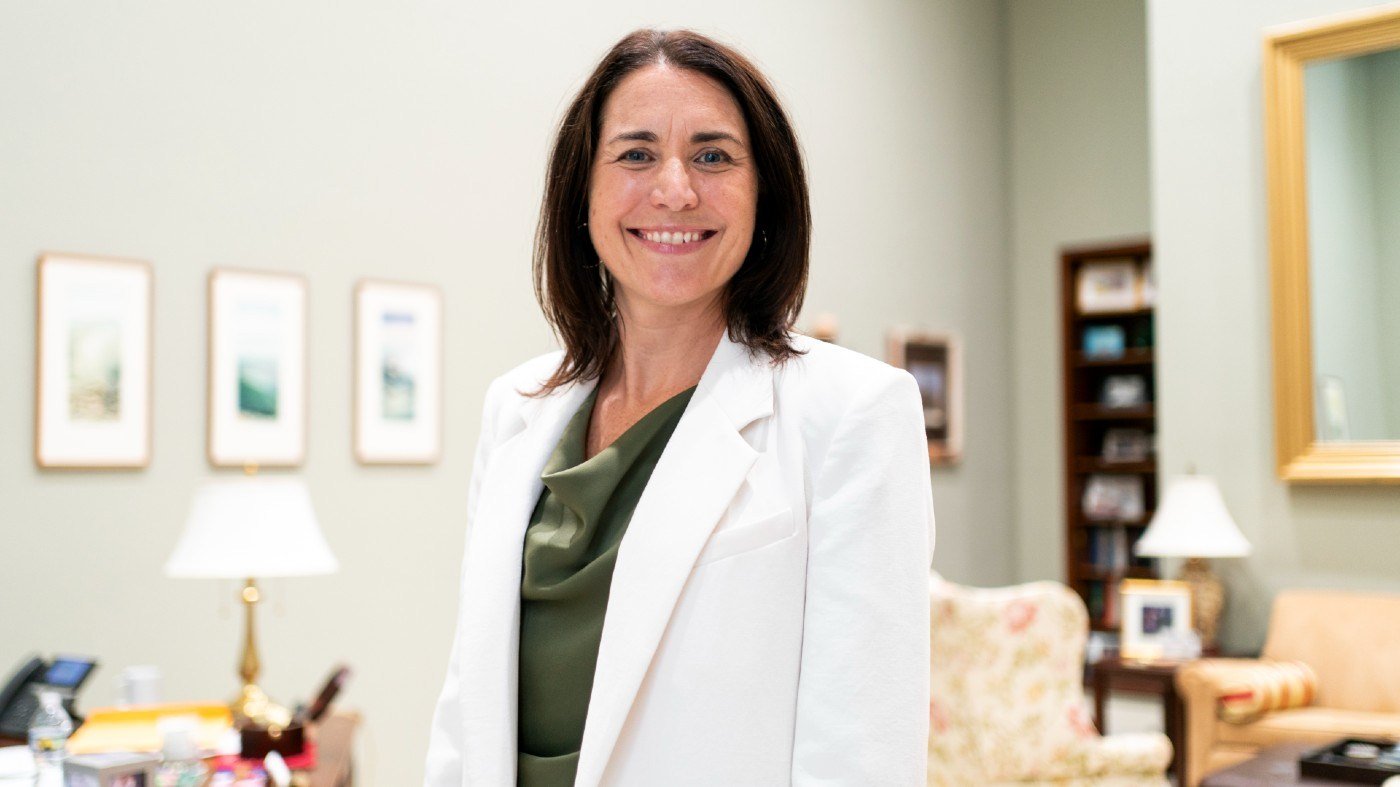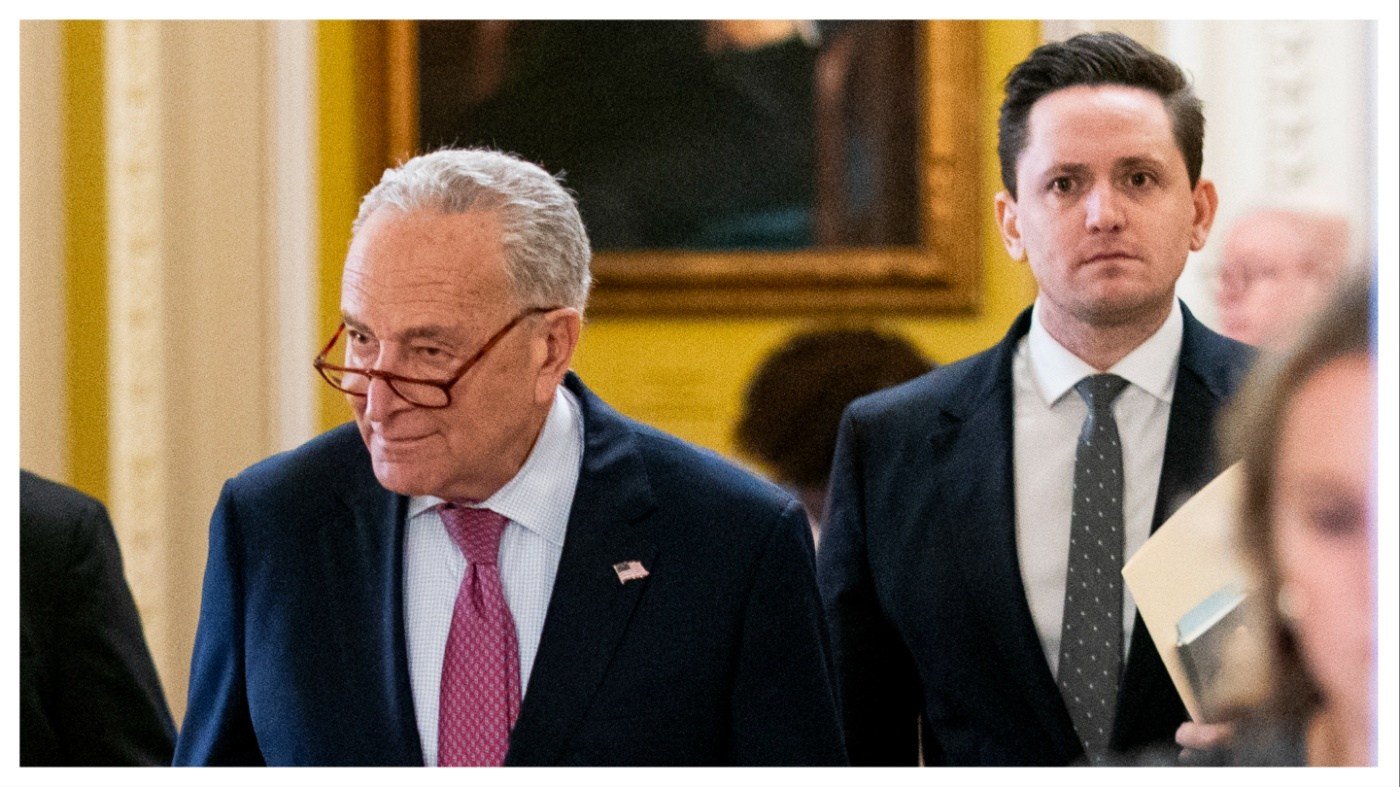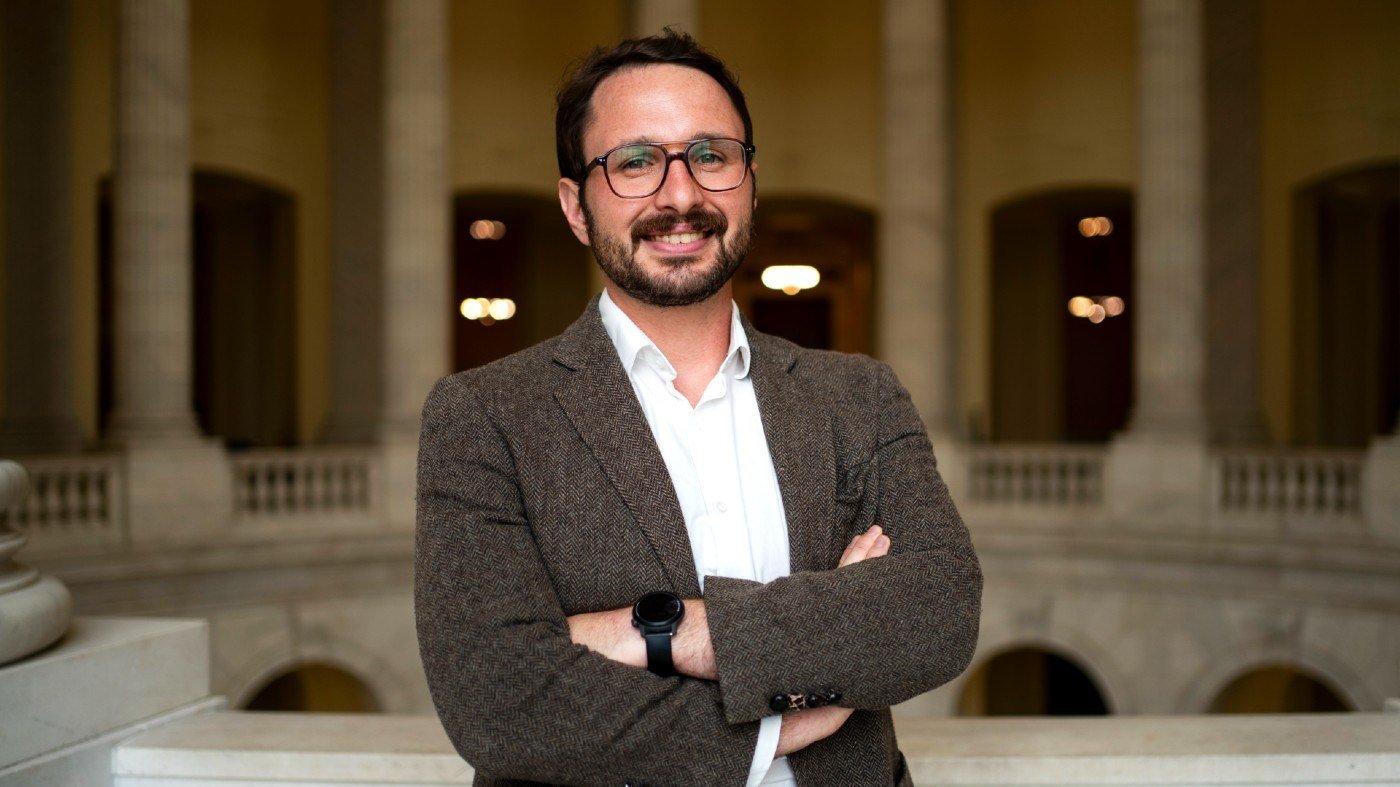
When Rep. Robert Garcia (D-Calif.) moved from his personal office to the House Oversight and Government Reform Committee, he brought Andrew Bower along as deputy staff director. The move signaled a shift for Democrats on the panel, embracing a new generation of investigators and a more modern, public-facing strategy.
Bower, 33, has quickly become a central figure in the committee's work, particularly on the high-profile investigation into the late financier Jeffrey Epstein. He told The Hill that the Epstein probe has "really defined the committee's arc and vision," noting the intense pressure from survivor communities and the American public to pursue it thoroughly.
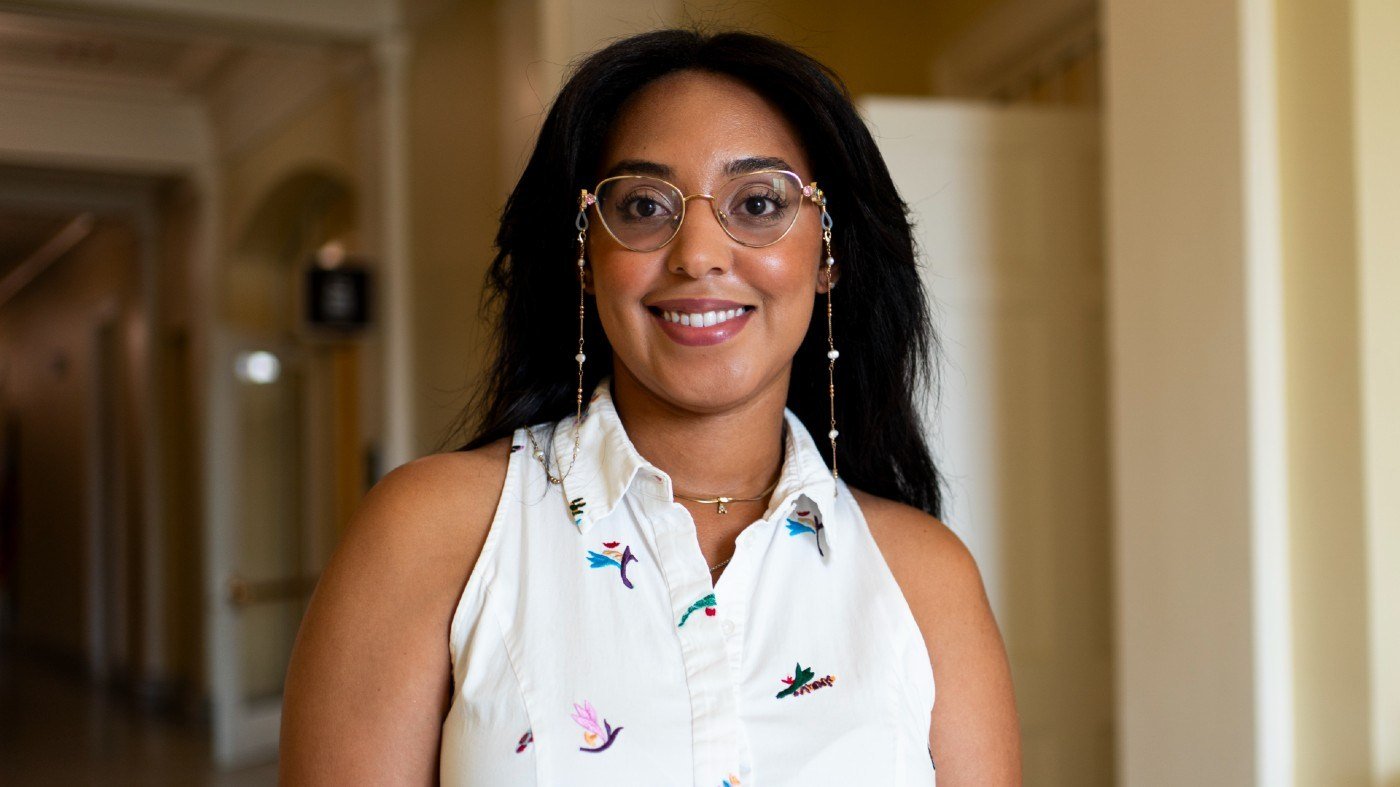
"There's so much pressure from the survivor communities to whom we owe so much, and from the American people who are watching all of this, that it's owed an enormous amount of time and resources, and it deserves it," Bower said.
However, he acknowledged the risks of such a sweeping investigation, especially one that could involve deposing former presidents and Cabinet members. "Any investigation where we're going to be deposing former presidents and Cabinet secretaries … has the risk of blocking out the sun," he said, referring to the potential for the probe to overshadow other committee work.
Under Bower's influence, the committee has been rethinking its goals in the Trump era, balancing its broad investigative mandate with what will resonate most with the public. Bower explained that sometimes this means uncovering new information, but other times it involves repackaging publicly available facts in a more digestible way.
"We can uncover a contract that shouldn't have been awarded, or a payment. … But in full view, [Trump's] made $2 billion off of crypto. It is a real balance," Bower said. He added that the guiding principle is that Americans have a right to know what their government is doing, and that the committee's job is to "uncover the facts that help them understand what that is."
Bower has also been credited with several of the committee's viral moments. Though his own TV preferences lean toward "The Simpsons" rather than reality shows, he knew Garcia was a fan of "The Real Housewives" franchise and wove a moment from its Salt Lake City series into a line of questioning, a move that resonated widely online.
He advises newer staffers to stay deeply engaged with Twitter, even if it's psychologically taxing. "Obviously Twitter is not real life, but lots of members think it's real life," Bower said, stressing the importance of understanding what lawmakers and the opposition are seeing.
That online engagement, he said, often drives the political dynamics on the House floor, especially in a narrow minority where very online members can wield significant power. As Democrats look ahead, Bower's approach to blending traditional oversight with digital-era communication could shape how the party handles investigations and messaging. For more on how Democrats are positioning themselves for the next Congress, see potential impeachment considerations and AI oversight priorities.