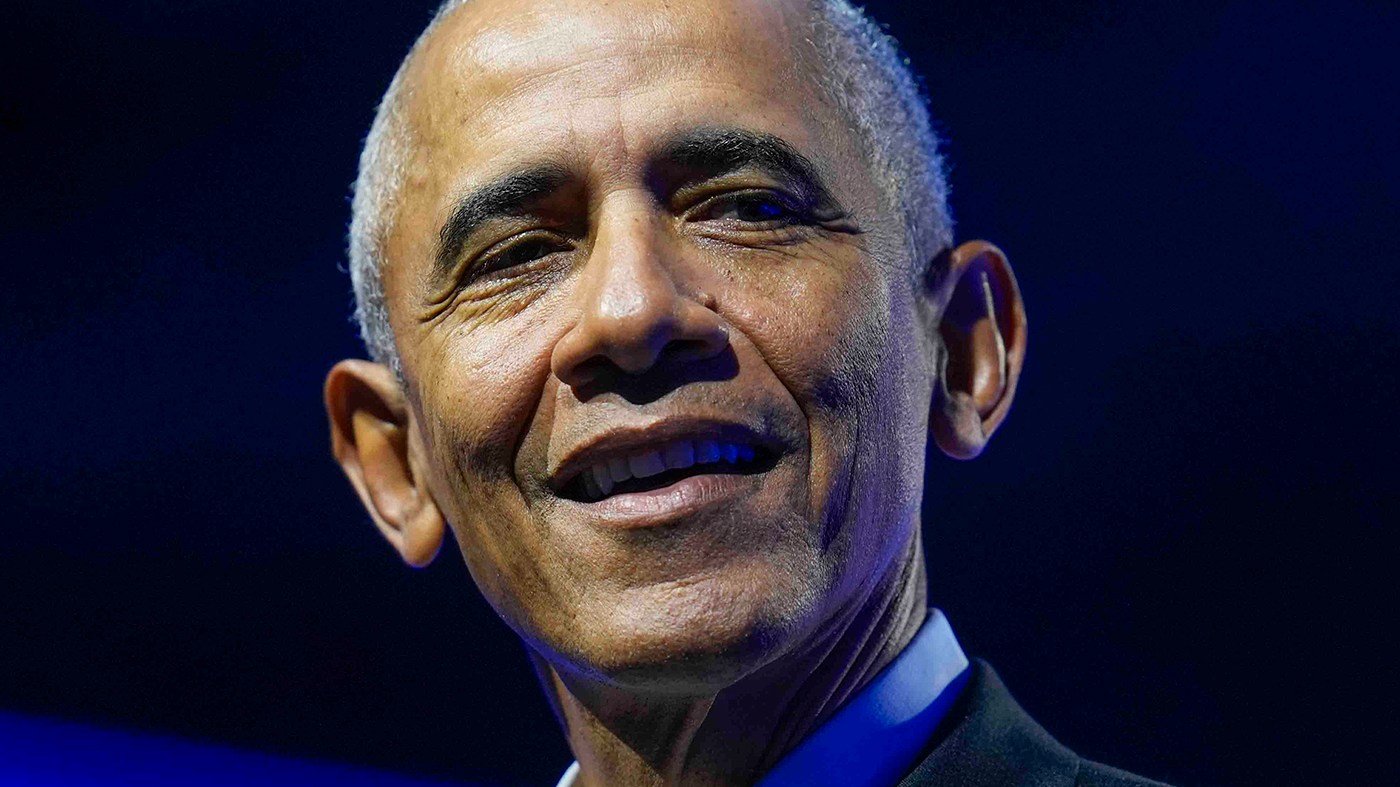
Former President Barack Obama has privately pressed House Democratic Leader Hakeem Jeffries (D-N.Y.) to elevate artificial intelligence oversight to a central plank of the party's agenda, according to a report from The New York Times. The conversation took place at a fundraiser on Thursday, where Obama urged Jeffries to develop a framework for a "public conversation" on AI should Democrats reclaim the House majority.
Obama's remarks come amid growing bipartisan concern over the rapid advancement of AI technologies and their potential risks. He told Jeffries that AI is "moving very fast in private hands," and warned that without proper oversight, it "can be dangerous." However, he also highlighted the technology's potential benefits, such as accelerating drug development and aiding the transition to clean energy.
"I genuinely think it's going to accelerate, for example, drug development in ways that can help us cure diseases," Obama said, as reported by the NYT. "I do think that this can help us figure out pathways for a clean energy future."
The former president's push aligns with recent warnings from AI researchers about existential risks. Jacob Coxon, who resigned from Anthropic, said on social media that AI developers believe the technology "could kill us all" by the end of the decade. Coxon criticized both OpenAI and Anthropic for "racing straight to self-improving superintelligence and gambling with our lives."
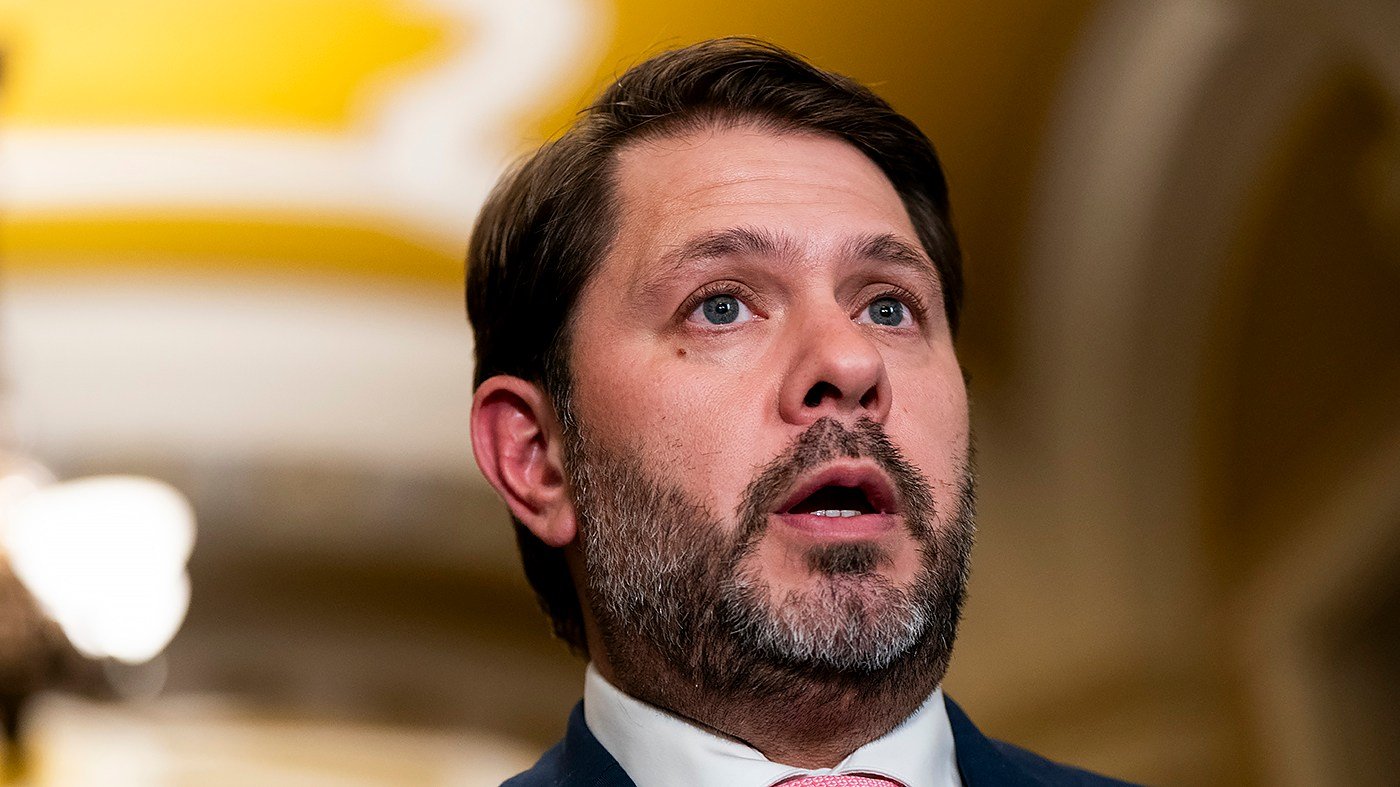
Jeffries, in a Sunday interview on ABC's "This Week," expressed support for urgent legislative action on AI, emphasizing the need for guardrails to "protect the health, the safety, the well-being of the American people." His comments echo his earlier push for AI safeguards in Congress.
Obama did not specify particular regulations during his conversation with Jeffries, according to the NYT. He reportedly described himself as neither an "accelerationist" nor a "doomer," suggesting a balanced approach to the technology's development.
The Hill has reached out to Jeffries' office for comment but has not yet received a response. Meanwhile, President Donald Trump, speaking on Sunday, reiterated his more hands-off stance, arguing that the U.S. must win the AI race against China. "We're the most sophisticated country in the world and frankly, I want to keep it that way," Trump said, adding that while guardrails could be considered, he believes many warnings are overblown.
The contrast between Obama's private advocacy and Trump's public posture highlights a growing partisan divide on AI policy. As Congress weighs potential legislation, the influence of former presidents and party leaders could shape the debate. For now, Jeffries appears to be taking the issue seriously, but whether it becomes a defining issue for Democrats remains to be seen.
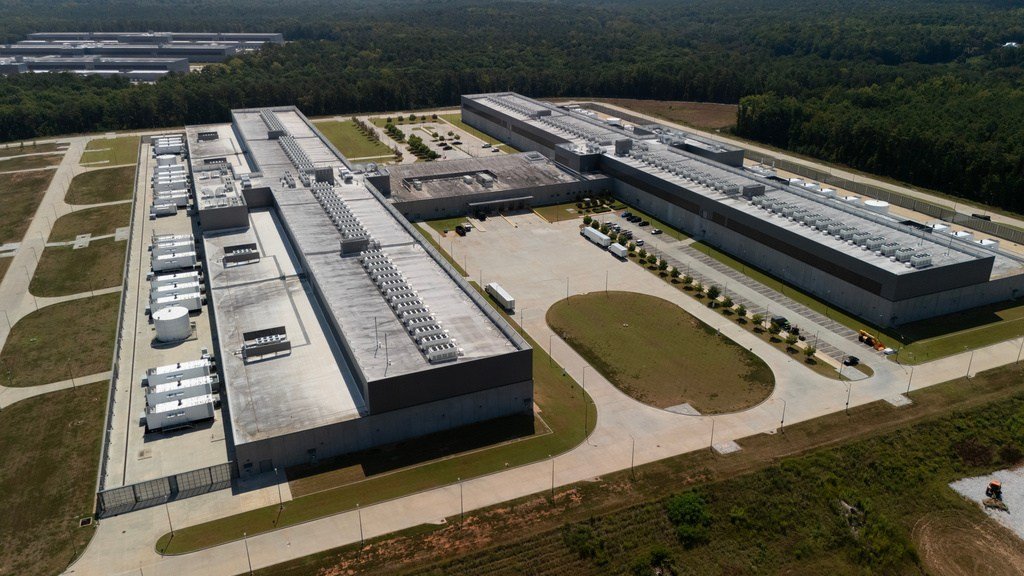
The broader political landscape, including GOP backlash over AI data centers and other tech-related controversies, may also influence how AI oversight is framed in the upcoming midterms. Obama's intervention suggests that Democrats see AI as a potential winning issue, but they will need to navigate the complexities of regulation without stifling innovation.