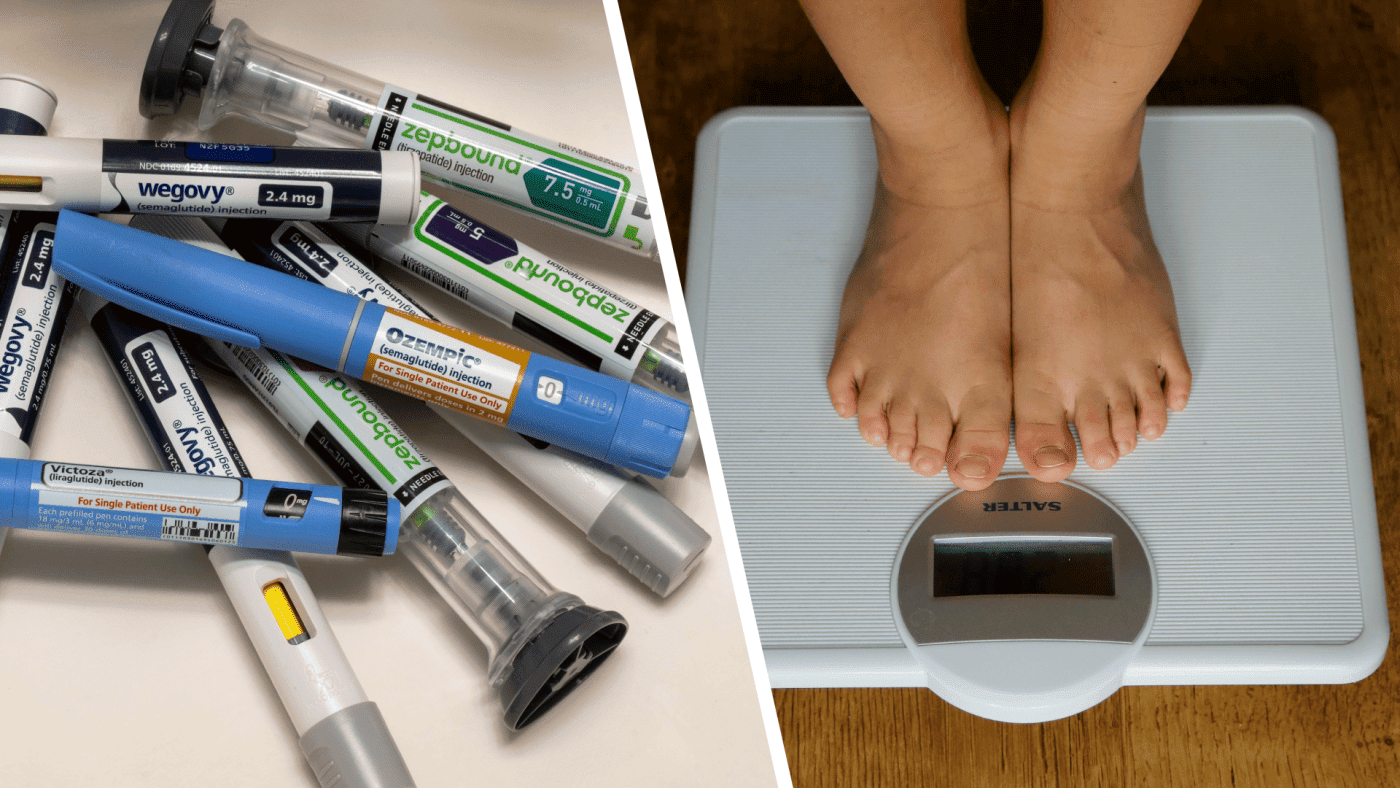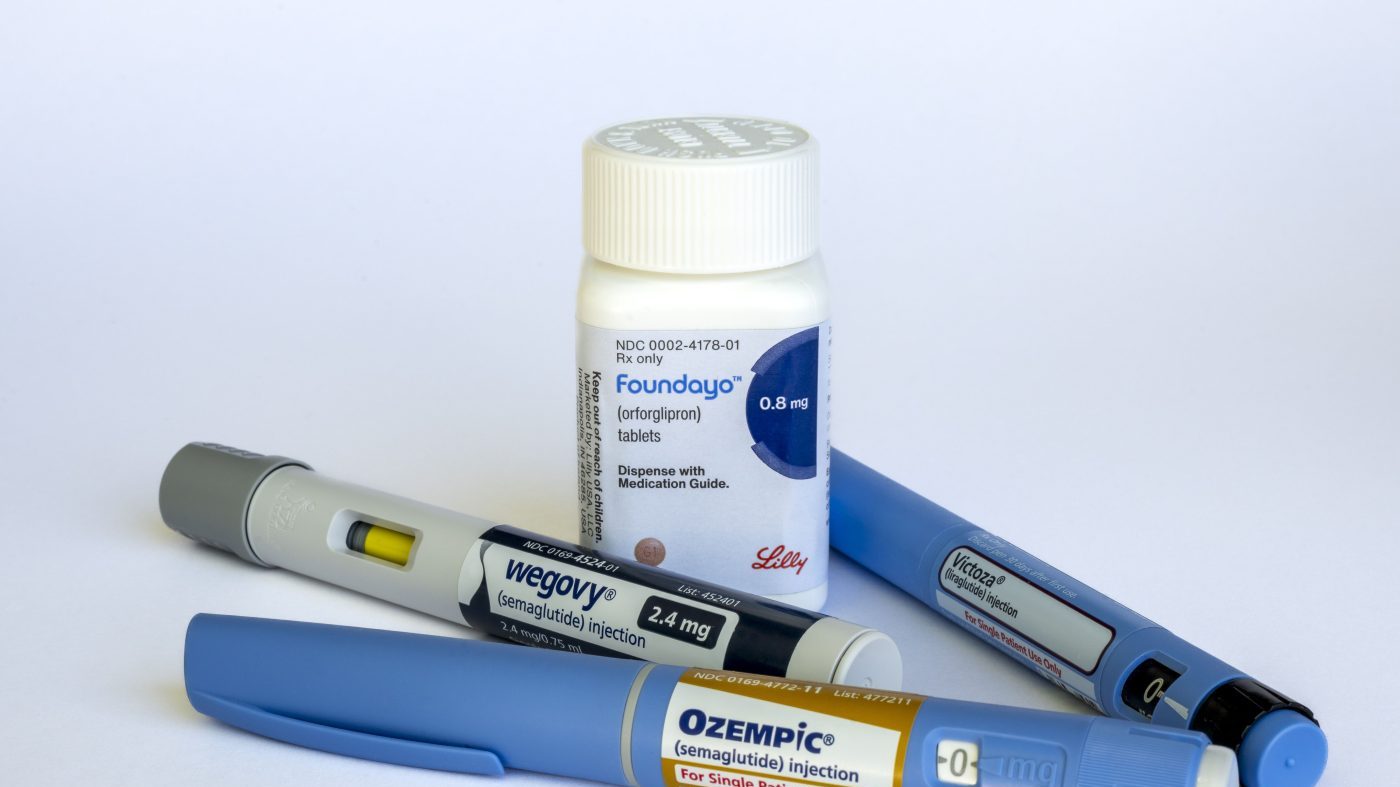
A new economic study suggests that the rising use of GLP-1 weight loss drugs could deliver significant economic benefits by cutting long-term sick leave. Researchers found that employees taking medications like Ozempic and Wegovy took 17% fewer extended absences from work.
The study, published by the National Bureau of Economic Research, drew on Danish health and employment records to examine the link between GLP-1 prescriptions and sick leave patterns. It defined long-term absences as those lasting more than 30 days due to illness.

“The reduction in long-term sickness leave is consistent with improvements in underlying cardiometabolic health,” the study’s authors noted. The finding adds to a growing body of evidence that these drugs, originally developed for diabetes, have broader health benefits. Ongoing research has linked them to lower risks of cardiovascular disease and certain cancers.
The economic impact is notable: the reduced sick time translated to savings equal to up to 1.5% of a worker’s salary. That figure could have major implications for employers and public budgets, especially in countries with generous sick leave policies. In Denmark, employers must pay full salary for the first 30 days of illness, after which the government takes over long-term leave coverage.
While the study is based on Danish data, its findings may resonate in the U.S., where GLP-1 drugs have surged in popularity for weight loss. Earlier this year, Medicare announced plans to offer GLP-1 weight loss drugs for $50 monthly starting in 2026, a move that could dramatically expand access. The drugs’ potential to reduce sick leave could also factor into debates over healthcare costs and productivity.
The research comes amid broader policy discussions about workforce participation and health. A separate study recently highlighted how childhood expectations drive men's exodus from the workforce, underscoring the complex factors behind labor market trends. If GLP-1s can improve health and reduce absenteeism, they may offer a partial remedy for some of these challenges.
Critics caution that the drugs’ high list prices—often over $1,000 per month without insurance—could limit their economic upside. However, the study’s authors argue that the savings from reduced sick leave and improved health outcomes could offset some of those costs over time.
As more research emerges, the debate over GLP-1s is likely to shift from purely medical considerations to broader economic and policy implications. The Danish study provides some of the first hard data on how these drugs affect workplace productivity, a factor that could influence employer-sponsored insurance coverage and public health strategies.