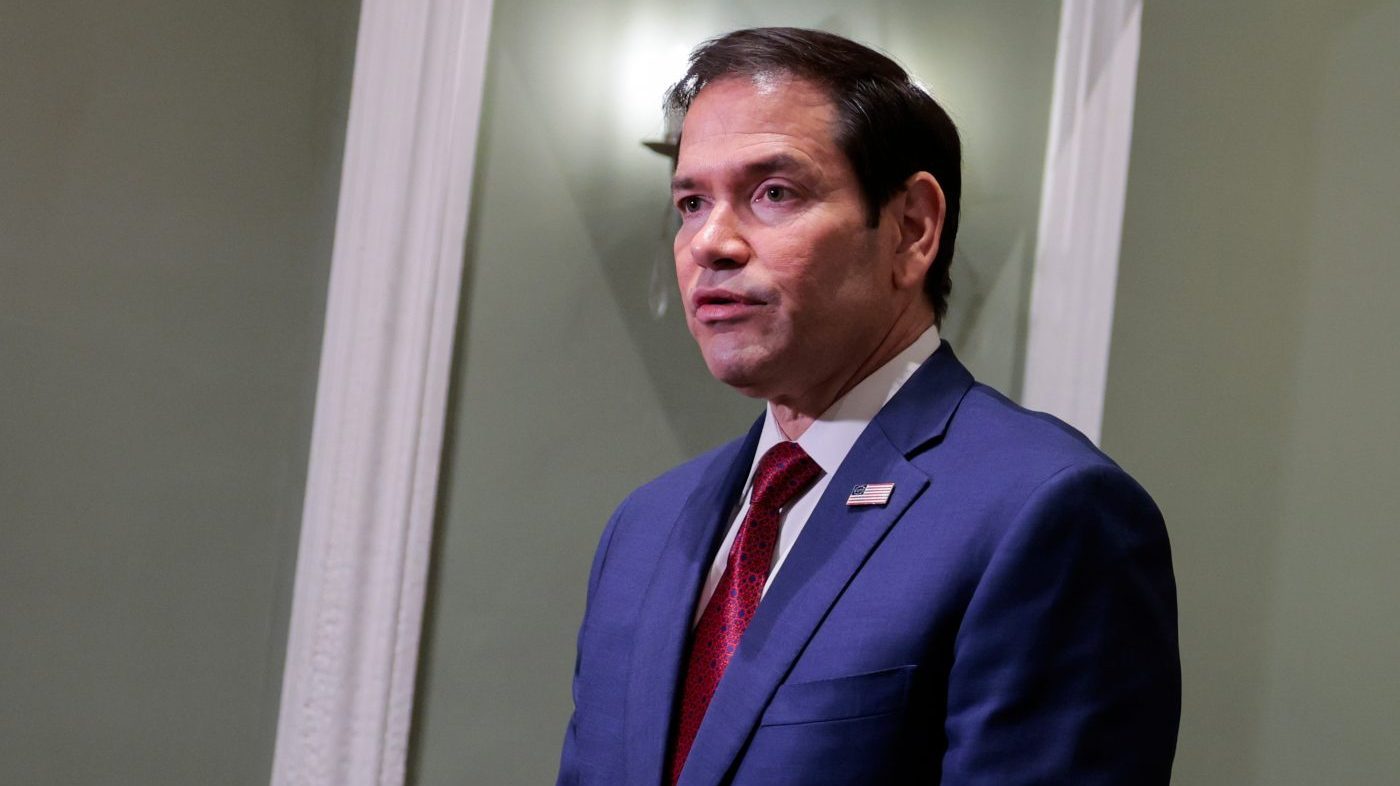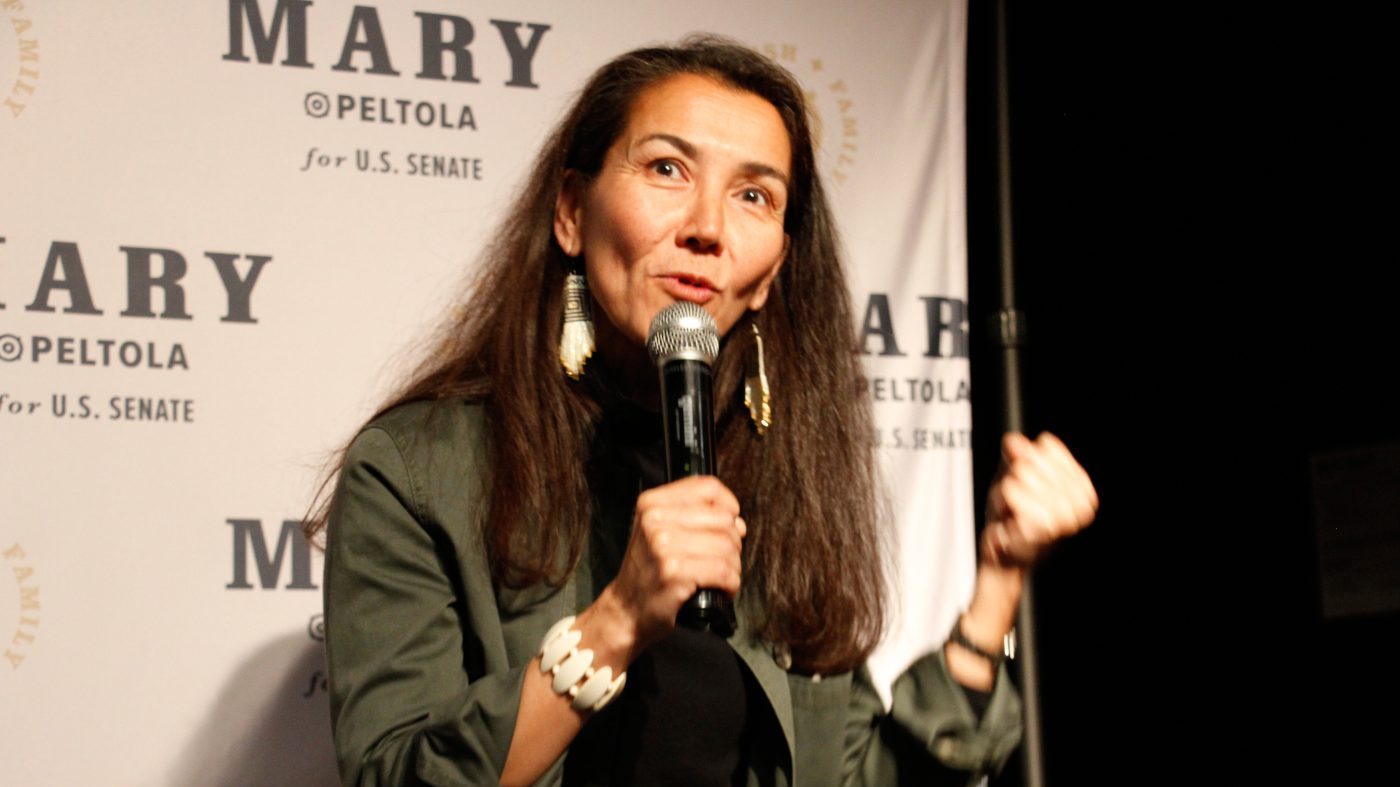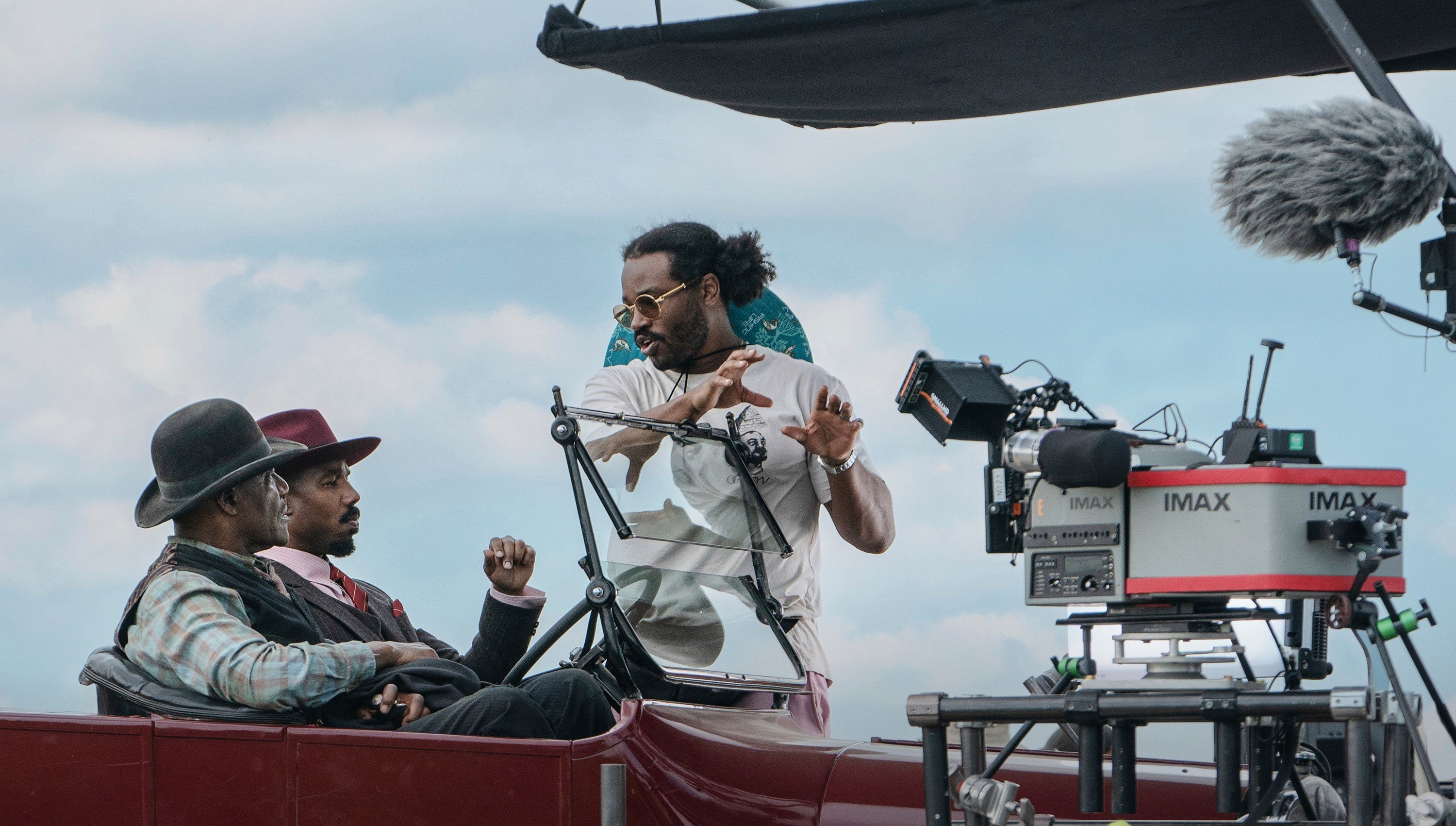
President Trump's latest push for a federal tax credit aimed at curbing the overseas flight of film and television production is gaining traction among Democrats, industry executives, and entertainment experts, presenting a potential rare area of bipartisan cooperation in Washington.
The proposal, which Trump floated last week following a meeting with actor Jon Voight, one of his "special ambassadors" to Hollywood, and later discussed with former Los Angeles mayoral candidate Spencer Pratt, would provide a 25 percent credit for productions shot in the United States. Trump argued that the industry's exodus is "hurting California very badly" and urged lawmakers from both parties to "get together, and immediately craft Legislation."
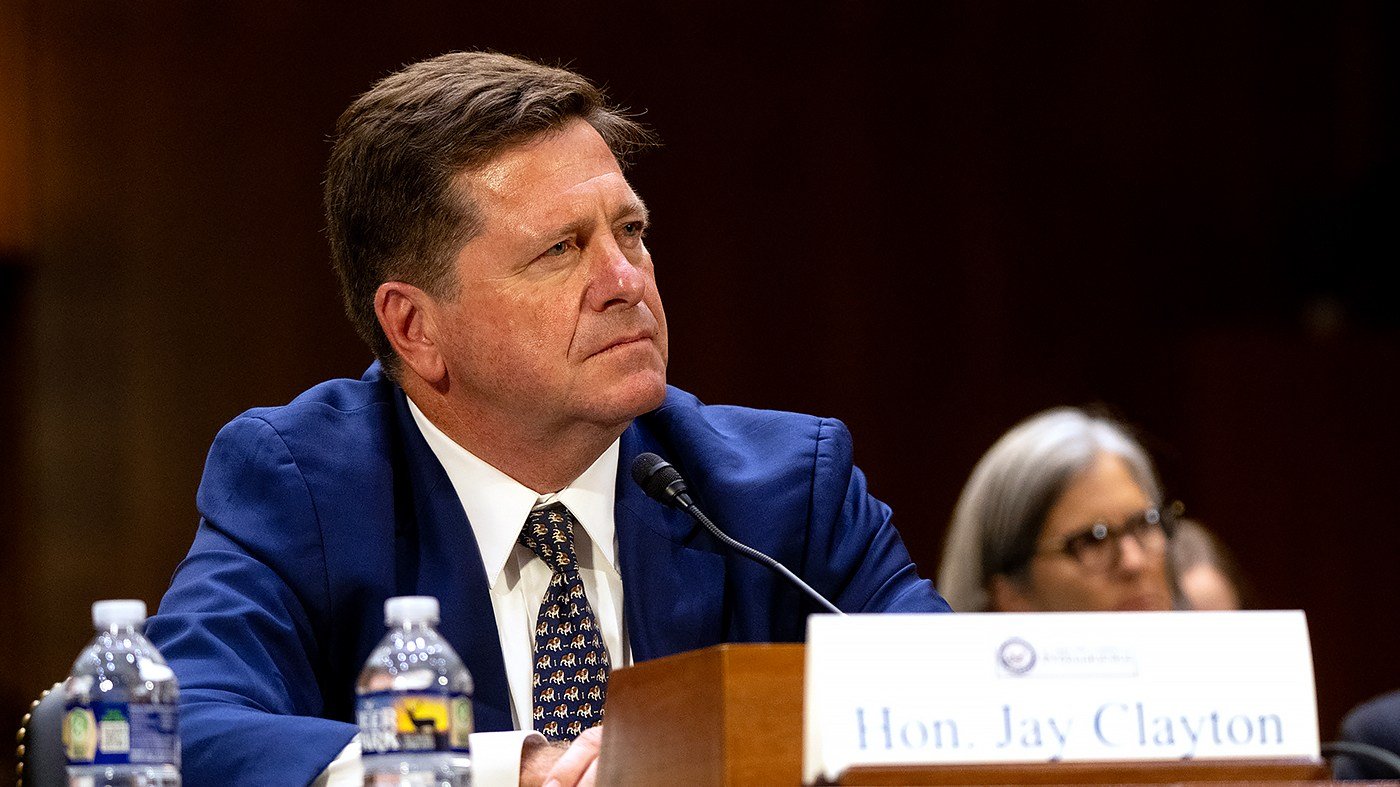
Industry insiders and analysts note that the impact extends far beyond Hollywood, with all 50 states standing to benefit from increased domestic production. Tom Nunan, co-director of the producers' program at UCLA's School of Theater, Film and Television, emphasized the scale, saying, "This is a multi-billion-dollar industry that literally affects the lives of hundreds of thousands of people. This is no longer a California industry or business — this is a 50-state business, and it can be something that we're very proud of as an export, as a piece of business."
The U.S. has been losing production to countries offering generous incentives, such as Canada, the UK, and Australia. While some states maintain their own tax breaks, there is no nationwide federal incentive. "This is one of the few global industries in which America remains the creative and commercial leader," noted Michael J. Wolf, CEO of Activate Consulting. "Other countries are using national policy to take production away from us."
Democrats have been quick to voice support. California Governor Gavin Newsom responded with an "Amen!" and added, "Let's make it happen." Senator Adam Schiff (D-Calif.) expressed "strong agreement," urging Congress to "immediately take up and pass a federal film tax incentive to bring back these good-paying jobs that we've lost to other countries. Let's work together — Republicans and Democrats — to get this done and bring the movie magic back to America." House Minority Leader Nancy Pelosi (D-Calif.) and Rep. Ilhan Omar (D-Minn.) also voiced backing, with Pelosi noting, "We've been promoting that for a long time. I'm glad he finally arrived at it," and Omar adding, "It could be a really cool thing [and] also bring us money to states that can use it."
The Motion Picture Association's CEO Charles Rivkin called the idea "a landmark step toward bringing more production to local communities in all 50 states, strengthening our nation's economy, and making our country a more competitive place to produce, create, and tell great stories." Senator Schiff previously shared data showing that 45 percent of U.S. films and scripted series were shot internationally last year.
This is not Trump's first foray into film industry policy. Last year, he announced a 100 percent tariff on foreign films, but it was never implemented, and the logistics of taxing a virtual product remained unclear. Governor Newsom had proposed a $7.5 billion federal film tax incentive, but the plan stalled.
Proponents argue the benefits would extend beyond major studios. David Offenberg, an entertainment finance professor at Loyola Marymount University, said, "It's not just the Hollywood studios that benefit. Every independent producer would also theoretically benefit from these tax incentives, whether those are faith-based producers like Angel Studios, or groups of film school graduates trying to put out a piece of art that's going to change the world, or a husband-and-wife team who just had a really cool story to tell." Paul Hardart, an entertainment industry professor at NYU, warned that allowing production to leave "kneecaps a business that is traditionally thought of as very American."
However, critics question the efficacy of such subsidies. The Washington Post editorial board argued that federal incentives would merely "replicate costly and ineffective local policies at scale," citing that states often fail to recoup their investments, with Georgia receiving only 19 cents for every dollar spent on credits. Yet supporters counter that the focus should be on job creation and economic activity that these incentives could preserve or generate across the country.
As the proposal gains momentum, it remains to be seen whether Congress will act, but the rare alignment of interests between the White House and leading Democrats suggests a potential for legislative movement on an issue that could reshape the entertainment industry's footprint in the U.S.