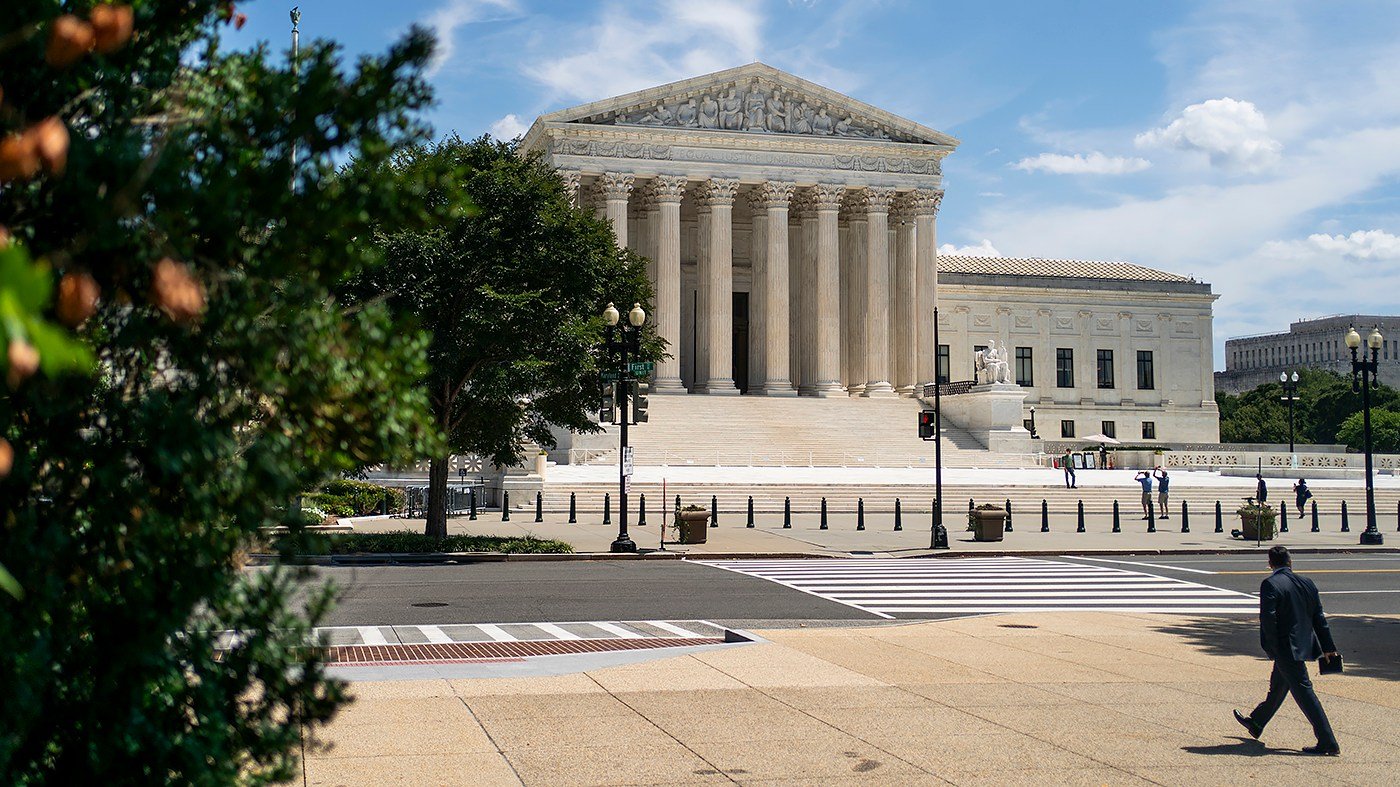
Supreme Court Justice Brett Kavanaugh on Tuesday declined to lift a lower court's block on Missouri's newly drawn congressional map, a decision that scuttles Republicans' hopes of gaining an additional seat in November. The ruling means the Show Me State will revert to its previous 6-2 GOP-leaning map for the general election, despite having used the controversial 7-1 configuration during its August primaries.
The emergency application, filed by Missouri Republican officials, sought to restore the map that had been invalidated by the state's highest court. That court ruled the map could not take effect because a coalition had successfully petitioned to put the redistricting plan to a statewide referendum in November. Kavanaugh's one-sentence order, issued without explanation, came just minutes before a statutory deadline to finalize the state's ballot.
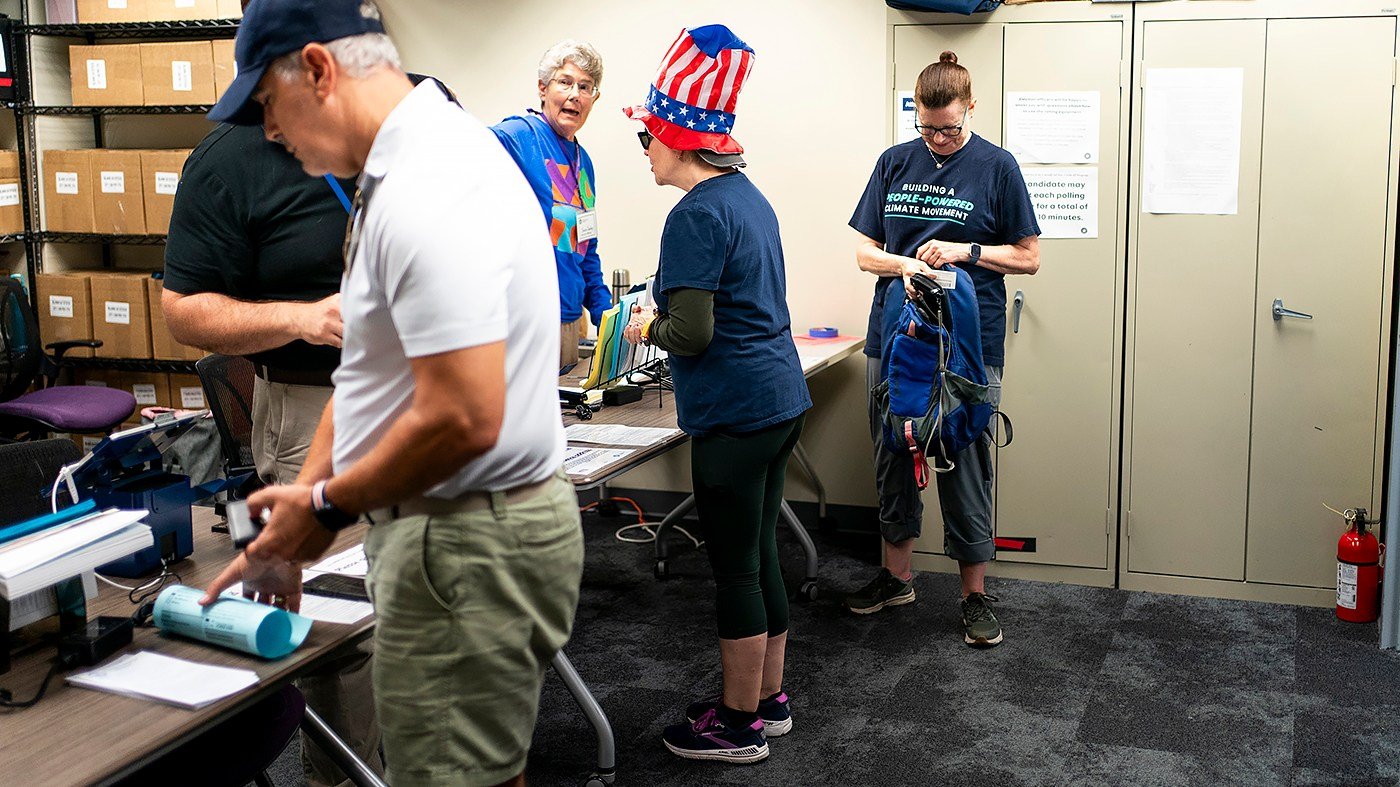
The dual use of maps has created confusion about which primary winners will actually appear on November ballots. With less than 60 days until the election, Missouri Republicans warned that the situation is injecting chaos into the state's electoral process. State officials are now scrambling to determine how to reconcile the primary results with the court-ordered map.
Kavanaugh, a Trump appointee who handles emergency matters from Missouri by default, denied the request. However, state Republicans could still petition another justice in a last-ditch effort, though such attempts are rarely successful.
This dispute is the latest flashpoint in a broader mid-decade redistricting battle that has reached the Supreme Court. Former President Trump and national Republicans have pushed GOP-led states to redraw their House maps ahead of the midterms, hoping to create pickup opportunities to offset potential losses in a challenging political climate.
Earlier this term, the Court reinstated a GOP-friendly map in Texas that had been struck down as a racial gerrymander, but declined to restore a map passed by Virginia Democrats. In both Virginia and Missouri, judges found the redistricting efforts violated procedural requirements in state constitutions, prompting lawmakers to argue that federal questions were at stake.
Missouri's case stems from a unanimous ruling by the state's Supreme Court, which held that the new map could not go into effect until voters had a chance to weigh in via referendum. The court determined that the coalition behind the referendum had met the legal threshold to place the measure on the ballot, effectively freezing the map unless voters approve it in November.
The decision is a setback for Republicans who had hoped to expand their majority in the House. The 7-1 map would have likely guaranteed the GOP a seventh seat, whereas the 6-2 map leaves the existing district lines intact. National party strategists have been closely watching the outcome, as similar fights play out in other states.
For now, Missouri's election officials must work to ensure that the November ballot reflects the correct district boundaries. The state court's referral of the map to voters means the ultimate fate of the redistricting plan remains uncertain, with the referendum scheduled for the same day as the midterms.