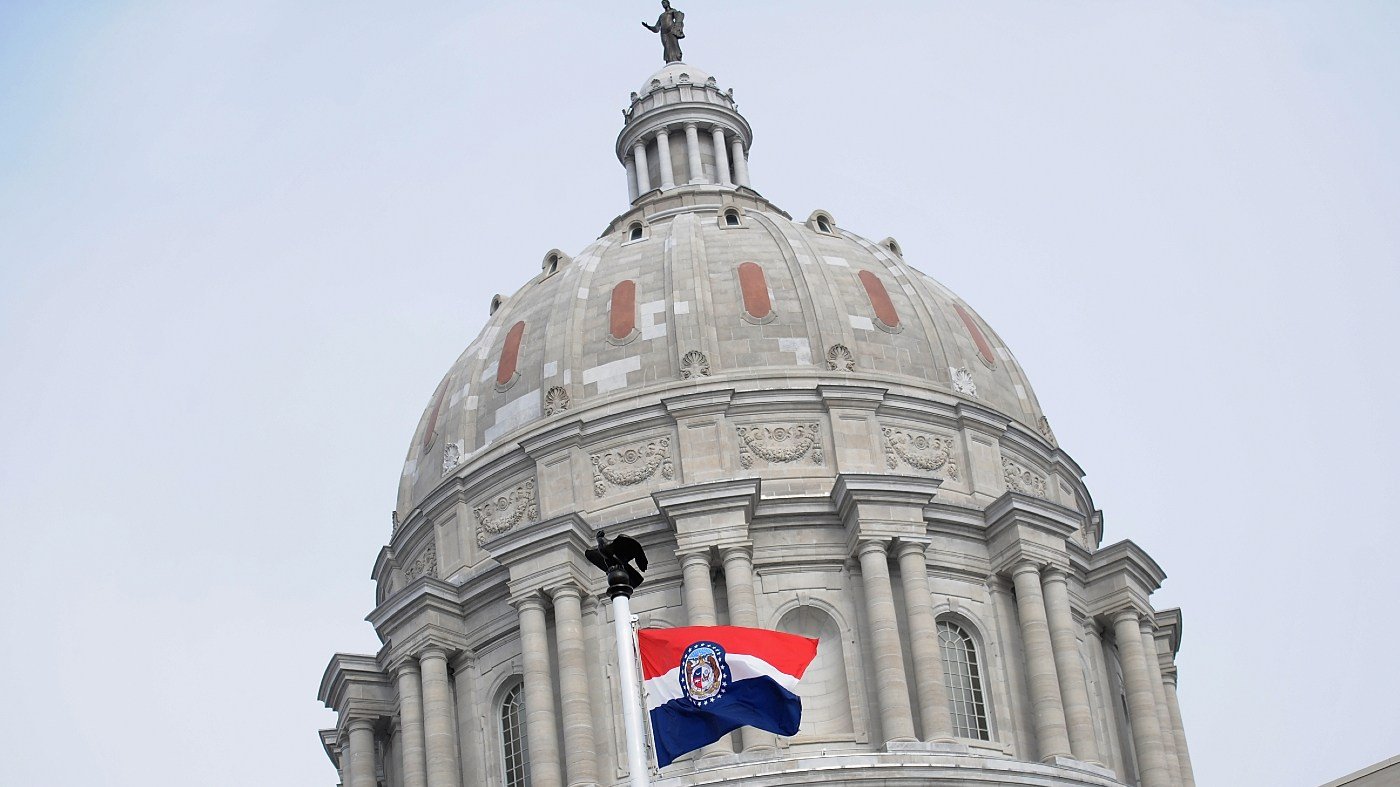
In a surprise move that upends Missouri's election preparations, the state Supreme Court ruled this week that the Republican-drawn congressional map cannot be used in November. The unanimous 7-0 decision sends the new 7-1 map to a statewide referendum, meaning the state will instead hold its general election using the existing 6-2 map that has been in place since 2022.
The ruling, issued by a court where five of seven justices were appointed by Republican governors, dealt a blow to GOP efforts to gain an extra seat in the U.S. House. It also creates immediate logistical challenges for candidates who already won primaries under the now-invalidated lines.
Court Rejects Secretary of State's Arguments
Secretary of State Denny Hoskins (R) had blocked the referendum petition from People Not Politicians, arguing that the state constitution does not allow voter referendums on legislatively passed redistricting plans. But the Supreme Court dismissed those objections, writing that the petition was legal, sufficient, and timely. As a result, the new map never took effect and will be placed before voters in November.
The court's opinion stated that the congressional districts established in 2022 remain in full force for the 2026 general election, and the new map will only become law if voters approve it.
Appeal to U.S. Supreme Court Likely
Missouri Attorney General Catherine Hanaway (R) immediately announced plans to appeal to the U.S. Supreme Court. The state's high court declined to stay its ruling pending that appeal, leaving the current map in place for now.
Legal experts told the Missouri Independent that a successful appeal is unlikely, noting that the U.S. Supreme Court recently declined to intervene in a similar redistricting dispute in Virginia.
Headaches for Primary Winners
Missouri held its primaries in August using the new GOP-drawn map, which sought to weaken Rep. Emanuel Cleaver (D-Mo.) by redrawing his Kansas City-based district. With the old map now back in effect, primary winners in several districts may no longer be in the districts they ran for.
Chuck Hatfield, an attorney for People Not Politicians, suggested that primary winners could still advance to the general election, or that political parties could nominate replacements. The secretary of state's office has not yet provided guidance on how the ruling affects the primary results.
With Election Day roughly 60 days away, conducting new primaries or re-educating voters about changed districts would be costly and chaotic.
Redistricting Math Shifts Little
From a national perspective, the Missouri ruling has minimal impact on the overall House math, as Republicans had only expected to gain one additional seat. For Democrats, the decision is a win because it preserves Cleaver's seat, which voted for Kamala Harris by 23 points in 2024.
Republicans have successfully redrawn maps in Texas, Ohio, North Carolina, and other states, but forecasters still give Democrats a strong chance of taking the House. Decision Desk HQ projects a 67 percent probability of a Democratic majority in November.
The Missouri decision echoes a similar outcome in Maryland, where the state Supreme Court revived a redistricting referendum. It also comes amid broader legal battles over voting rules and election administration, including recent Supreme Court actions on mail voting and campaign advertising.