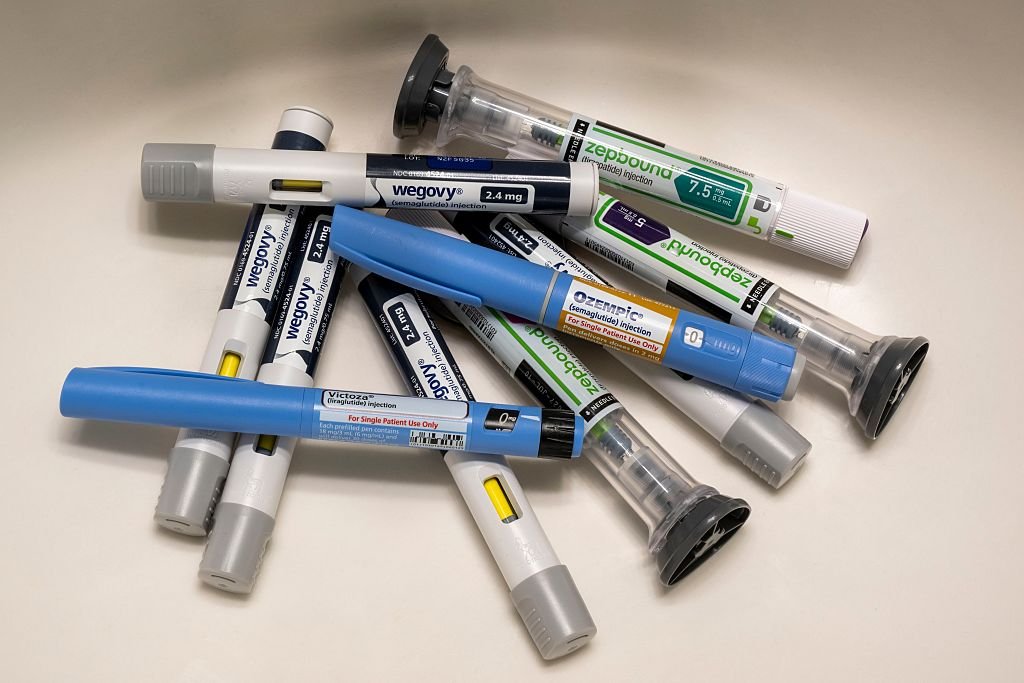
Medicare has unveiled a new initiative that will dramatically expand access to GLP-1 weight loss medications for millions of older Americans. Starting in July 2026, a pilot program called the Medicare GLP-1 Bridge will offer these popular drugs at a flat rate of $50 per month, a fraction of their typical out-of-pocket cost.
The program, which is set to run until the end of 2027, is designed to address the high cost barrier that has kept many seniors from using drugs like Ozempic and Wegovy. These medications, originally developed for diabetes, have surged in popularity for weight loss but often carry price tags exceeding $1,000 monthly without insurance.

According to Medicare officials, up to 56 million Americans could be affected by this change, though the agency has not yet detailed eligibility criteria or which specific GLP-1 drugs will be included. The announcement comes amid broader debates over healthcare affordability and prescription drug pricing, issues that have resonated deeply with voters.
This move could reshape the landscape of weight management for seniors, a demographic increasingly concerned with health outcomes. For context, a recent poll found that 46% of Americans expect the Iran conflict to last another year or more, highlighting how domestic health policy often competes with international crises for public attention.
Political and Policy Implications
The Medicare GLP-1 Bridge program represents a significant policy shift, as the agency has historically been reluctant to cover weight loss drugs. Critics argue the temporary nature of the pilot—just 18 months—may create uncertainty for patients and providers. Supporters, however, see it as a necessary step toward broader reform.
Advocacy groups have praised the initiative but urged Congress to make it permanent. "This is a lifeline for millions who have been priced out of effective treatments," said a spokesperson for the American Obesity Association. "But a two-year window isn't enough to ensure stable access."
The program's launch date in mid-2026 places it squarely in the middle of the next presidential term, adding a layer of political stakes. Lawmakers from both parties have signaled interest in expanding coverage, though disagreements over funding and regulation persist. Meanwhile, the USDA's recent claims of recovering billions in SNAP fraud highlight ongoing battles over federal health spending.
What Patients Need to Know
For seniors currently paying full price for GLP-1s, the $50 monthly cap could represent savings of hundreds of dollars per prescription. However, experts caution that the program's limited duration may lead to gaps in coverage. Patients are advised to check with their Medicare plan starting in early 2026 to see if they qualify.
The announcement has also sparked discussions about broader healthcare trends, including the impact of climate-driven events on public health. As millions face hazardous air from wildfires, access to medications that address chronic conditions becomes even more critical.
With the deadline for this program still two years away, stakeholders are already lobbying for extensions and expansions. The outcome could set a precedent for how Medicare handles weight loss therapies in the future, potentially influencing private insurers as well.