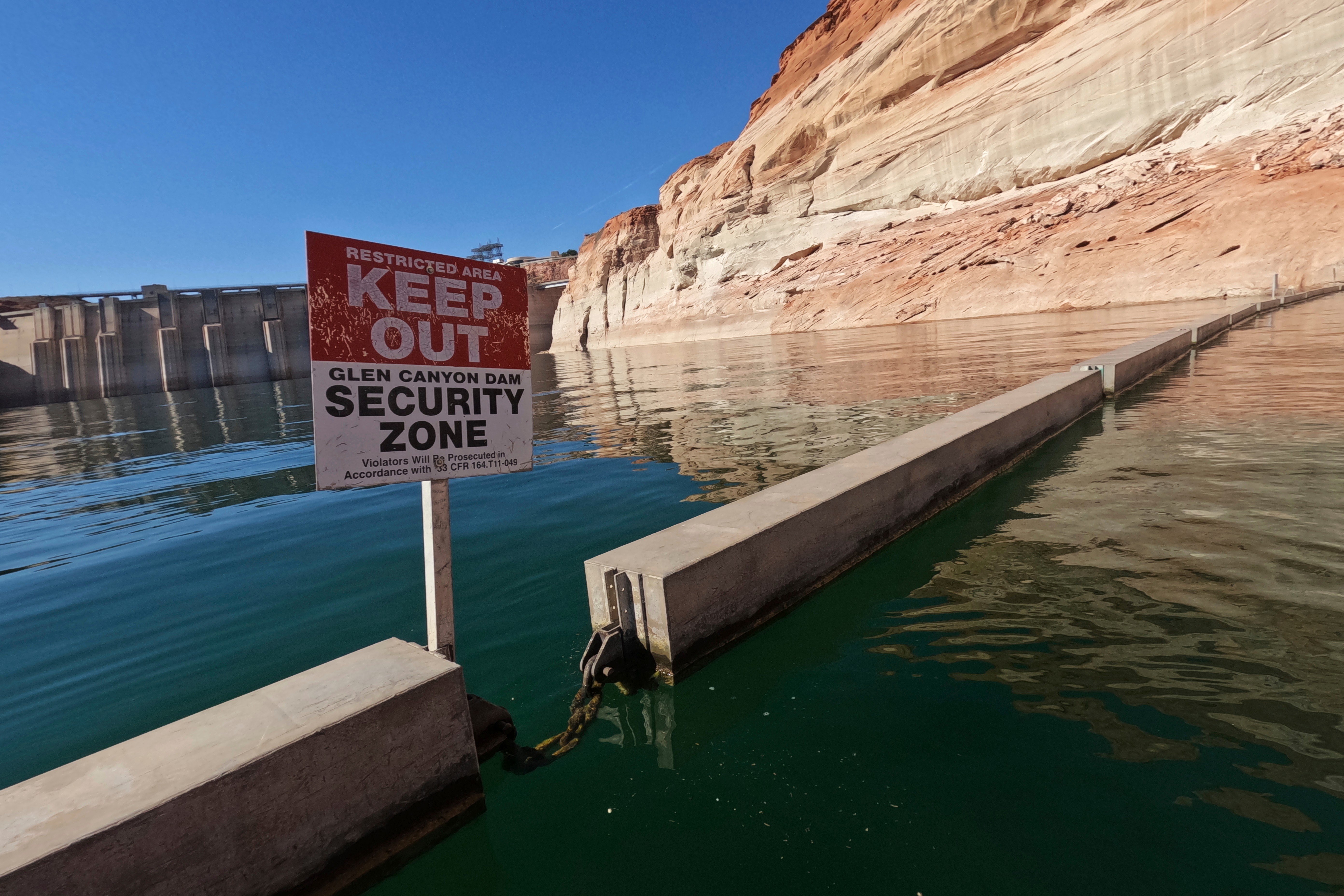
The Bureau of Reclamation has released a sobering forecast for Lake Powell, the massive Colorado River reservoir that supplies hydroelectric power across the Western United States. According to the agency's latest study, the reservoir's water level could sink to roughly 3,492 feet by the end of March 2027—just two feet above the minimum power pool threshold of 3,490 feet required to keep turbines spinning.
As of Thursday, the reservoir stood at about 3,524 feet, meaning the projected decline would represent a drop of more than 30 feet over the next two years. The study underscores the ongoing strain on the Colorado River system, which has been battered by decades of overuse and a persistent drought that federal scientists say has been intensified by climate change.

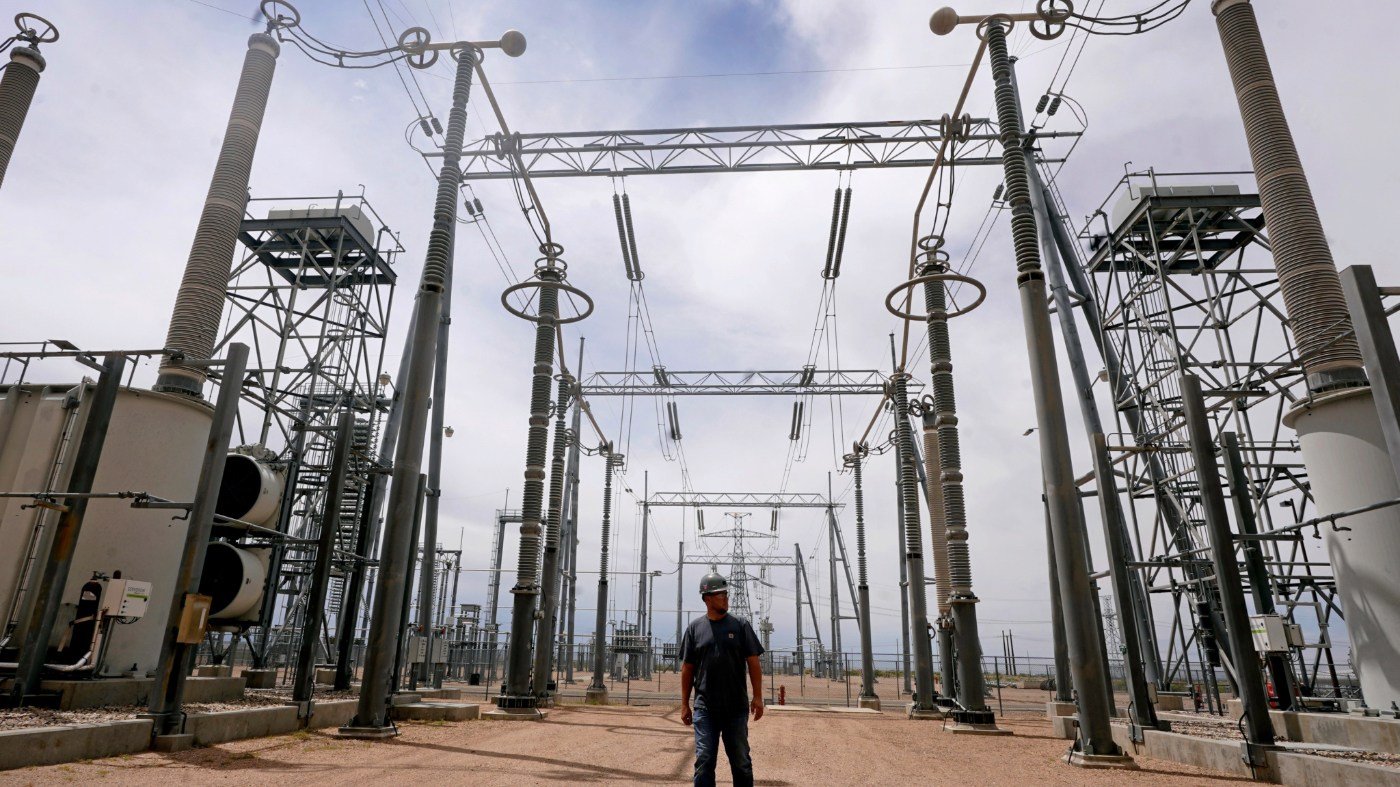
Lake Powell is a critical piece of the region's energy infrastructure, providing electricity to an estimated 6 million households and businesses. A drop below the minimum power pool would force the Glen Canyon Dam to halt hydroelectric generation, creating a potential crisis for utilities and ratepayers already grappling with high energy costs. The Bureau of Reclamation said it is considering “all tools that are available” to prevent the reservoir from falling below 3,500 feet, a level that would trigger emergency measures.
The new projections come as the West remains in the grip of drought, according to the U.S. Drought Monitor. A separate 2024 federal study found that climate change transformed what might have been an ordinary dry spell into an extraordinary drought between 2020 and 2022, accelerating the depletion of reservoirs like Powell and its upstream counterpart, Lake Mead.
The situation has reignited debates in Washington over water management and the reliability of hydropower in an era of climate volatility. As data centers and other industries drive surging electricity demand, the potential loss of Lake Powell's output could compound pressures on regional grids.
Environmental groups have long argued that the Colorado River's allocation agreements are unsustainable, and they are now calling for more aggressive conservation measures. Meanwhile, agricultural and municipal water users across the basin face tough choices as the federal government negotiates new operating rules for the river's two largest reservoirs.
The Bureau of Reclamation's study serves as a stark reminder that the era of cheap, abundant hydropower in the West may be ending. With climate change reducing snowpack and runoff, and demand showing no signs of easing, policymakers are scrambling to avoid a scenario where the lights literally go out for millions. The agency has not yet specified which tools it might deploy, but options could include releasing water from upstream reservoirs, reducing downstream deliveries, or even temporarily curtailing hydropower output to preserve water levels.
For now, the clock is ticking. The 2027 deadline may seem distant, but the decisions made in the coming months will determine whether Lake Powell can continue to serve as both a water bank and a power plant for a parched region.