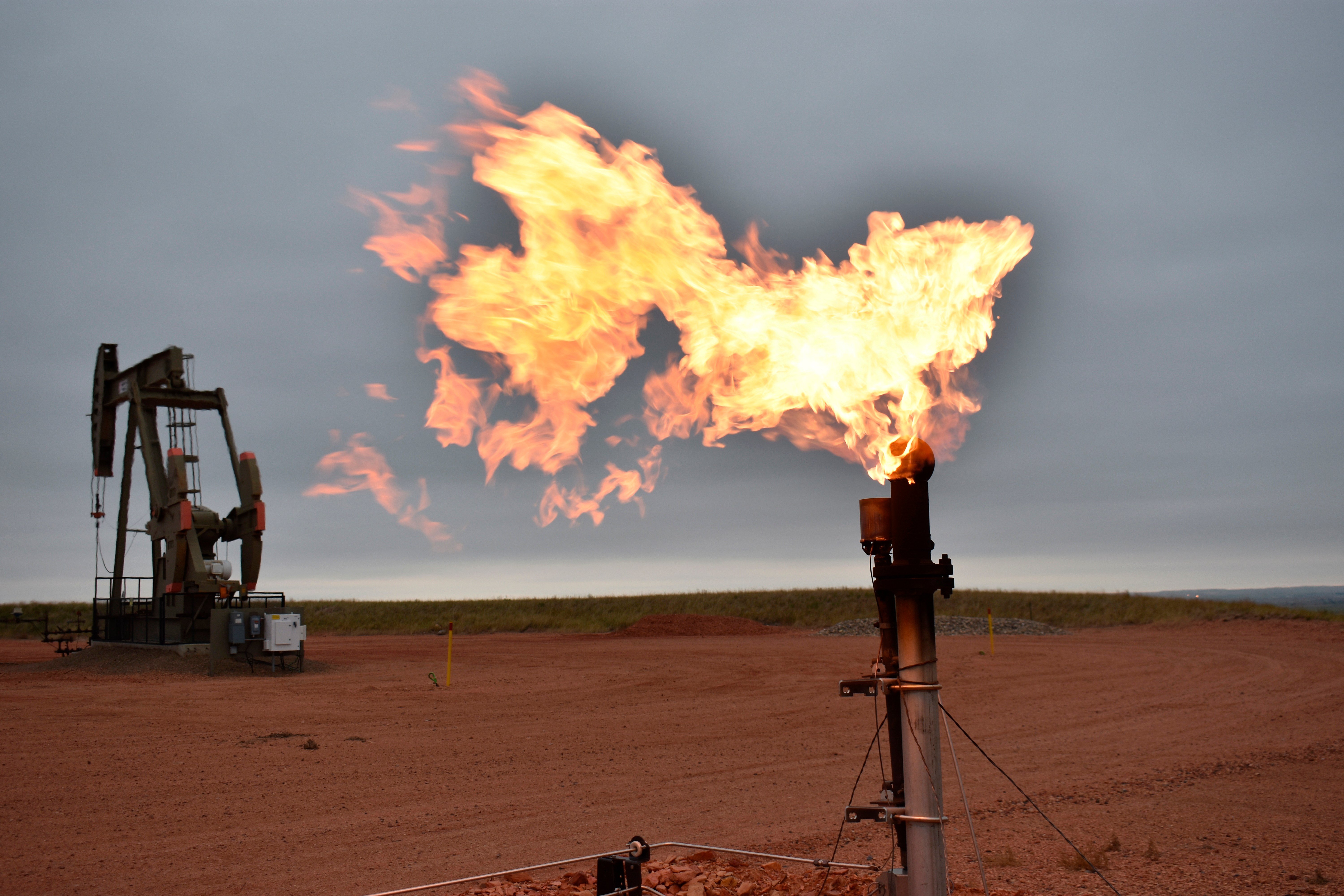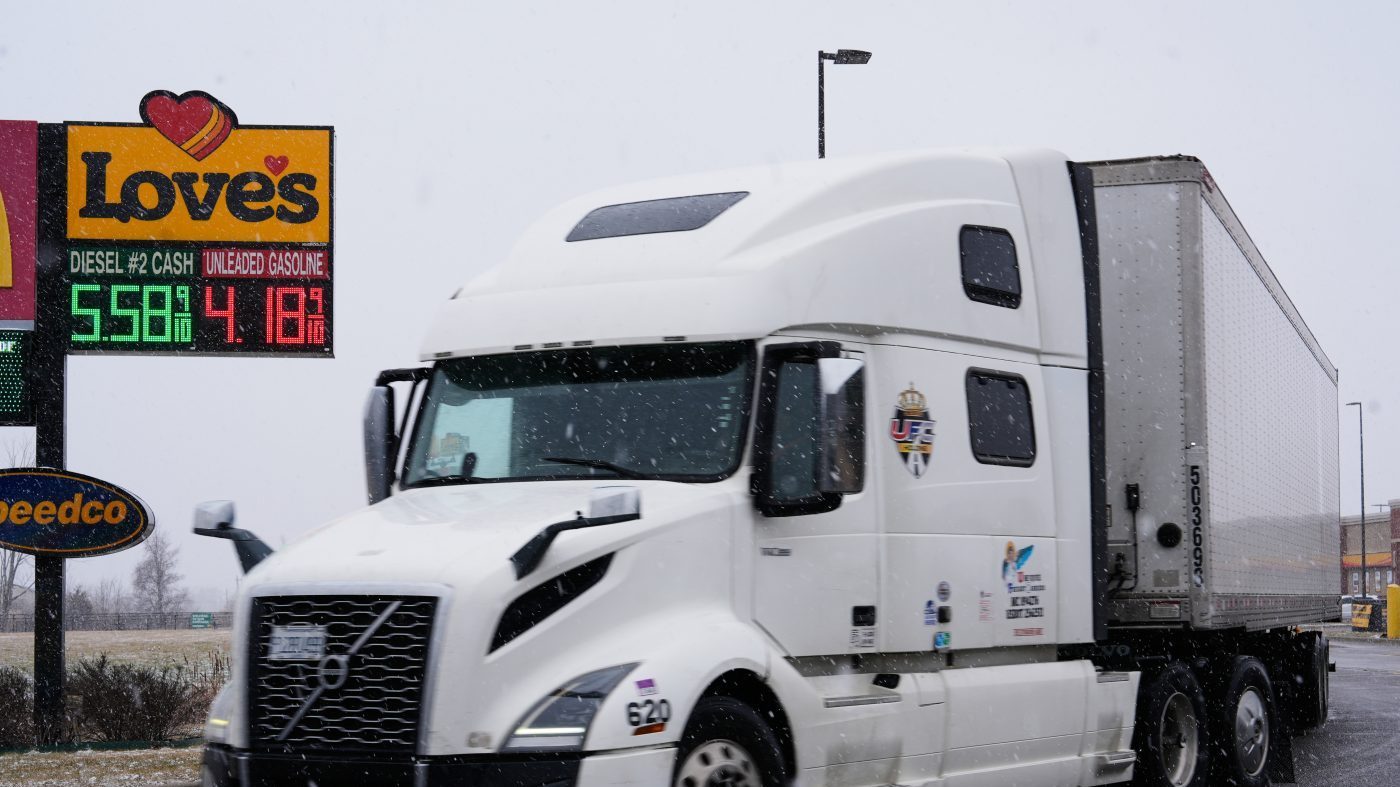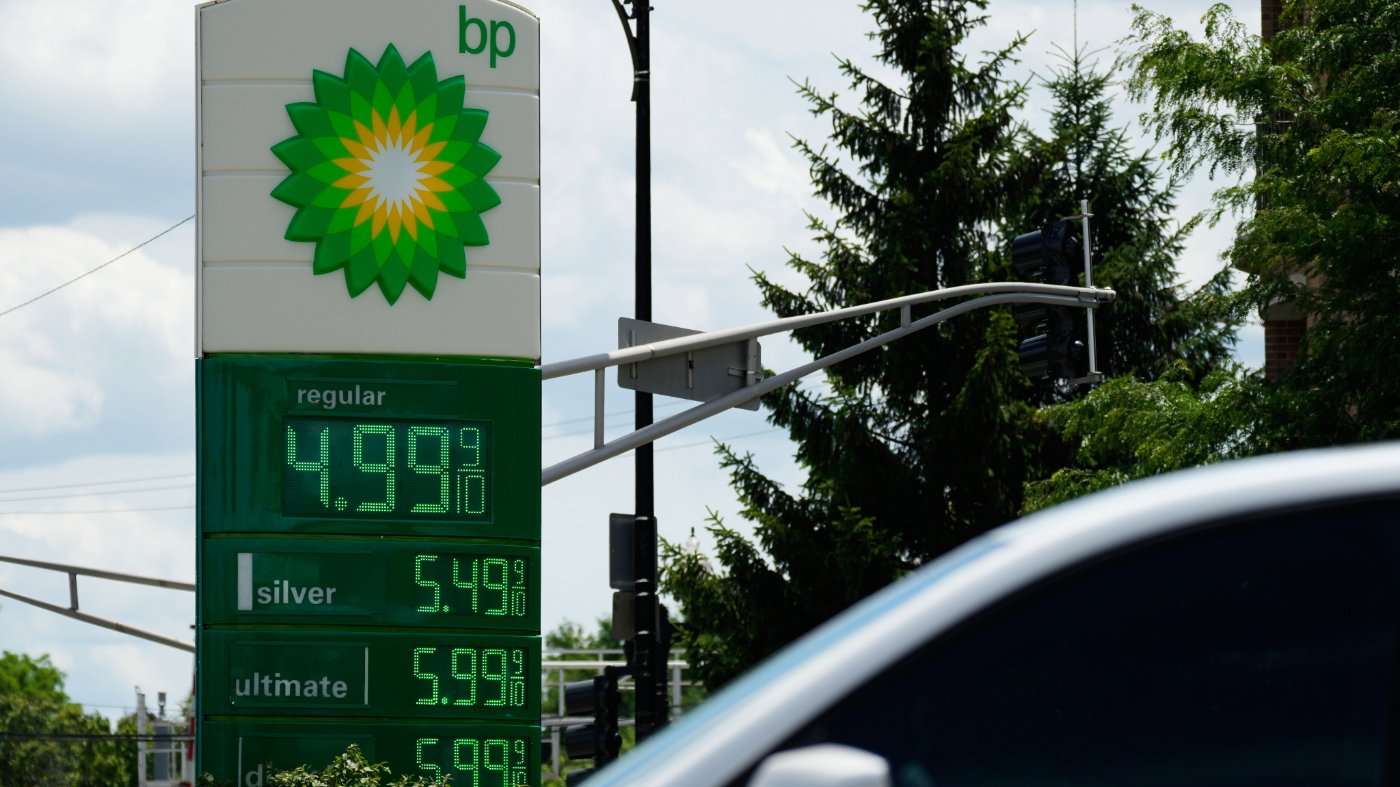
With energy prices continuing to strain household budgets, lawmakers on Capitol Hill are reviving old punitive tax proposals targeting oil producers. But critics warn these measures could do more harm than good, potentially deepening the very supply crisis they aim to solve.
Two bills have drawn particular scrutiny. Senator Sheldon Whitehouse (D-RI) and Representative Ro Khanna (D-CA) introduced the Big Oil Windfall Profits Tax Act, which would impose a permanent 50% excise tax on crude oil sales when prices exceed a 2025 baseline average. Meanwhile, Senate Majority Leader Chuck Schumer (D-NY) and Senator Ron Wyden (D-OR) are pushing the Taxing Buybacks from Big Oil Windfalls Act, which would hike the stock buyback tax from 1% to 25% for oil and gas firms.
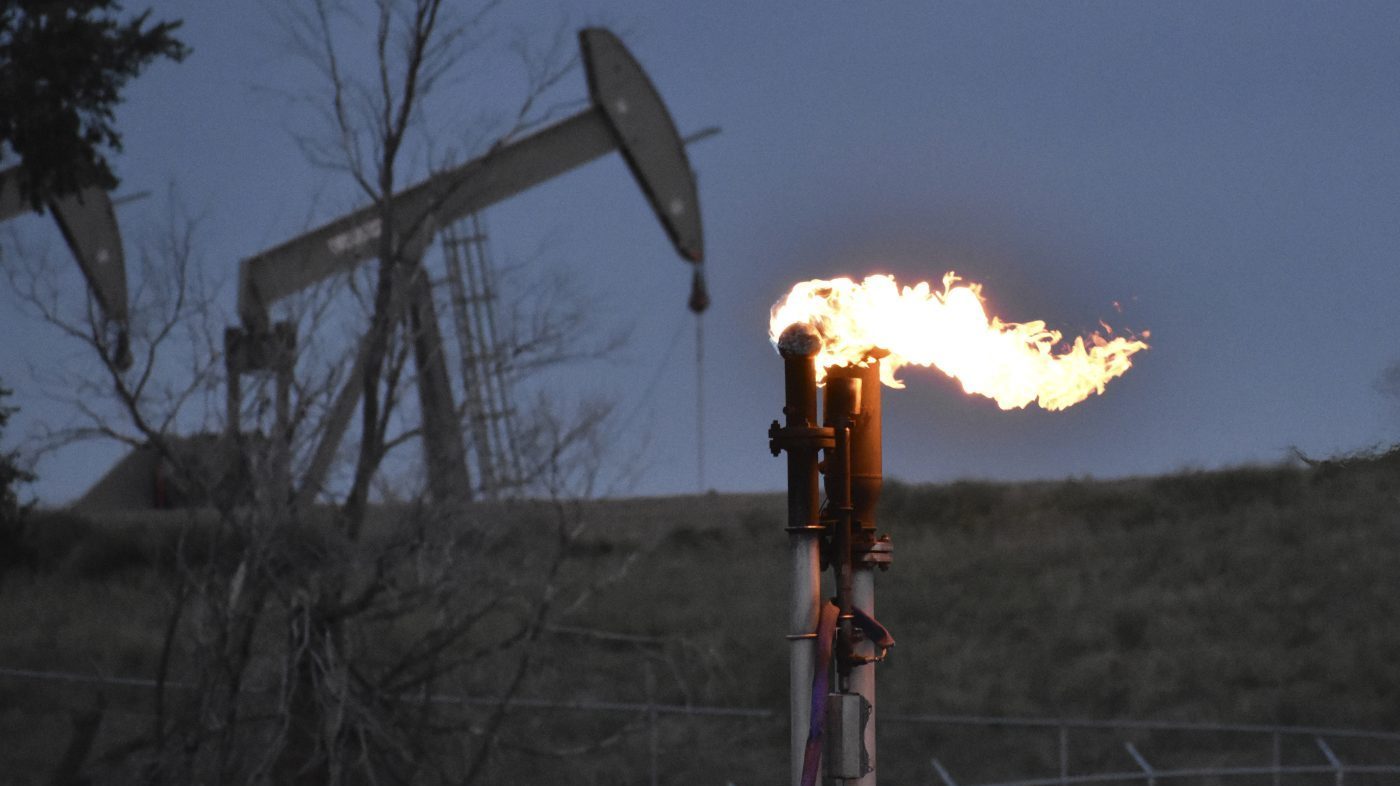
While these ideas may resonate with voters frustrated by high gasoline bills, analysts say taxing producers is the wrong remedy for a supply-driven price spike. “Taxing producers is the opposite of a solution to a supply crisis,” said Alex Muresianu, a senior policy analyst at the Tax Foundation. He argued that the U.S. corporate income tax already captures higher profits from oil companies during boom years, making additional levies redundant.
The track record of windfall profit taxes abroad is poor. European countries that experimented with such taxes just four years ago saw minimal revenue gains but significant investment losses. In Spain, the tax discouraged clean energy projects as much as fossil fuel development. In the United Kingdom, it accelerated the decline of North Sea oil production. The lesson, Muresianu noted, is that these policies often backfire.
Both proposed taxes operate differently but share a common flaw: they reduce the incentive to invest in energy production. The excise tax on crude sales would cap the upside for drillers by taxing the difference between a base price and the market price. The buyback tax would raise the cost of capital by lowering after-tax returns for investors, making it harder for companies to fund new projects.
Proponents argue the taxes are temporary, triggered only when oil prices spike above certain thresholds. The Whitehouse excise tax activates only when crude prices exceed the baseline, while the Schumer-Wyden buyback tax would expire when retail gasoline falls below $2.937 per gallon for five consecutive weeks. But critics counter that even conditional taxes shape investor expectations—and not in a good way.
“Investors only risk capital in highly volatile industries like oil and gas because they see the upside of high-price scenarios offsetting the downside of low-price scenarios,” Muresianu explained. If companies fear punitive taxes during profitable years, they may pull back on drilling, reducing future supply and keeping prices elevated. This dynamic is especially risky given the industry’s history of boom-and-bust cycles, from supply shocks like the Strait of Hormuz crises to demand collapses like the COVID-19 pandemic, which briefly sent oil prices negative.
The broader political context adds urgency. As the nation grapples with an affordability crisis, lawmakers are under pressure to act. But Muresianu argues the solution lies in a stable tax code that encourages production, not ad hoc penalties. “If you want more energy production, taxing producers is the wrong place to start,” he said. “The focus should be on a stable tax code that aids, not detracts, from furthering energy production.”
With midterm elections looming, the debate over energy policy is likely to intensify. But for now, the windfall tax proposals face an uphill battle, even as Democrats remain divided over how to address rising costs without alienating voters or industry.