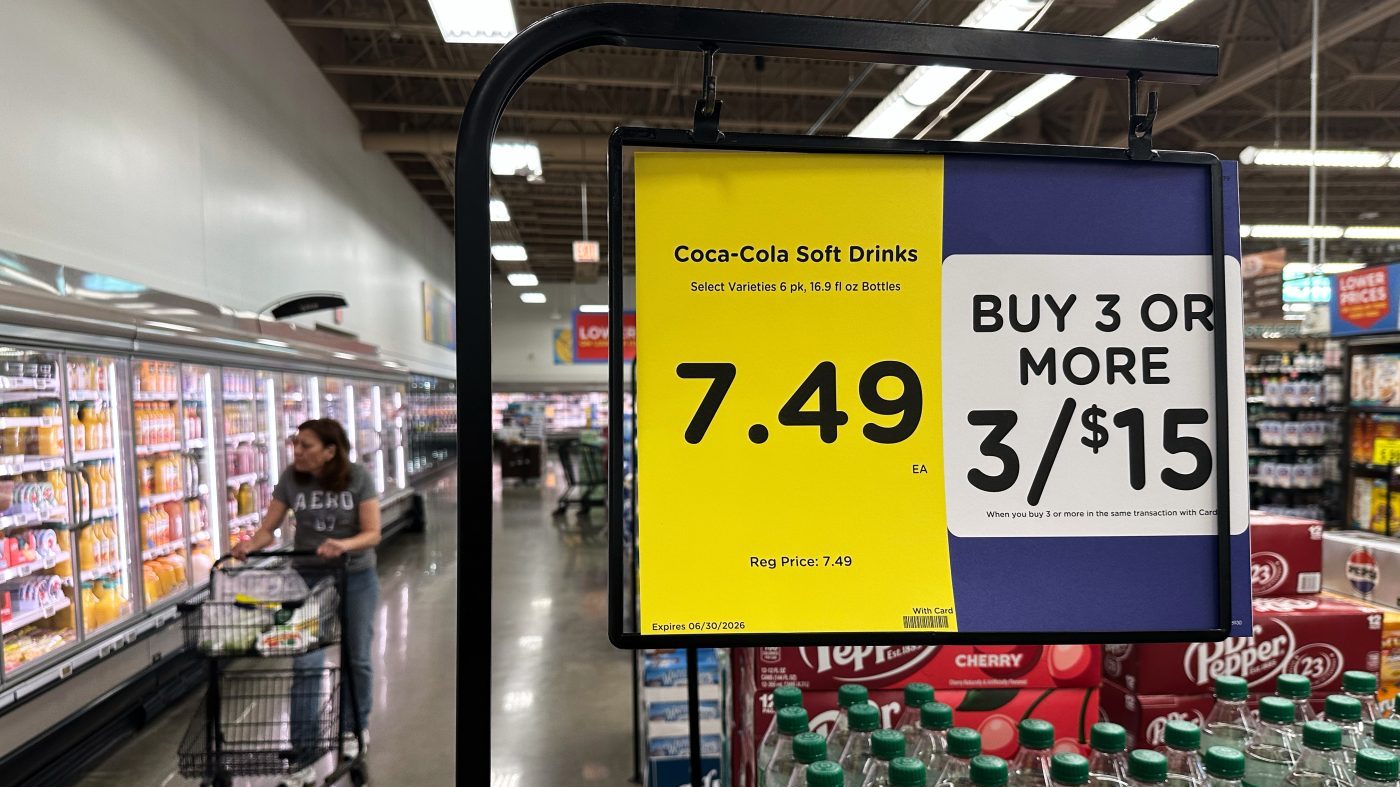
A staggering 95 percent of American adults now say the United States is mired in an affordability crisis, according to a new Harris Poll survey conducted for The Guardian and released Wednesday. The findings underscore deep public anxiety over living costs that have become a central political flashpoint ahead of November's midterm elections.
The survey, fielded from May 28 to June 6 among 4,100 U.S. adults, captures sentiment before the U.S. military resumed operations against Iran on Tuesday. That resumption has renewed turmoil in global energy markets, with the closure of the Strait of Hormuz—a critical oil shipping chokepoint—tightening crude supplies and sending prices soaring. On Wednesday morning, crude oil prices spiked after the Trump administration revoked its waiver on Iranian oil sanctions and President Trump declared the ceasefire agreement “over.”
Fifty-seven percent of respondents said the overall economy is getting worse—a jump of more than 20 percentage points since before the war began in February. Roughly half of Democrats, Republicans, and independents reported difficulty affording necessities such as gasoline and food. The poll has a margin of error of approximately 1.9 percentage points.
The affordability crisis has dominated primary contests across the country and is expected to be a decisive issue at the ballot box in November. Some Republican lawmakers have taken notable steps to press the Trump administration to end the conflict, with several joining Democrats in supporting an Iran war powers resolution aimed at reining in military action.
White House officials and the president have characterized the energy price spikes as temporary. They pointed to a memorandum of understanding signed with Iran last month as a step toward economic stability. However, Tuesday's resumption of hostilities has cast doubt on that narrative. Meanwhile, Democrats have seized on Trump's remark that he “loves” inflation—a comment the president later clarified to The New York Post, saying he was anticipating how strong economic numbers would look after the war ends.
The poll's findings align with broader trends showing that affordability concerns are reshaping political allegiances. A separate survey found that Trump's massive fundraising haul gives Democrats fresh ammunition on the affordability issue as they campaign for the midterms. The issue is also hitting households beyond just energy and groceries: a recent report warned that one in four U.S. households faces a water affordability crisis.
With the war in Iran escalating and energy markets in turmoil, the affordability crisis shows no signs of abating. Both parties are now racing to frame the economic pain for voters—Republicans by promising a post-war boom, Democrats by pinning the blame on Trump's policies and his conflict-driven inflation.