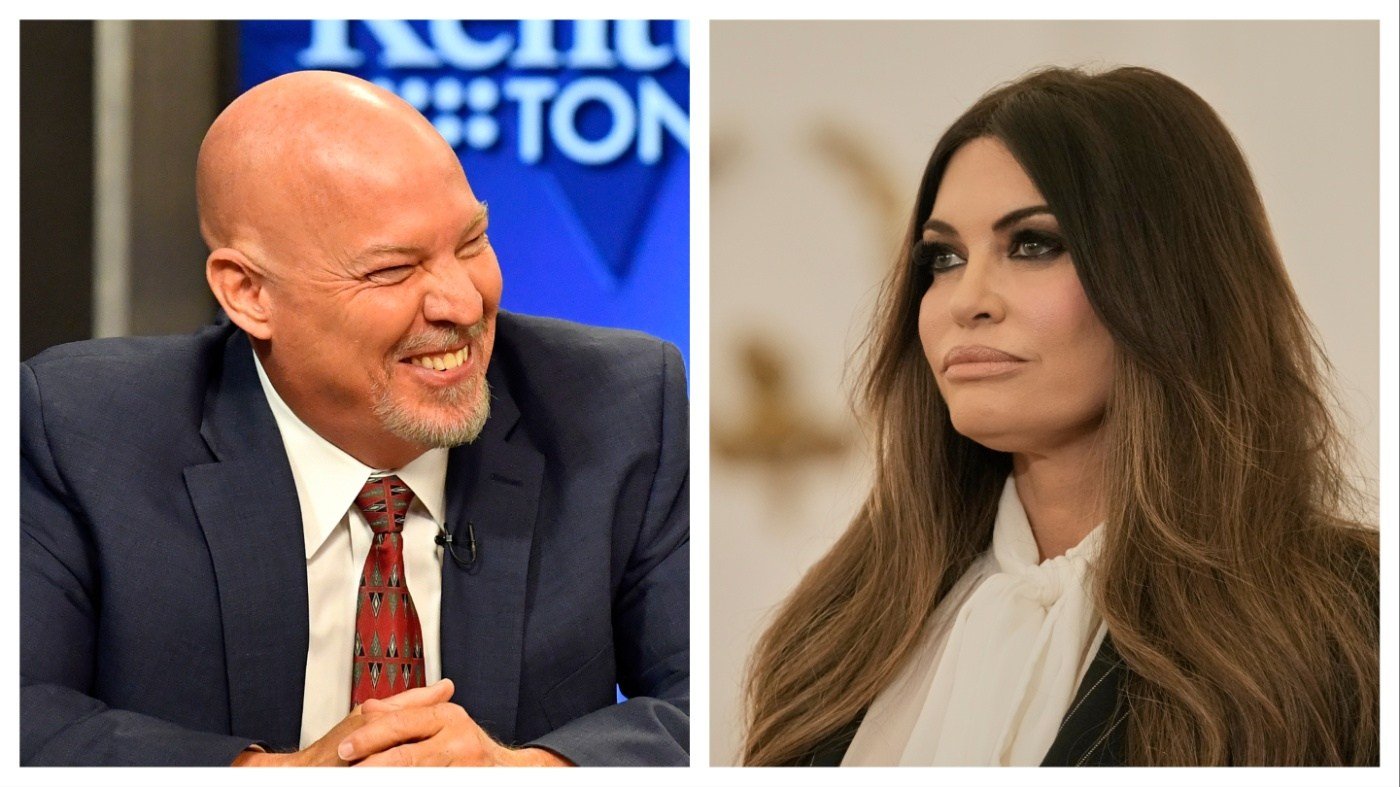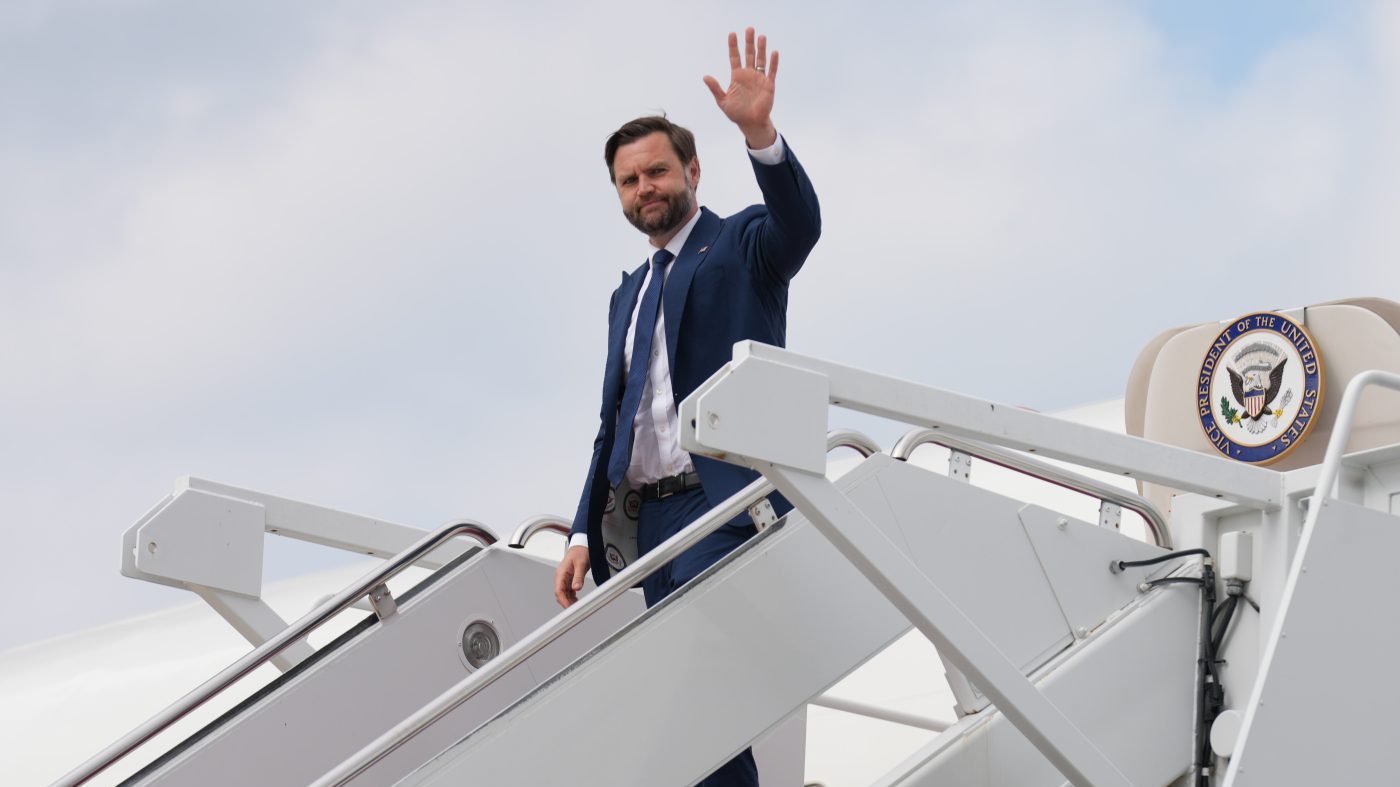
Former Trump administration aide Caroline Sunshine alleged Thursday that Vice President JD Vance was deliberately positioned to take the blame for the collapsed U.S.-Iran memorandum of understanding, pointing to Secretary of State Marco Rubio's conspicuous absence during the deal's rollout.
Speaking on CNN's NewsNight, Sunshine—who served as a White House aide and is also a former Disney Channel star—said Vance was dispatched for a media blitz to sell the agreement while Rubio was nowhere to be found. “JD Vance was doing interview after interview after interview, going out and selling this deal, and Marco Rubio was, like, what? DJing a wedding, or something?” she said.
The MOU, released in June, was billed as a framework to end the war with Iran and reopen the Strait of Hormuz, a vital waterway for 20 percent of the world's oil supply. But the deal unraveled this week as the U.S. launched retaliatory strikes against Iran after Tehran targeted shipping vessels in the strait.
Sunshine argued that Iran has shifted its strategy from military confrontation to economic warfare. “[Iran] has figured out what we have not figured out, which is that this is an economic war. This war does not have a military solution,” she said. “We’ve exhausted all the good military options.”
She linked Iran's approach to President Trump's stated fears of triggering an economic downturn akin to the Great Depression under Herbert Hoover. “What Iran has figured out is that war is about studying your opponent, and they’ve studied President Trump very well,” Sunshine told host Abby Phillip. “And what they’ve learned is… ‘That’s a really nice stock market you’ve got there. It would be a shame if anything happened to it.’”
Sunshine's comments echo broader GOP tensions over the handling of Iran policy. Trump has previously dismissed critics of his Iran approach, and a former aide recently called talks with Tehran futile after the president's inflammatory remarks. Meanwhile, the 2028 Republican primary is already shadowed by the Vance-Rubio dynamic, with Trump's influence looming large over both figures.
The collapse of the MOU raises fresh questions about the administration's Iran strategy and whether Vance was set up for a political fall. As hostilities resume, the White House faces pressure to outline a coherent path forward—militarily, economically, and diplomatically.