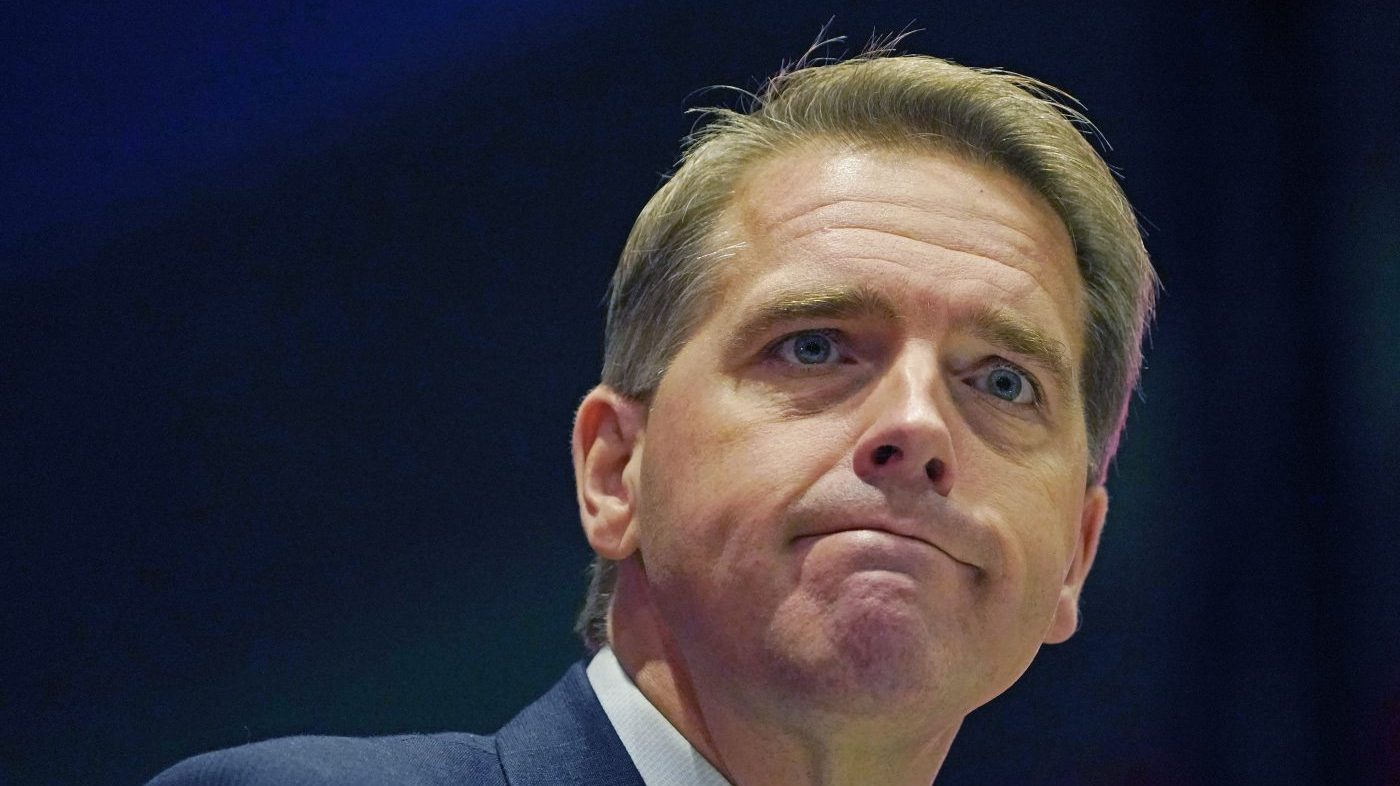
Conservative commentator Scott Jennings said Wednesday that the unraveling of the interim ceasefire agreement between the United States and Iran came as no surprise, as both sides escalate military operations. Appearing on CNN, Jennings argued that Tehran has consistently acted as a hostile adversary to Washington, and President Trump’s decision to return to military action was a logical next step after giving diplomacy a chance.
“I concur that, you know, there was always a high percentage chance the Iranians were never going to come to the table here in a meaningful way, in good faith,” Jennings said. “I’m not surprised it’s ending this way.” He recalled a conversation with Trump on the morning the memorandum of understanding was signed, when the president warned that if Iran failed to meet its obligations, “we’ll go back to the military campaign.” Jennings added, “That’s what he has decided to do.”

The collapse of the deal comes amid a broader context of heightened tensions. In a recent tense NATO summit in Ankara, Trump clashed with allies over defense spending, further complicating the international response to the Iran crisis. The administration is now expected to abandon plans to unfreeze Iranian assets and lift sanctions, as outlined in the original memorandum.
“The outcomes here are we destroyed their military and turned all their neighbors against them,” Jennings said. “That’s a way to declare victory in all of this.”
Overnight Thursday, U.S. Central Command reported striking approximately 90 Iranian military targets. Iran retaliated with strikes that entered Kuwaiti and Bahraini airspace. Kuwaiti Major General Saud Abdulaziz Al-Otaibi confirmed that debris from intercepted drones and missiles caused material damage and one injury, with the injured person in stable condition. Bahrain’s General Command also said it “intercepted and destroyed several treacherous Iranian aerial attacks.”
Trump declared the interim deal “over” on Wednesday, telling reporters aboard Air Force One that “every time they hit us, we’ll hit them 20.” Meanwhile, Ebrahim Rezaei, a spokesperson for the Iranian Parliament’s national security committee, warned that Tehran has no “red lines” in defending its territory. “The Gulf states that have stood alongside Trump in the Iran-America regime conflict should watch over their oil and gas wells,” Rezaei posted on X, translated from Persian.
The renewed hostilities mark a significant shift from the brief period of diplomacy, and analysts are watching closely to see how the situation evolves. Jennings’ comments reflect a broader sentiment among conservatives that the administration’s hardline approach is the only viable path forward. However, the risk of broader regional conflict remains high, as Iran’s threats against Gulf states and Trump’s vow of overwhelming retaliation create a volatile dynamic.