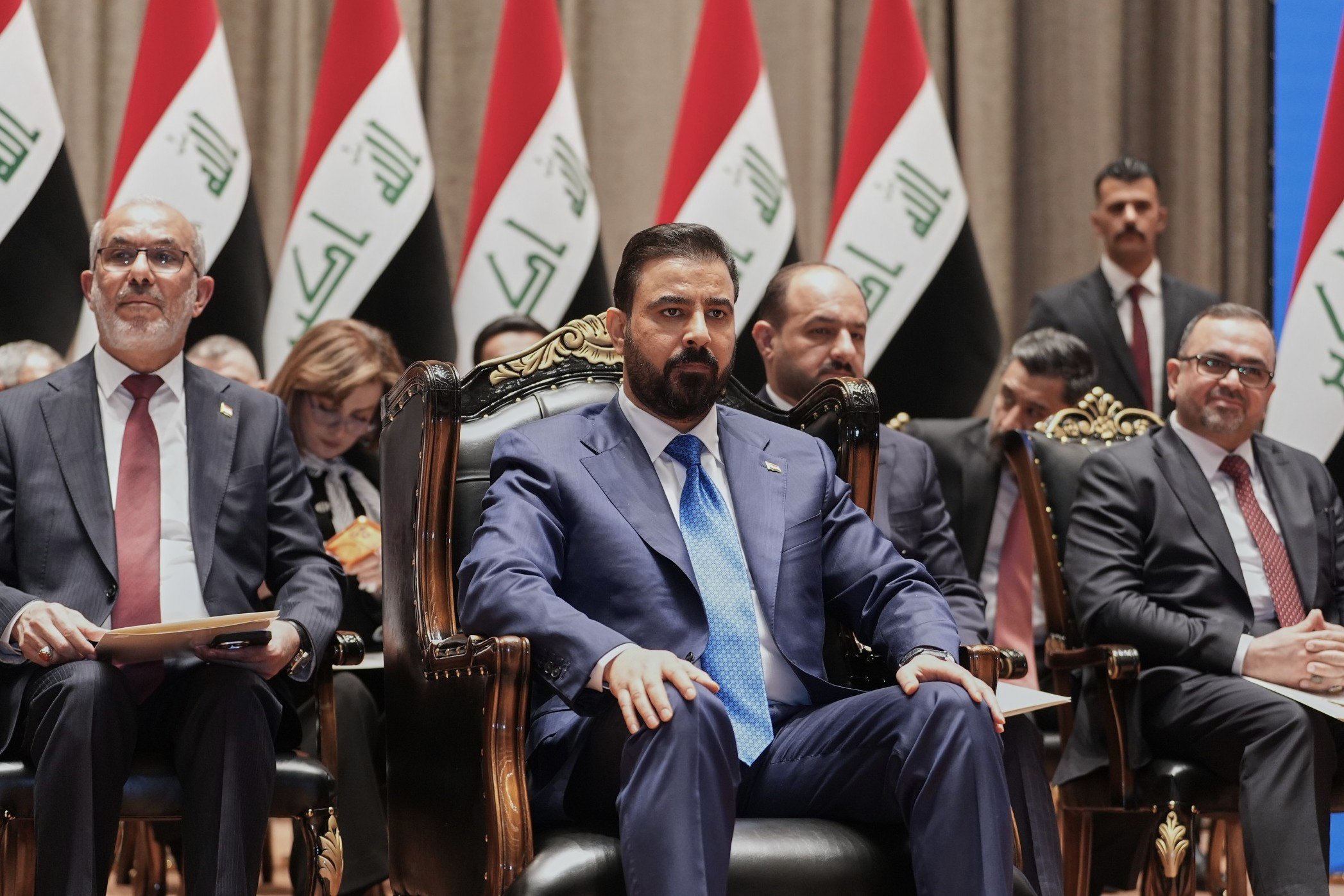
Next week, Iraqi Prime Minister Ali al-Zaidi arrives in Washington for talks that could redefine a relationship long stuck in the shadow of war. The visit signals a shift: both capitals are ready to move beyond the familiar lens of terrorism, insurgency, and Iranian competition toward a more pragmatic agenda centered on economic development, energy security, and regional connectivity.
Iraq is not the same country it was twenty years ago, and US policy has yet to fully catch up. The conversation in Washington too often reduces Iraq to a battlefield or a proxy chessboard. But al-Zaidi will come bearing a different message: Iraq wants a partnership, not a protectorate.
Mutual Need, Realistic Expectations
The foundation of any reset rests on a simple fact: both countries still need each other. For Iraq, the US remains a critical security partner, a source of investment and technology, and a major international actor whose policies shape Baghdad's diplomatic and economic options. For the US, Iraq's strategic location, energy reserves, and role in regional trade make it indispensable—especially in preventing the resurgence of extremist groups like the Islamic State.
Yet both governments face difficult political realities. Iraq wants productive ties with Washington without being drawn into conflicts between Iran and the US-Israel axis. The US wants to support Iraqi stability while limiting the influence of Iran-aligned forces. These goals are not inherently contradictory, but they require careful management and a clear-eyed understanding of each other's constraints.
Security Cooperation Evolves
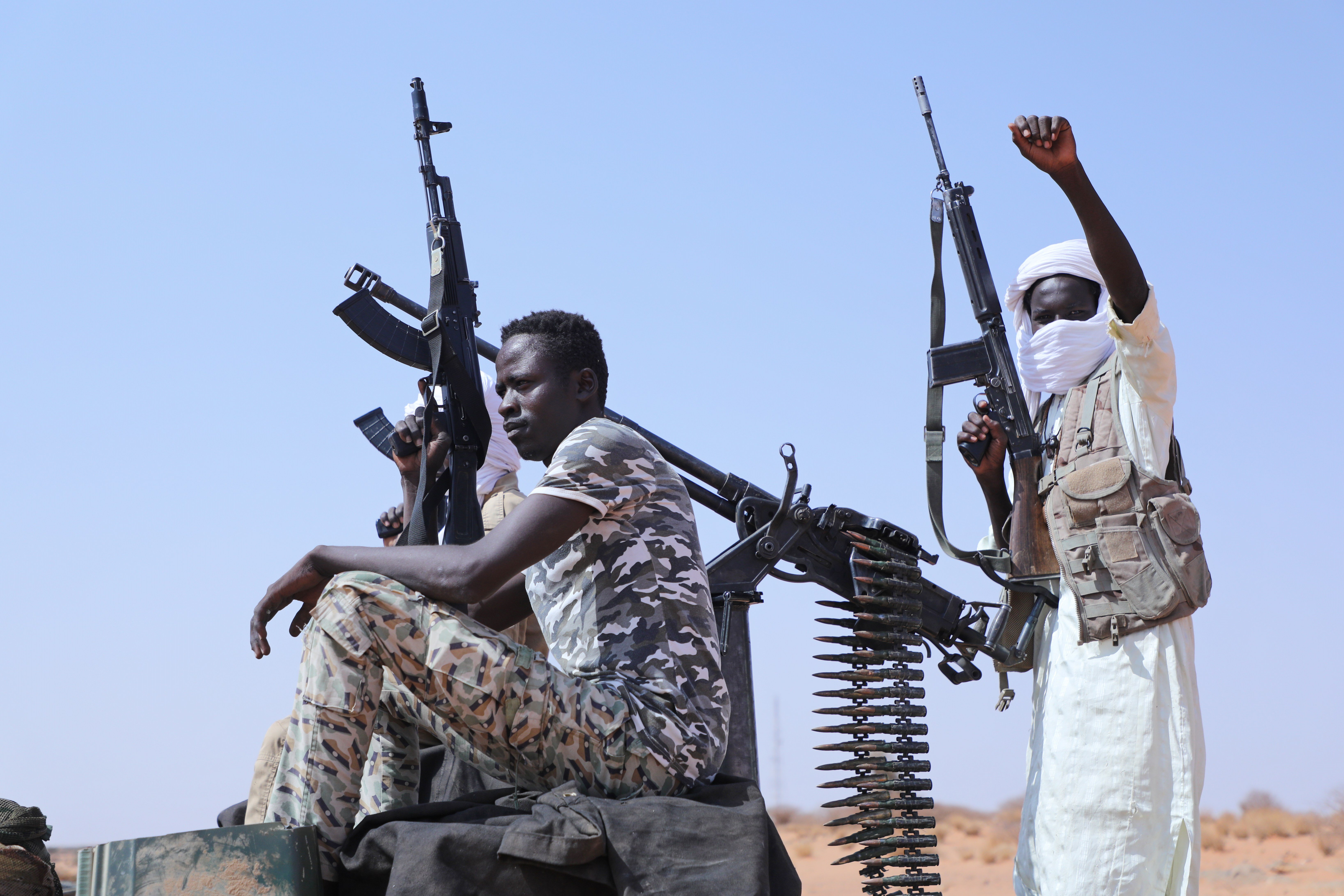
The most immediate shared interest remains security. Although the Islamic State no longer controls large territories, its networks remain active in Iraq and Syria. Both governments know that gains can erode if vigilance lapses. Iraq's security forces have matured significantly over the past decade, but continued intelligence sharing, training, and specialized US support remain valuable.
Importantly, security cooperation today looks very different from the large military footprint of earlier years. Iraqi leaders increasingly emphasize partnership over dependence. Their goal is not to host foreign combat operations but to strengthen Iraq's own institutions so they can provide security independently—an objective Washington should welcome.
Sovereignty as a Shared Principle
Al-Zaidi is also expected to stress the protection of Iraqi sovereignty. Iraqi leaders frequently find themselves balancing competing pressures from outside actors. Most Iraqis, regardless of political affiliation, do not want their country to become an arena for others' conflicts. The prime minister will likely argue that Iraq seeks constructive relations with all major partners while maintaining the freedom to make decisions based on its national interests.
This desire for sovereignty is not opposition to the US. On the contrary, a sovereign and stable Iraq was one of America's justifications for the 2003 invasion. Respecting Iraq's independence while maintaining strong cooperation can strengthen the relationship rather than weaken it.
Economics May Trump Security
Ultimately, economic issues may prove more consequential than security concerns. Iraq possesses enormous natural resources, a young and educated population, and significant geographic advantages. Yet it faces persistent challenges: electricity shortages, infrastructure deficits, high unemployment, and underinvestment in key sectors. These problems create opportunities for mutually beneficial cooperation. US companies have expertise in energy production, power generation, grid modernization, digital infrastructure, logistics, and advanced technology—all areas where Iraq needs partners to help transform its rentier economy into a diversified provider of services and manufactured goods.
Energy is particularly important. Despite being a major oil producer, Iraq still struggles with electricity shortages and remains dependent on energy imports from Iran. Expanding domestic natural gas production, reducing wasteful gas flaring, modernizing the electricity grid, and increasing generation capacity would strengthen Iraq's economy while enhancing its energy security. This is where Baghdad's and Washington's interests align closely: Iraq wants greater energy independence, and the US wants Iraq less vulnerable to external pressure and supply disruptions. Investment and technology partnerships can help achieve both objectives.
Regional connectivity offers another avenue for cooperation. Iraq increasingly sees itself not merely as an oil exporter but as a transportation and commercial hub linking the Gulf, Turkey, and the broader Middle East. Infrastructure projects connecting ports, railways, roads, and industrial zones could transform Iraq into a major trade corridor. Such development would benefit not only Iraq but also regional stability. Countries connected through trade and investment generally have stronger incentives to maintain peaceful relations.
No discussion of US-Iraq relations can avoid the question of Iran. This remains the most sensitive issue likely to arise during al-Zaidi's meetings with President Trump. The US is concerned about the influence of Iran-backed armed groups and networks operating inside Iraq. In a political landscape where trust is fragile, even small missteps can ripple—much like the ongoing fallout from the Lincoln Memorial reflecting pool damage case, which has drawn attention to how quickly political narratives can shift. Al-Zaidi will need to navigate these tensions carefully, balancing Iraq's need for constructive ties with Washington against the reality of deep Iranian entanglements in its political and security structures.
The reset will not happen overnight. But if both sides can focus on practical cooperation—energy independence, economic diversification, and regional connectivity—rather than old grievances, the visit could mark the beginning of a more mature and productive partnership.