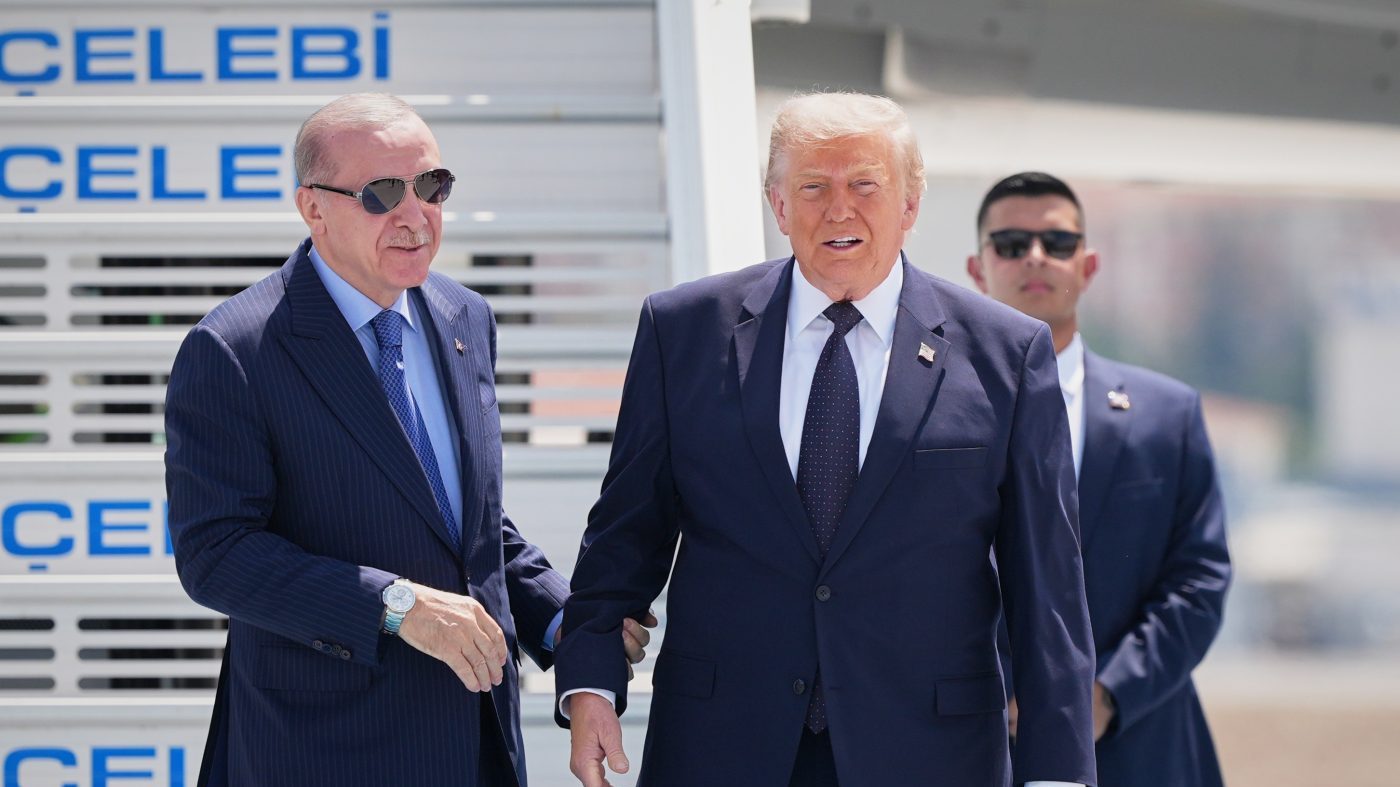
President Donald Trump arrived in Ankara on Tuesday for a NATO summit that comes at a moment of heightened friction within the alliance. Air Force One touched down at Esenboğa Airport, where Turkish President Recep Tayyip Erdogan greeted Trump on the tarmac. The U.S. president then walked over to acknowledge Turkish soldiers who were part of the arrival ceremony.
Joining Trump in the official delegation were U.S. Ambassador to Turkey Tom Barrack, U.S. Ambassador to NATO Matt Whitaker, and Joint Chiefs of Staff Chair General Dan Caine, according to the White House press pool. The presence of top defense and diplomatic officials underscores the stakes of the two-day gathering.
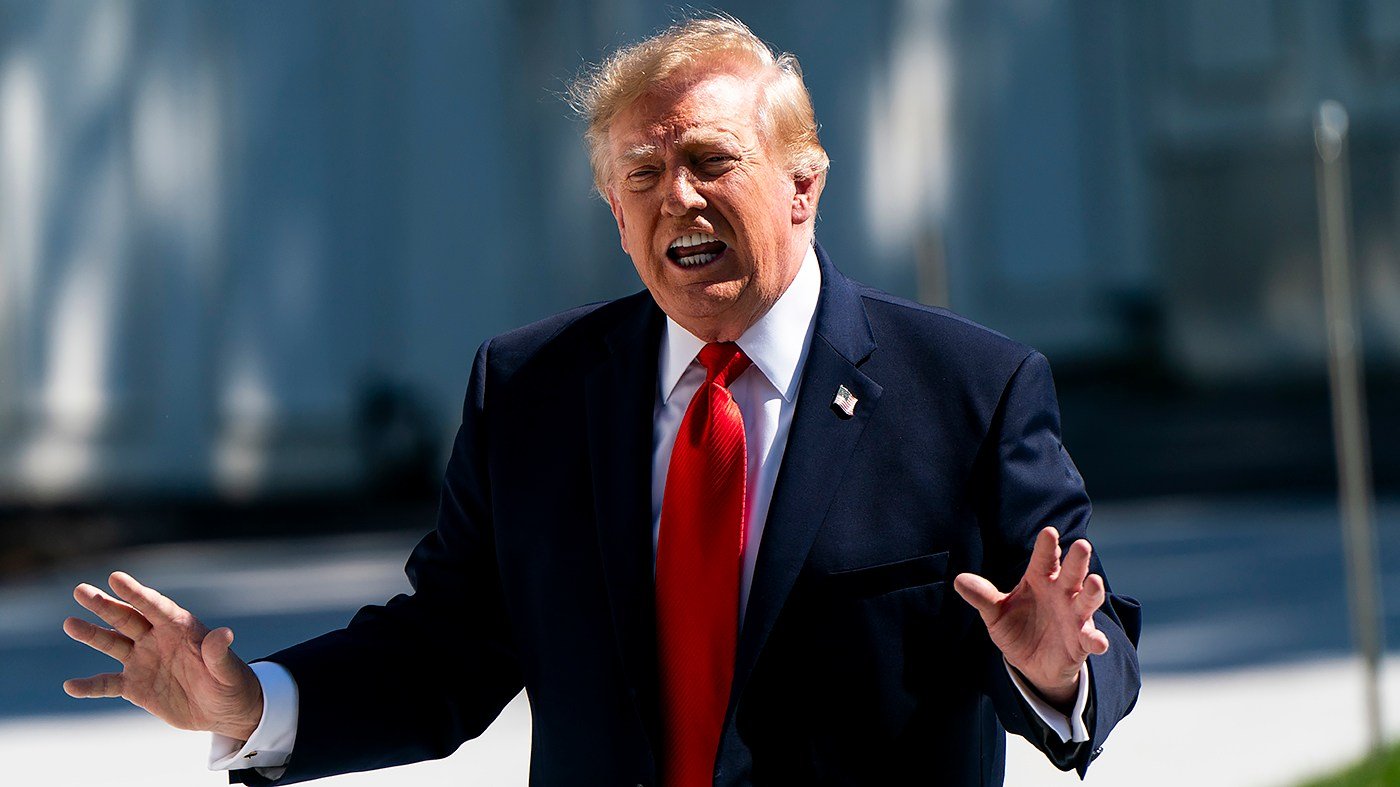
The summit unfolds against a backdrop of persistent discord between Washington and several NATO allies, particularly over Trump’s repeated demands that member nations boost their defense spending to meet the alliance’s 2% of GDP target. The president has long criticized what he sees as European freeloading on American security guarantees, and his rhetoric has rattled diplomats ahead of the meetings.
Before Trump’s plane landed, NATO Secretary General Mark Rutte announced a series of new military projects worth billions of dollars, describing the investments as “money well spent.” The initiatives are aimed at enhancing the alliance’s rapid-response capabilities and reinforcing its eastern flank, a priority since Russia’s full-scale invasion of Ukraine.
The war in Ukraine is a central topic on the summit agenda. Trump is scheduled to meet with Ukrainian President Volodymyr Zelensky on the sidelines, less than three weeks after their last encounter at the Group of Seven summit in France. During that meeting, Trump told reporters that Russia “should make a deal” to end the conflict, signaling a push for negotiated settlement rather than continued escalation.
Beyond the formal sessions, Trump is also expected to hold talks with Syrian President Ahmed al-Sharaa, a meeting that could signal a shift in U.S. engagement with Damascus. The president will hold a press conference before departing for Washington on Wednesday.
Trump’s arrival in Turkey also reignites debate over his administration’s controversial plans to sell F-35 fighter jets to Ankara, a move that has drawn bipartisan backlash in Congress over concerns about Turkey’s human rights record and its purchase of Russian missile defense systems. The issue is expected to come up in private discussions with Erdogan.
The summit marks a critical test of Trump’s ability to balance his “America First” agenda with the demands of collective defense. As he prepares to sit down with allies, the president faces a delicate diplomatic dance: pressing for more burden-sharing while trying to hold together a coalition strained by divergent views on Russia, China, and the future of the alliance itself.