As President Trump prepares to travel to Turkey for this week's NATO summit, he is encountering mounting resistance from Republican lawmakers, Democrats, and Israeli Prime Minister Benjamin Netanyahu over his reported intention to reverse the ban on Turkey's participation in the F-35 fighter jet program. The core objection: Ankara's continued possession of Russian S-400 air defense systems.
Trump has suggested he plans to offer Turkish President Recep Tayyip Erdogan a significant concession, according to reports from The New York Times, potentially signaling a green light for F-35 sales despite congressional restrictions and security concerns. The move would undo Trump's own 2019 decision to eject Turkey from the program after Erdogan accepted delivery of the Russian system.
Netanyahu, whose relationship with Trump has frayed during the Iran conflict, used an interview on Fox News to publicly push back. “I don't think they should be given F-35s or the engines for their fighter jets,” Netanyahu said. “Because that'll upset the power balance in the Middle East, which is ultimately guaranteed by Israeli air superiority.”
Bipartisan lawmakers echoed that alarm in a July 2 letter to Trump, warning that selling F-35s to Turkey would undermine U.S. interests. “With President Erdogan's continued aggression toward our greatest partners along with his troubling defense partnerships with our adversaries, it is not in the best interest of our country,” wrote a group including Republican Reps. Mike Lawler, Nicole Malliotakis, and Gus Bilirakis, along with Democratic Reps. Stephen Lynch and Brad Sherman.
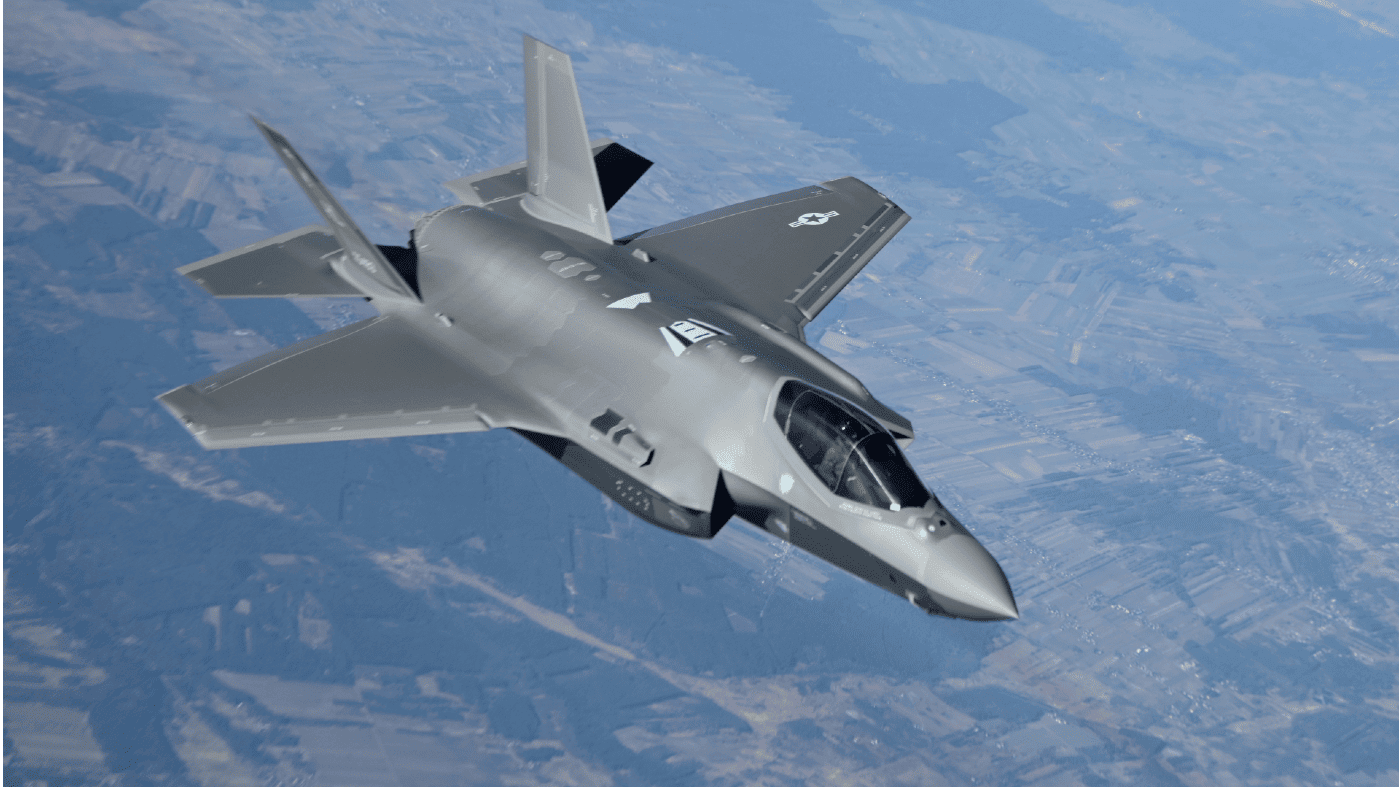
The F-35, a fifth-generation stealth fighter built by Lockheed Martin with a range of roughly 1,200 miles, is among the most advanced aircraft in the world, capable of long-range strikes, intelligence gathering, and drone coordination. Critics argue that allowing Turkey to operate the F-35 alongside the Russian S-400 could expose sensitive U.S. technology to Moscow and Beijing. The Wall Street Journal's editorial board warned that such a move would “let Vladimir Putin conduct target practice on the free world's pilots.”
Trump removed Turkey from the F-35 program in his first term after Ankara purchased the S-400, triggering sanctions under the Countering America's Adversaries Through Sanctions Act (CAATSA). Congress later codified the exclusion in the 2020 National Defense Authorization Act, which bars F-35 transfers unless the administration certifies that Turkey “no longer possesses” the S-400 system.
Despite those legal hurdles, Vice President JD Vance told reporters last month that the Pentagon is reviewing options to comply with U.S. law while potentially resuming sales. “The president has asked us to do that,” Vance said. Trump added, “We will work it out.” However, a senior GOP congressional aide told The Hill that the administration has not notified Congress of any plan to lift CAATSA sanctions.
Representative Sherman, a member of the House Foreign Affairs subcommittee on the Middle East, argued that the law is clear. “As long as Turkey holds on to its S-400s, it is illegal to sell the fighter planes,” he said, adding that even if Turkey disposed of the system, he would remain opposed due to Ankara's occupation of Northern Cyprus and ties to the Muslim Brotherhood. J.C. Lintzenich, former national security aide to Senator Thom Tillis, dismissed proposed workarounds like warehousing the S-400, calling them nonstarters.
The controversy comes amid other Trump administration gestures toward Turkey, including approval of F110 engine sales and resolution of a major sanctions case against Halkbank. As the NATO summit approaches, the F-35 dispute underscores the deep divisions over how to manage a key but contentious ally.