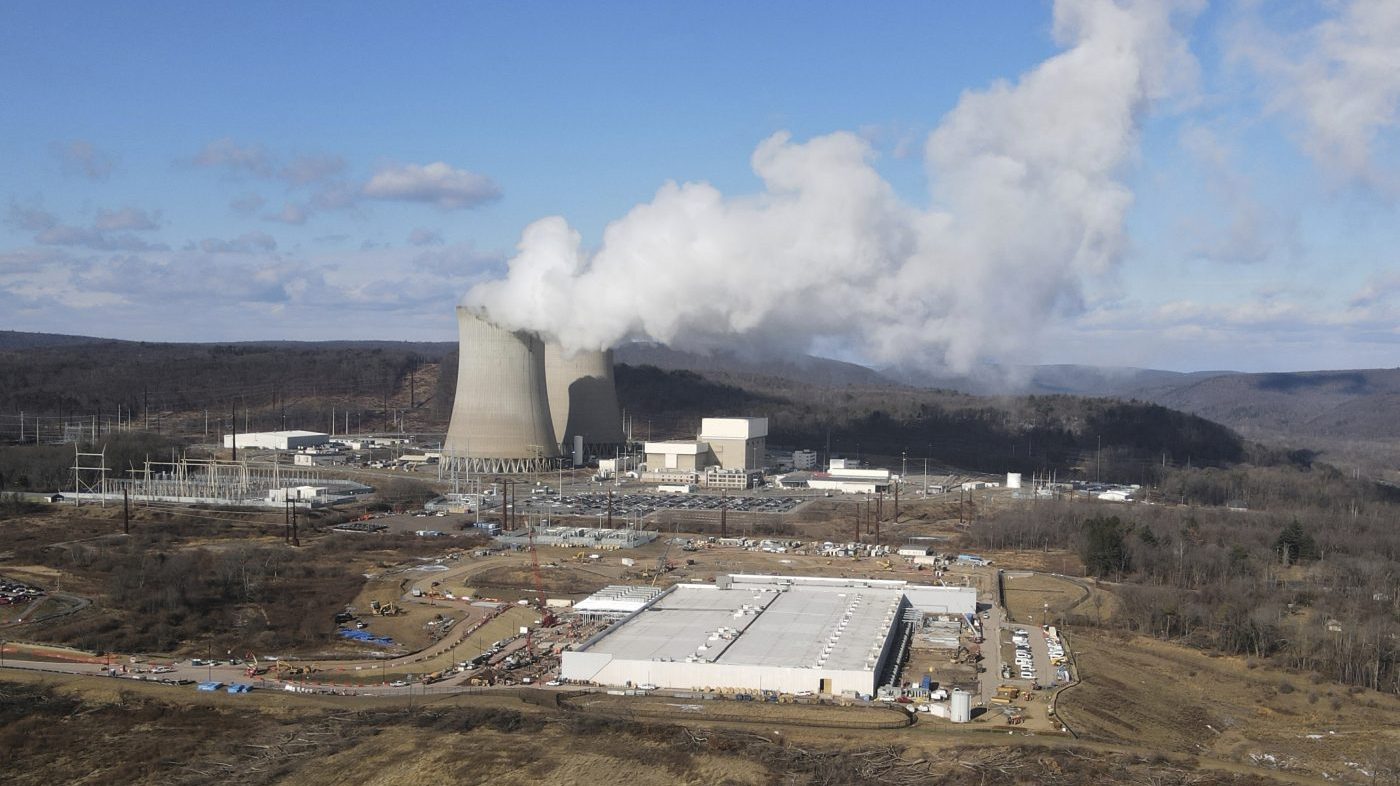
The Nuclear Regulatory Commission (NRC) is pushing forward with a plan to significantly curtail environmental assessments for nuclear reactors, a move that would restrict public participation and exempt certain facilities from full review under the National Environmental Policy Act (NEPA). Announced Wednesday, the proposal marks the latest step in a broader deregulatory agenda aligned with the Trump administration's goal of expanding nuclear power capacity.
The changes would exempt from NEPA review the re-licensing of existing reactors and some new reactor approvals. For projects that still require assessment, the NRC would focus solely on radiological impacts, dropping consideration of other environmental factors like dust, noise, and air pollution that the agency argues fall outside its jurisdiction.
Limiting Public Engagement
NRC Chairman Ho Nieh defended the proposal as a way to streamline licensing and concentrate on issues the agency can actually address. “This will strengthen environmental protection while making licensing reviews more timely and predictable,” Nieh said in a statement. However, critics warn that eliminating draft environmental reviews will cut off a key channel for public education and input.
Edwin Lyman, director of nuclear power safety at the Union of Concerned Scientists, argued the change undermines transparency. “If you don’t do the NEPA evaluations, then the public might not even know or understand how bad things could get,” Lyman said. The proposal also means the public will only have a chance to comment at the outset of the process, before environmental impacts are fully analyzed.
Broader Deregulatory Push
The NRC’s move comes amid other efforts to ease regulations on the nuclear industry. Last week, the agency proposed scrapping a longstanding safety principle that required plants to keep radiation levels “as low as reasonably achievable.” These actions align with the Trump administration’s push to quadruple U.S. nuclear capacity, a goal that has drawn both support from industry and concern from safety advocates.
The proposal has also sparked debate about the role of environmental law in energy policy. Some lawmakers have echoed the administration’s call for faster approvals, while others worry about weakening oversight. The NRC’s plan is now open for public comment, though the window for input is limited under the new framework.
As the NRC advances these changes, the broader political landscape remains contentious. The Trump administration’s energy agenda has faced legal challenges, and similar deregulatory moves in other sectors have been met with lawsuits. Meanwhile, international tensions over nuclear safety persist, with Russia’s nuclear threats in Ukraine adding a layer of urgency to domestic energy debates.
The NRC’s proposal is expected to face scrutiny from environmental groups and some lawmakers, but with the administration’s backing, it may move forward quickly. For now, the agency is positioning the changes as a necessary modernization of a cumbersome process, even as critics warn of diminished public oversight.