Meta, the parent company of Facebook and Instagram, announced Wednesday it will invest more than $9.1 billion to construct its first artificial intelligence data center in Canada, making it the company's largest such facility outside the United States. The massive project, set to rise in Sturgeon County, Alberta, underscores the escalating global race to build AI infrastructure — and the energy demands that come with it.
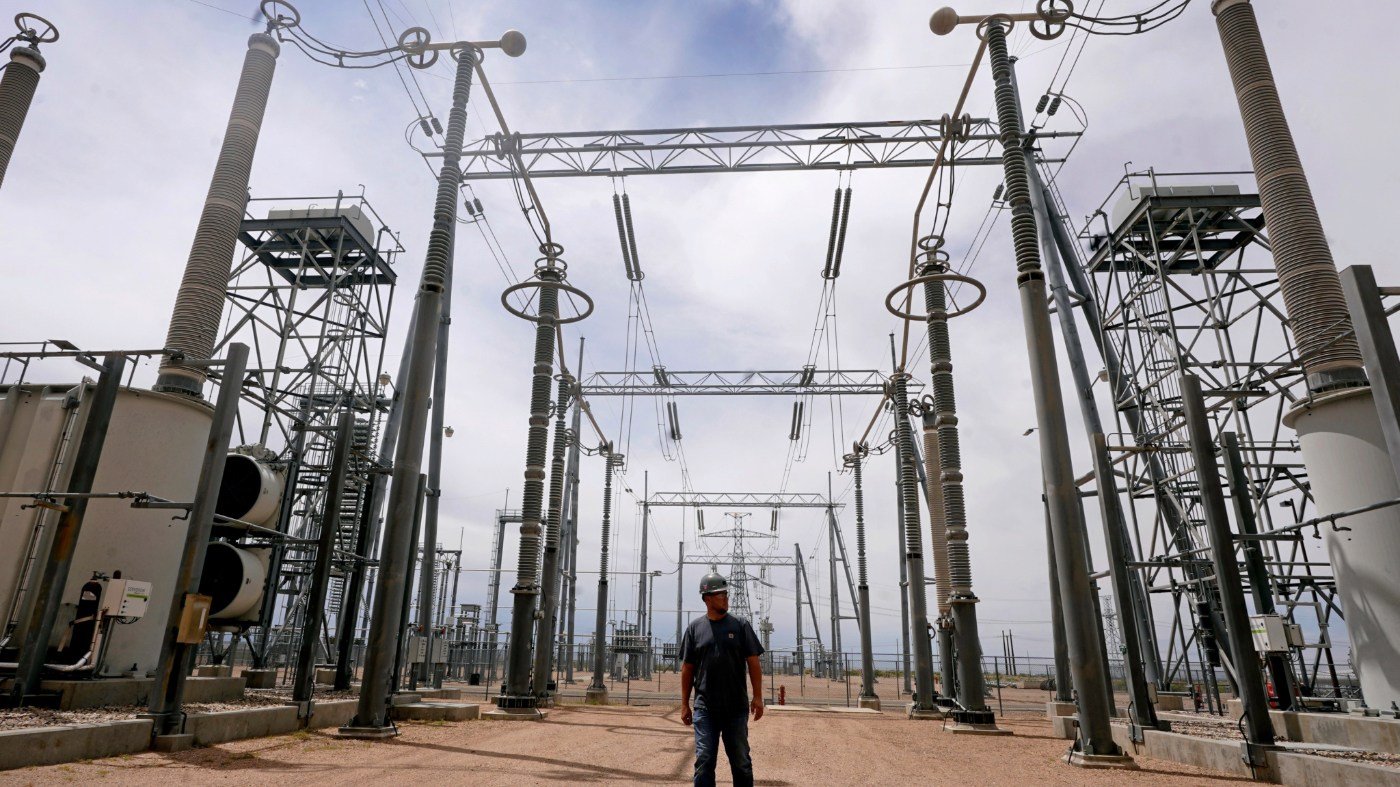
The data center will be powered by a 932-megawatt natural gas-fired plant being developed by a consortium led by Calgary-based Pembina Pipeline Ltd., alongside Morgan Stanley Infrastructure Partners and Kineticor Asset Management. The facility, dubbed the Greenlight Electricity Center, is expected to begin operations in the second half of 2030. Meta was identified as the anchor customer for the power plant, which will be dedicated solely to the data center's operations.
Alberta Technology and Innovation Minister Nate Glubish hailed the project as “a big deal for Alberta,” noting that the province had deliberately crafted a regulatory environment to attract hyperscale data center investment. “We’ve built a framework that makes it easier for these massive projects to land here,” Glubish said in a statement. The province has been aggressively courting data center developers as demand for AI computing power skyrockets.
But the rapid expansion of AI infrastructure has sparked growing concerns about the immense electricity and water consumption these facilities require, as well as the strain they place on local power grids and communities. Alberta’s electricity grid, which is not connected to the broader North American network, cannot currently support multiple large-scale AI data centers. As a result, the province is prioritizing projects that build or secure their own power generation — a condition Meta is meeting with its dedicated gas plant.
Meta has also pledged to use a closed-loop cooling system that will not draw water from surrounding sources, addressing environmental worries that have dogged data center projects elsewhere. Additionally, the company plans to invest $42 million in local infrastructure, including roads and water systems, as part of its community commitments.
The announcement comes amid a broader political and regulatory battle over data center development. In the United States, some lawmakers have pushed for a moratorium on new AI data centers, citing antitrust concerns and rising tech costs. Representative Alexandria Ocasio-Cortez has been a leading voice in that effort, calling for a halt to new facilities while the industry’s impact is studied. Meanwhile, a data center deal in Utah recently led to the ouster of the state Senate president after voter backlash over the project's terms.
Energy demand from data centers has become a flashpoint in the global AI race, pitting developers against environmental advocates and local communities. As countries and companies compete for dominance in artificial intelligence, the infrastructure required to train and run AI models is growing at a breakneck pace, raising questions about sustainability and grid reliability.
For Alberta, the Meta project represents a major economic win, bringing billions in investment and hundreds of construction jobs to a province already rich in energy resources. But it also highlights the tension between economic development and environmental stewardship — a debate that is likely to intensify as more data centers come online.