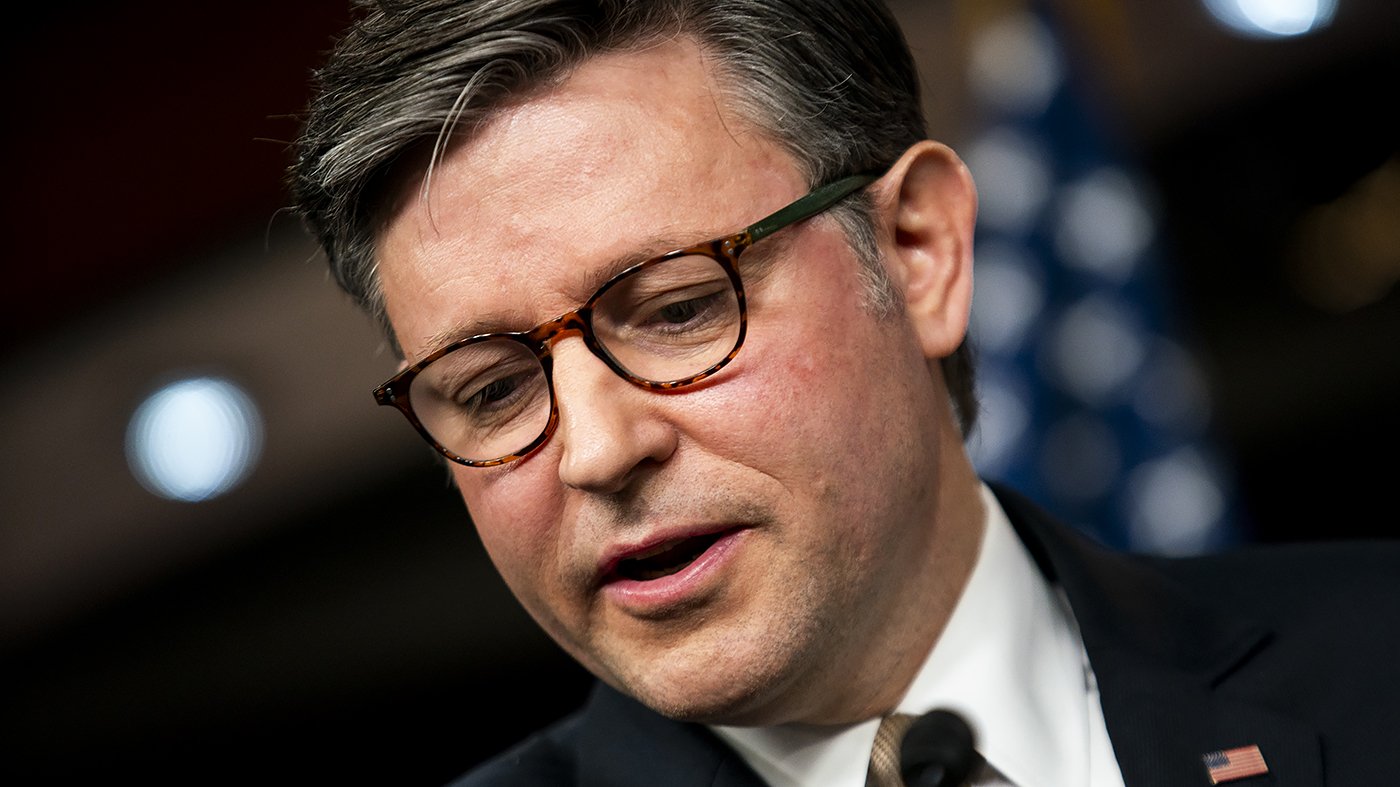
House Republican leaders are planning a packed legislative week as they push to advance a stopgap funding measure, a third budget reconciliation bill, and a congressional stock trading ban before the chamber departs for August recess. The agenda, still fluid, reflects the party's bid to showcase governance wins ahead of the midterm elections.
Reconciliation Bill Faces Internal Skepticism
The House Budget Committee advanced the reconciliation 3.0 package on Thursday, outlining $73 billion for defense and intelligence, $12 billion for agriculture aid, and $10 billion for a program encouraging states to adopt voter ID and proof-of-citizenship requirements—similar to the SAVE America Act. None of this spending is offset, a point of contention among fiscal conservatives.
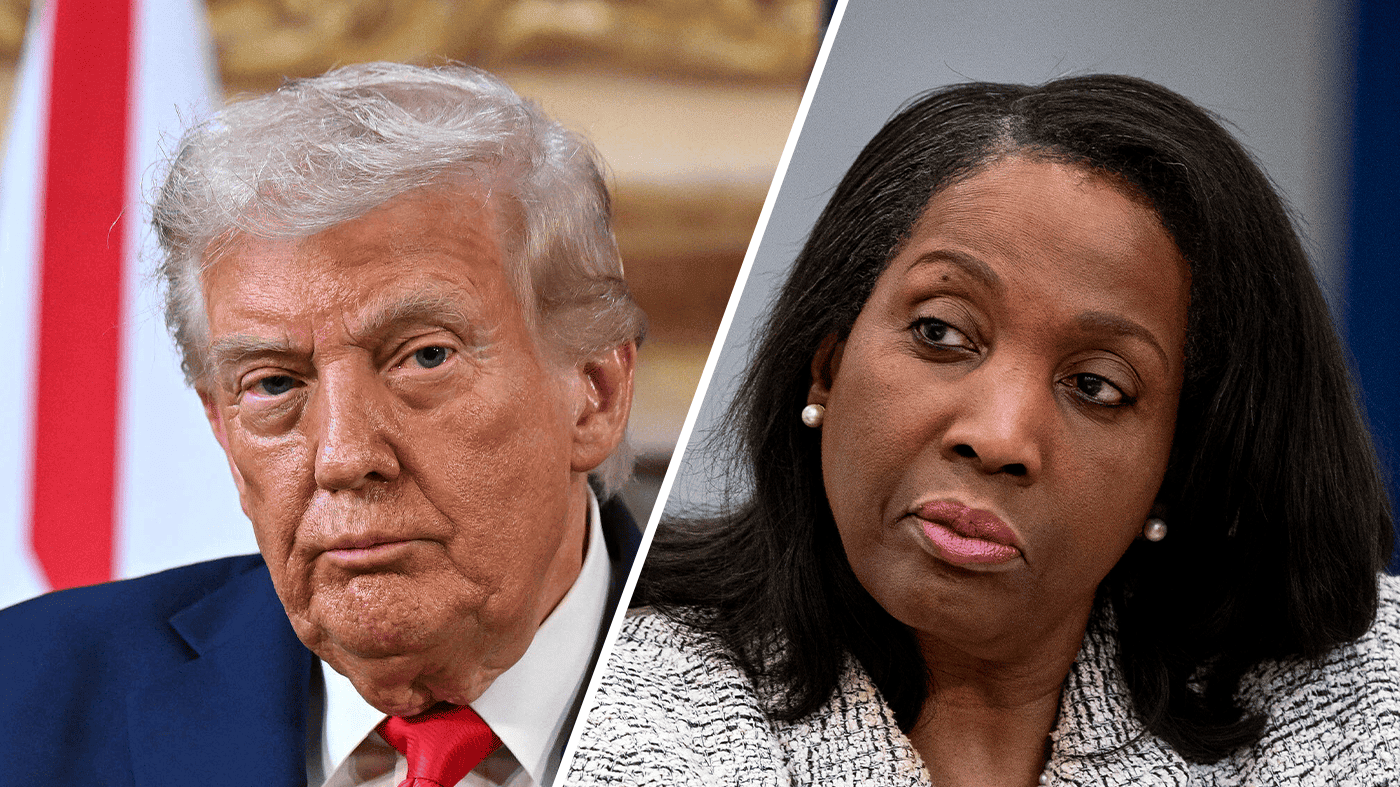
Rep. Warren Davison (R-Ohio) declared the framework "DOA" on social media, highlighting the tight math: Speaker Mike Johnson can afford only three defections on a party-line vote. The bill also faces skepticism in the Senate, where Republicans worry about its narrow scope and lack of offsets. The reconciliation process bypasses the Senate's 60-vote filibuster threshold, allowing GOP-only passage.
Stopgap Funding to Avert Shutdown
Leaders are also eyeing a continuing resolution (CR) to fund the government past the September 30 deadline, wary of a shutdown that could hurt GOP prospects in November. The length and mechanics of the CR remain unclear, with Rep. Eric Burlison (R-Mo.) expressing doubt about Democratic support: "I don't know how they’re going to get that done."
Stock Trading Ban Gains Momentum
The GOP-backed Stop Insider Trading Act, which cleared the House Administration Committee last month, would bar members, spouses, and dependent children from purchasing new stocks while allowing them to hold existing ones. Democrats argue the bill is too weak, but Republicans see it as a popular issue that could bolster their midterm messaging.
NDAA and SAVE Act Tensions
Republican leaders also want a second try at passing the National Defense Authorization Act (NDAA), which was derailed last month by rebels pushing for the SAVE America Act and immigration measures. A rule for the NDAA is expected to merge it with the SAVE Act as it heads to the Senate. Pro-SAVE Act lawmakers like Reps. Anna Paulina Luna (Fla.) and Tim Burchett (Tenn.) initially argued the tactic didn't go far enough but have since supported its use on appropriations bills.
The internal fissures over reconciliation and the broader legislative strategy underscore the challenges Johnson faces in uniting his conference. With time running short, the fate of these measures remains uncertain.