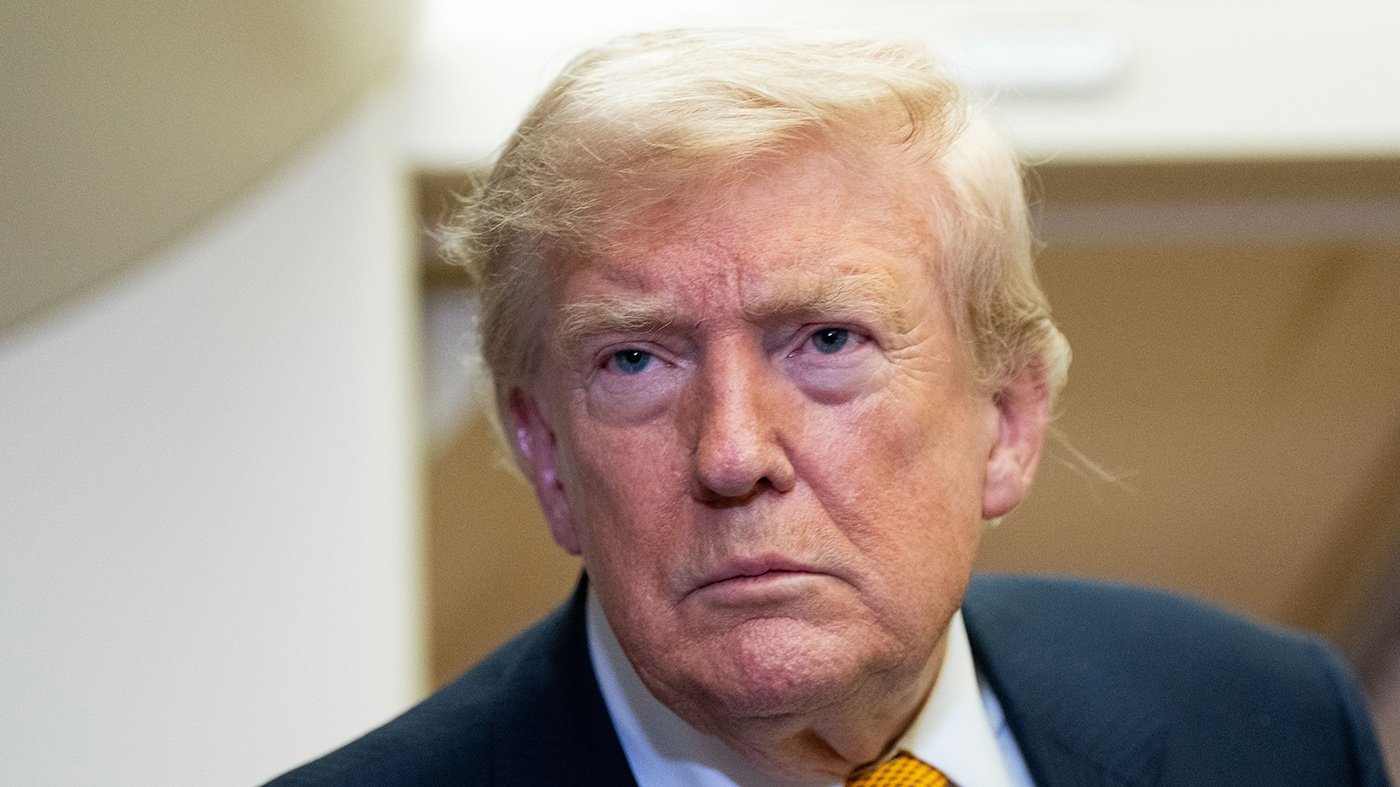
President Donald Trump announced Wednesday evening that Iran has released an American citizen who had been detained since December 2024, describing the move as a goodwill gesture amid escalating U.S.-Iran tensions over control of the Strait of Hormuz.
In a post on his Truth Social platform, Trump wrote: “Iran has allowed an American Citizen, who was wrongfully detained in December of 2024 under the ‘presidency’ of Sleepy Joe Biden, to leave the Country. She is now safely outside of Iran, and in good condition.” He added, “The United States of America appreciates this gesture of Goodwill by Iran!”
The freed individual was later identified as Dena Karari by her attorney Jared Genser on X. Genser stated that Karari had been trapped in Iran since December 2024 “on bogus charges” and that her release “would not have happened but for the extraordinary and relentless efforts” of President Trump. He confirmed, “Dena is now safe and traveling back to the United States.”
This diplomatic development comes as the Trump administration reimposes a naval blockade on the Strait of Hormuz following a series of exchanges with Tehran last weekend. On Monday, Trump declared, “The Hormuz Strait is OPEN, and will remain OPEN, with or without Iran. We are reinstating the THE IRANIAN BLOCKADE, so named because it is only stopping Iran’s ships or customers from entering or leaving.” He asserted that “all other countries will have fair and open use of the Strait” and called the U.S. “the Guardian of the Hormuz Strait.”
The president has ruled out immediate negotiations with Iran’s current leadership. In a Fox News interview Tuesday, Trump described the Iranian government as “evil” and characterized the new Iranian delegation as “the ones that are stopping a deal.” The administration’s hardline posture follows a period of weighing the risks of a full-scale conflict with Iran, including potential economic and political fallout.
However, the escalating military engagement appears to be losing public support. A recent Economist/YouGov poll found that 55 percent of respondents believe the United States should stop attacking Iran, signaling a potential political vulnerability for the White House as it continues its campaign.
The release of Karari may offer a brief reprieve in bilateral tensions, but the underlying confrontation over the Strait of Hormuz—through which a significant portion of global oil shipments pass—remains unresolved. The situation continues to draw scrutiny from lawmakers and international observers alike, with Democrats pressing for a clearer strategic vision. Senator Chris Van Hollen recently argued that Democrats must sell a vision, not just oppose Trump on foreign policy and other fronts.
For now, the administration is framing the release as a diplomatic win, even as it prepares for further military and economic measures against Tehran.