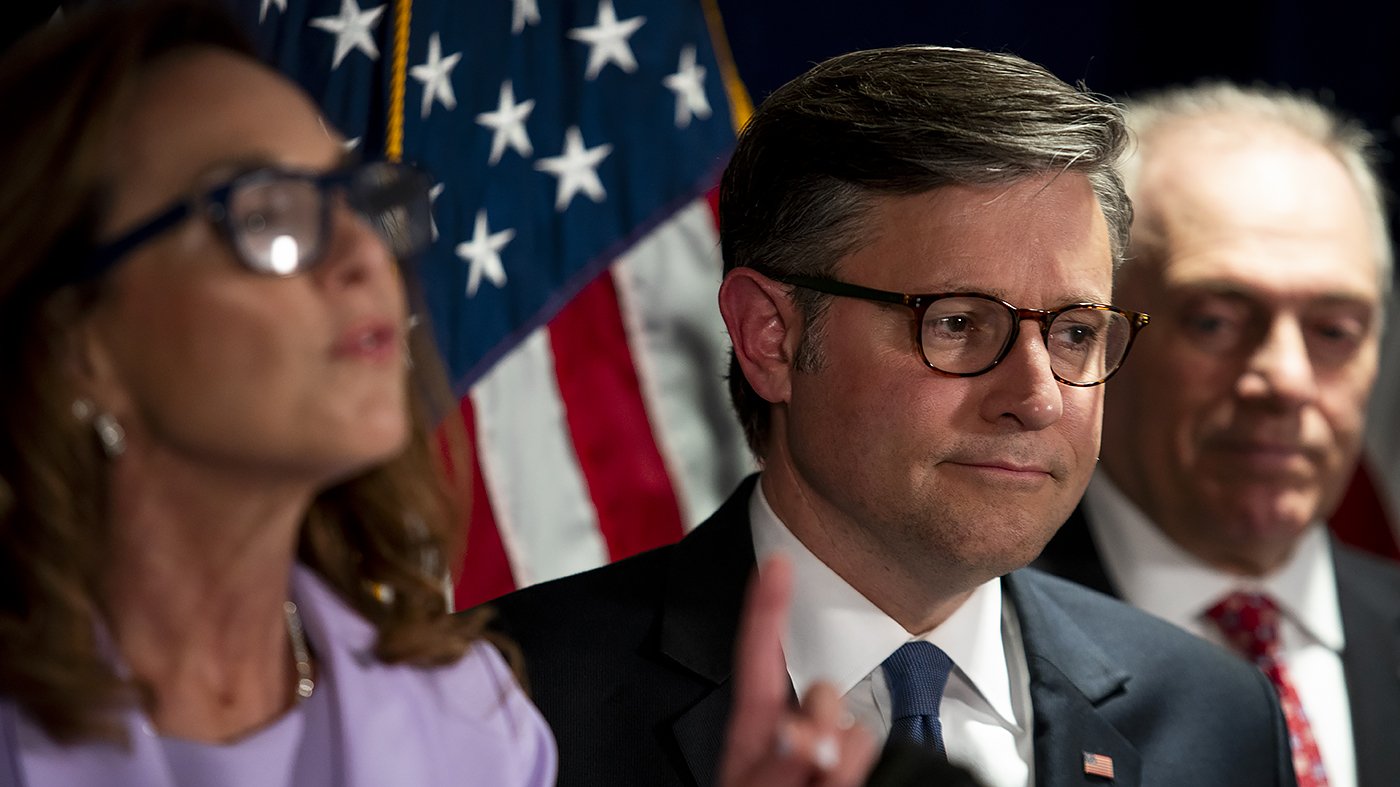
House GOP leadership is working frantically to bring a third budget reconciliation bill to the floor by week's end, hoping to cement a legislative win before the midterm campaign season accelerates. The effort, however, is already straining under competing pressures from President Trump, fiscal hawks, and swing-district members wary of political fallout.
Speaker Mike Johnson (R-La.) announced Tuesday that the House Budget Committee will meet Thursday to mark up the so-called reconciliation 3.0 package. The timeline follows a Monday meeting at Camp David where Johnson, committee members, and White House officials attempted to hammer out a deal. But details remain closely guarded, and the bill's contents are still in flux.
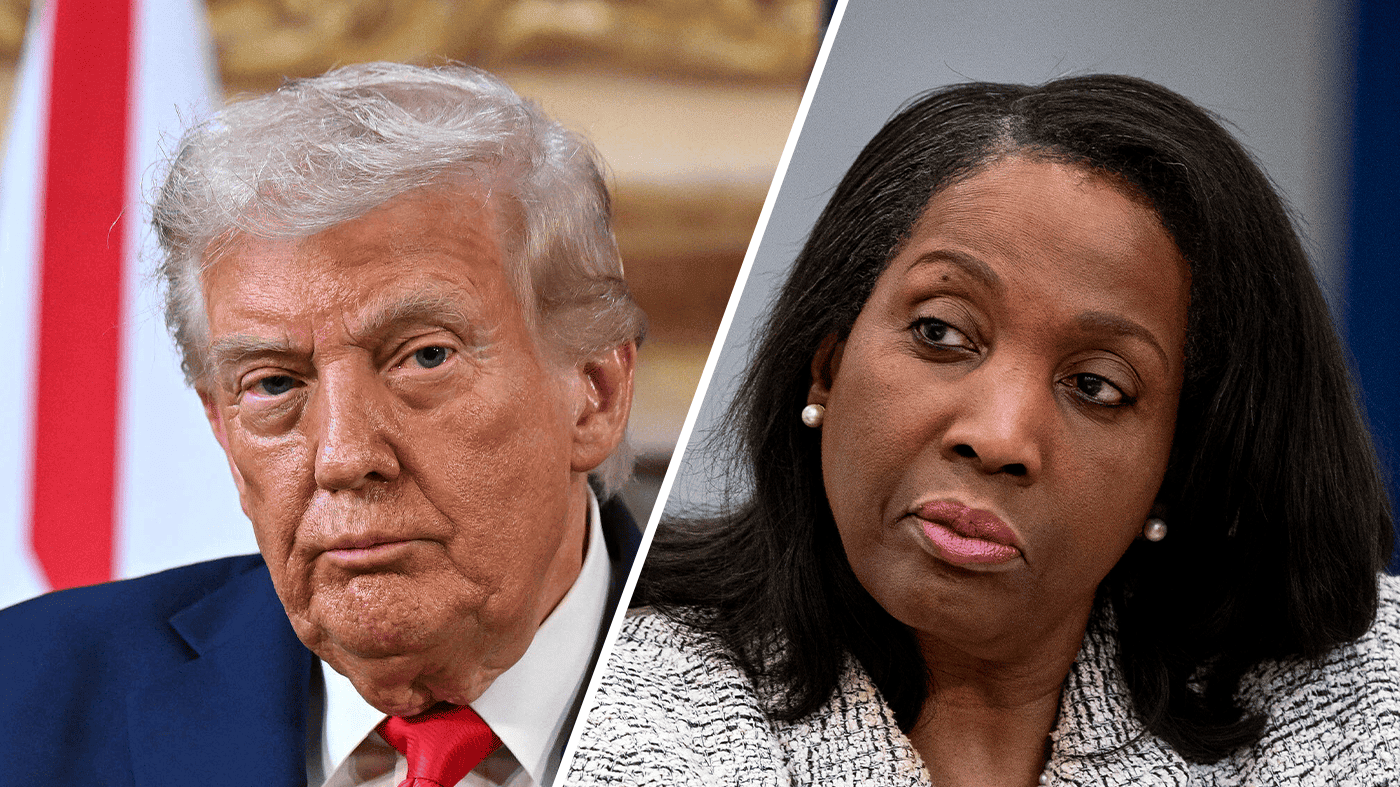
The package is expected to include a significant boost to Pentagon spending—potentially $350 billion, as requested by the White House amid the ongoing conflict with Iran—along with a grant program designed to encourage states to adopt voter ID and other election integrity measures inspired by the Safeguard American Voter Eligibility (SAVE America) Act. It may also target fraud in federal programs.
Fiscal conservatives on the Budget Committee are demanding that any new spending be fully offset by cuts elsewhere. Representative Jodey Arrington (R-Texas), the panel's chair, acknowledged the challenge, calling the bill a “work in progress” that will continue to evolve during markup. “We’ve been very close to having text ready, but it’s subject to change,” Arrington said.
That caution reflects the same internal friction that complicated the earlier One Big Beautiful Bill Act. Representative Erin Houchin (R-Ind.), a committee member, publicly expressed frustration after being excluded from the Camp David talks. In a post on X, she said she has “serious concerns” about the current framework and insisted the party must “get this right.”
The defense spending question is a central flashpoint. While Trump and the Pentagon advocate for the $350 billion increase—citing depleted munitions from the Iran war—some Republicans are uneasy about the lack of offsets. Representative Randy Fine (R-Fla.) said he doesn’t want to add to the deficit but will evaluate the full package. “I think you have to see what we get in return for that,” he noted.
House Freedom Caucus policy chair Chip Roy (R-Texas) signaled a willingness to bend, provided the defense increase is “reasonably targeted” and tied to progress on the SAVE America Act. “People like me want to pay for everything,” Roy said, “but with a three-seat majority, you got to figure out how to move.”
Others, like Representative Nick LaLota (R-N.Y.), argue that full offsets are unrealistic given the scale of the request. “No way you’re going to be able to offset 60, 80, 100 billion dollars altogether,” he said, stressing the need to prioritize military readiness.
Johnson is also pushing a grant program as a workaround to the Senate’s Byrd Rule, which restricts what can be included in reconciliation bills. But hard-liners like Roy insist the voter integrity measures must be mandatory, not merely incentive-based. “What we send over has got to be pretty well iron-proof,” added Representative Ralph Norman (R-S.C.), echoing the sentiment that the bill must deliver concrete results.
The broader political stakes are high. With a razor-thin majority and midterms approaching, GOP leaders are trying to balance Trump’s demands, fiscal discipline, and the electoral vulnerability of swing-district members. As Johnson and his team prepare for Thursday’s markup, the path forward remains uncertain—and the clock is ticking.