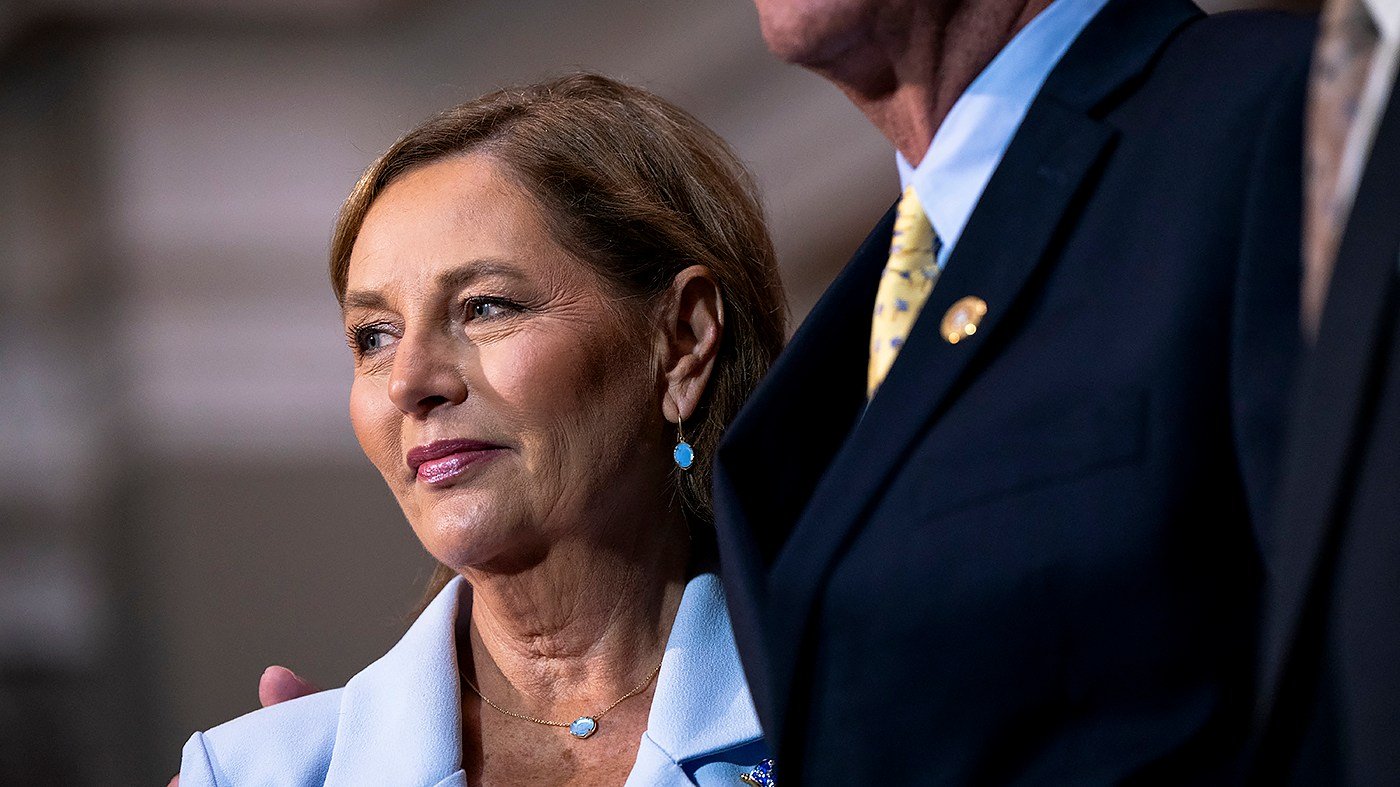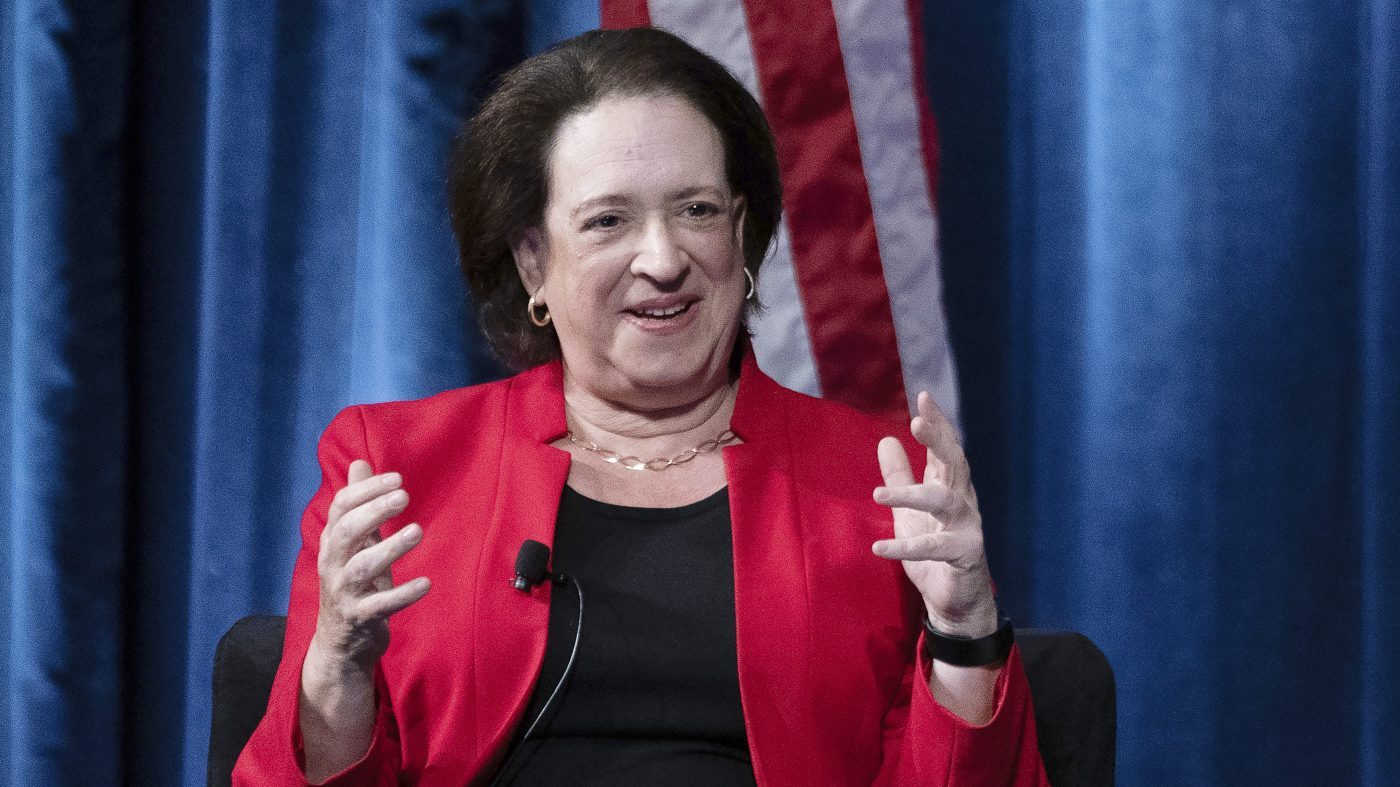
Supreme Court Justices Elena Kagan and Amy Coney Barrett testified before the Senate Appropriations Committee on Tuesday afternoon, defending the high court’s $225 million budget request for fiscal 2027. The hearing, which began at 2 p.m. EDT, comes as the justices face mounting pressure over judicial security and technological vulnerabilities.
The duo had earlier appeared before the House Appropriations Committee, where a key focus was the $14.6 million increase requested to bolster security for justices and their families. This comes amid a surge in political threats: the U.S. Marshals Service has recorded more than 370 threats to federal judges so far this year, underscoring the volatile environment surrounding the judiciary.
Kagan and Barrett also emphasized the need for additional cybersecurity personnel to address risks tied to the expansion of artificial intelligence, which could expose the court to new forms of digital attacks. The request reflects broader concerns about protecting sensitive judicial data and maintaining the integrity of court operations.
The hearing is part of a broader push by the judiciary to secure funding for critical infrastructure. Earlier this year, Kagan and Barrett requested $9.7 billion for federal courts in the 2027 budget, a figure that includes funding for security, technology, and personnel across the entire judicial branch.
The Senate panel is expected to scrutinize the budget request closely, especially amid ongoing debates about judicial independence and the role of the courts in politically charged cases. Recent Supreme Court rulings have undermined the case for multi-member agencies, adding to the political tensions surrounding the judiciary.
Security concerns have been a recurring theme in recent congressional hearings. The rise in threats has prompted calls for enhanced protection, but some lawmakers question the cost. The justices’ testimony is expected to address these concerns directly, emphasizing the need for robust security measures without compromising the court’s independence.
The hearing also touches on broader issues of judicial safety, as immigration courts have faced gutting under due process attacks, with judges fired and replaced by deportation officers, further straining the system.
As the hearing proceeds, observers are watching for any signals on how the court plans to navigate the intersection of security, technology, and its constitutional role. The budget request, if approved, would mark a significant investment in the court’s infrastructure, reflecting the evolving challenges facing the judiciary in a polarized political climate.