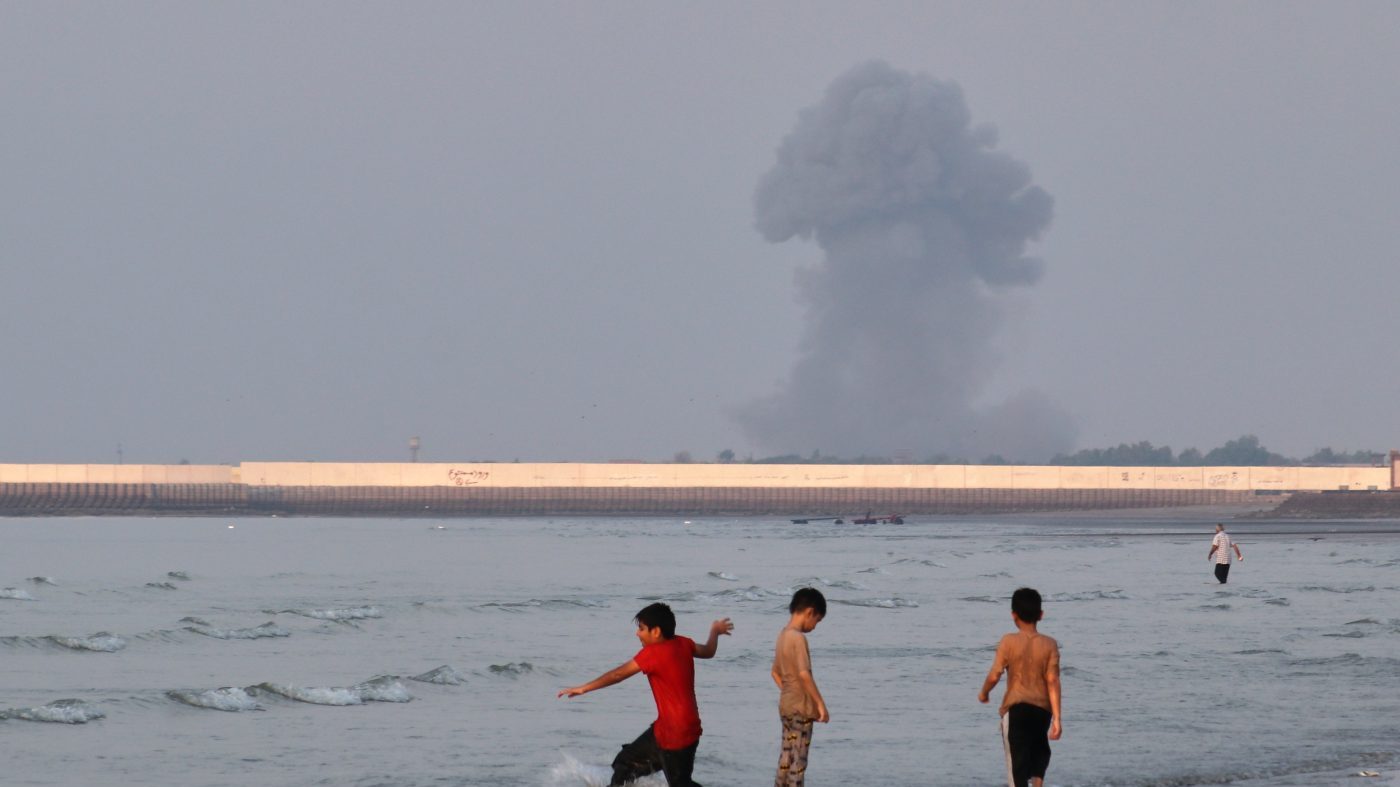
The United States and Iran engaged in direct military exchanges early Tuesday, hours after President Donald Trump declared the U.S. would reimpose a naval blockade on the Strait of Hormuz and begin charging a 20 percent toll on all commercial traffic through the waterway. The confrontation marks a sharp escalation in a monthslong conflict that has already strained global energy markets and tested the limits of a nascent peace framework.
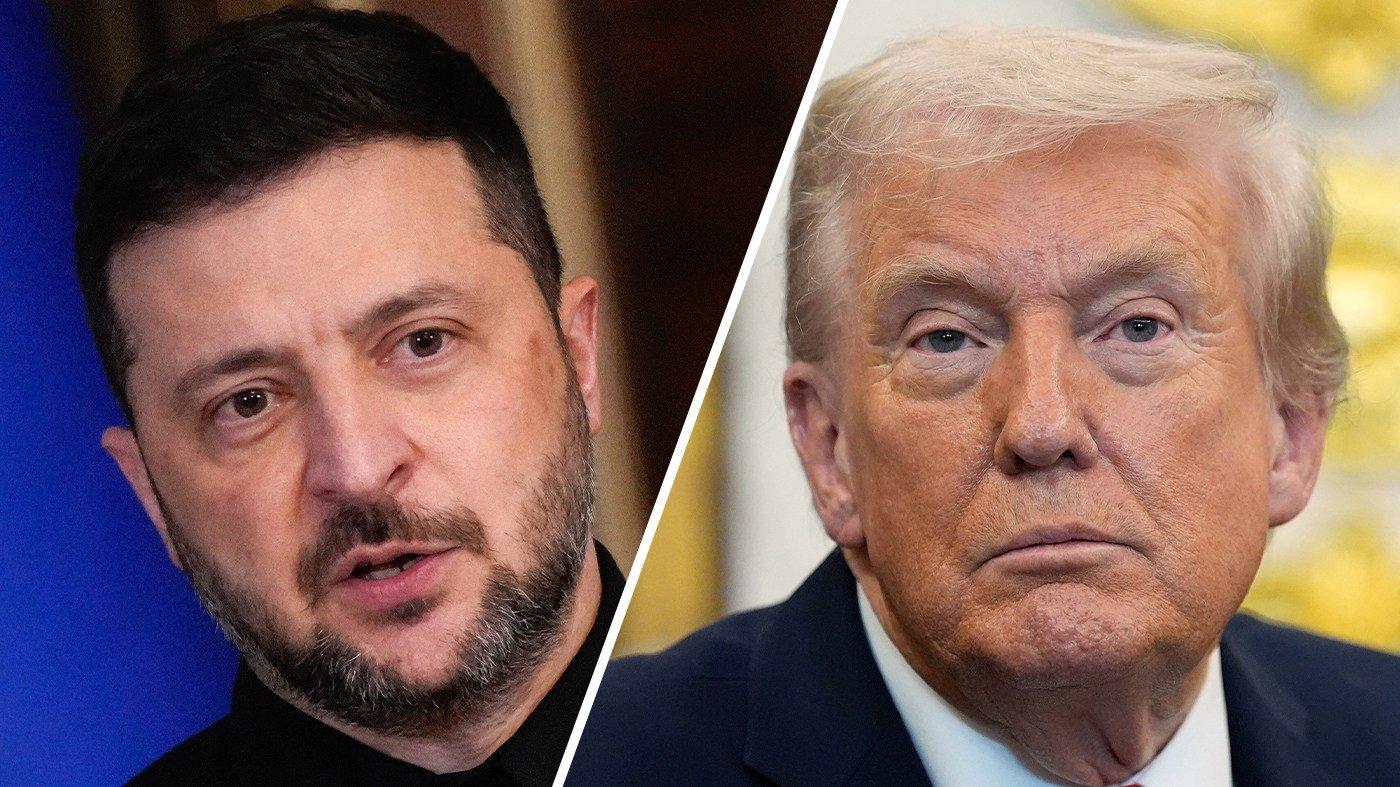
Trump announced the policy shift Monday morning via Truth Social, insisting the strait “will remain OPEN, with or without Iran.” He framed the toll as a reimbursement for U.S. security operations, writing that the U.S. would henceforth be known as “THE GUARDIAN OF THE HORMUZ STRAIT” and would charge a 20 percent levy on all cargo shipped through the passage. “As a matter of FAIRNESS,” the president wrote, the U.S. would be reimbursed for “any and all costs necessary to do the job of providing safety and security to this very volatile section of the World.”
U.S. Central Command (Centcom) reported that its latest round of strikes against Iranian targets lasted five hours, concluding Monday evening at 10:15 p.m. EDT. The command said it used precision munitions to strike Iranian coastal defense systems, missile and drone sites, and maritime capabilities, aiming to “further degrade Iran’s ability to attack commercial shipping.” More than 50,000 U.S. service members are currently stationed in the Middle East, according to Centcom.
Iran retaliated swiftly. The Islamic Revolutionary Guard Corps (IRGC) claimed responsibility for strikes on two tankers belonging to the United Arab Emirates, killing one person and injuring eight others. The IRGC labeled the vessels “non-compliant” without providing further details. State media also reported that the paramilitary force targeted weapons storage facilities, a satellite communications hub, and U.S. military housing at a base in Bahrain.
The Strait of Hormuz, through which roughly one-fifth of the world’s daily oil consumption passes, has become a central flashpoint in the broader U.S.-Iran conflict. Both nations have asserted claims over the waterway, leading to stalled trade and spiking energy prices. Rising fuel costs in the United States have squeezed American households and intensified political pressure on the Trump administration to end the war.
The new hostilities threaten to unravel the framework peace deal that both sides reluctantly adopted last month. Critics have accused Trump of having no coherent strategy, as he doubles down on the Hormuz blockade while demanding that Gulf states pay for U.S. protection. Trump has also signaled potential strikes on Iran’s deeply buried nuclear site, raising fears of an even wider conflagration.
The economic fallout is already being felt at home. Federal Reserve Chair Warsh faced a grilling in the House this week over how the Iran war is biting the U.S. economy, as investors and consumers alike grapple with uncertainty. The administration’s approach has drawn sharp criticism from both Democrats and some Republicans, who warn that unilateral action in the strait could isolate the U.S. internationally and further destabilize the region.
As the conflict escalates, the fate of the peace deal hangs in the balance. Both Washington and Tehran have shown little appetite for de-escalation, and the latest exchange of fire suggests that the path to a negotiated settlement remains strewn with obstacles. For now, the Strait of Hormuz remains a powder keg—and the world is watching.