Lawmakers on both sides of the aisle are pressing for swift passage of a Russia sanctions package that the late Sen. Lindsey Graham (R-S.C.) championed, viewing it as a tribute to the senator who died unexpectedly over the weekend. Graham had announced a breakthrough on the legislation just hours before his death, revealing that negotiators had secured a deal with the White House to advance the long-stalled measure.
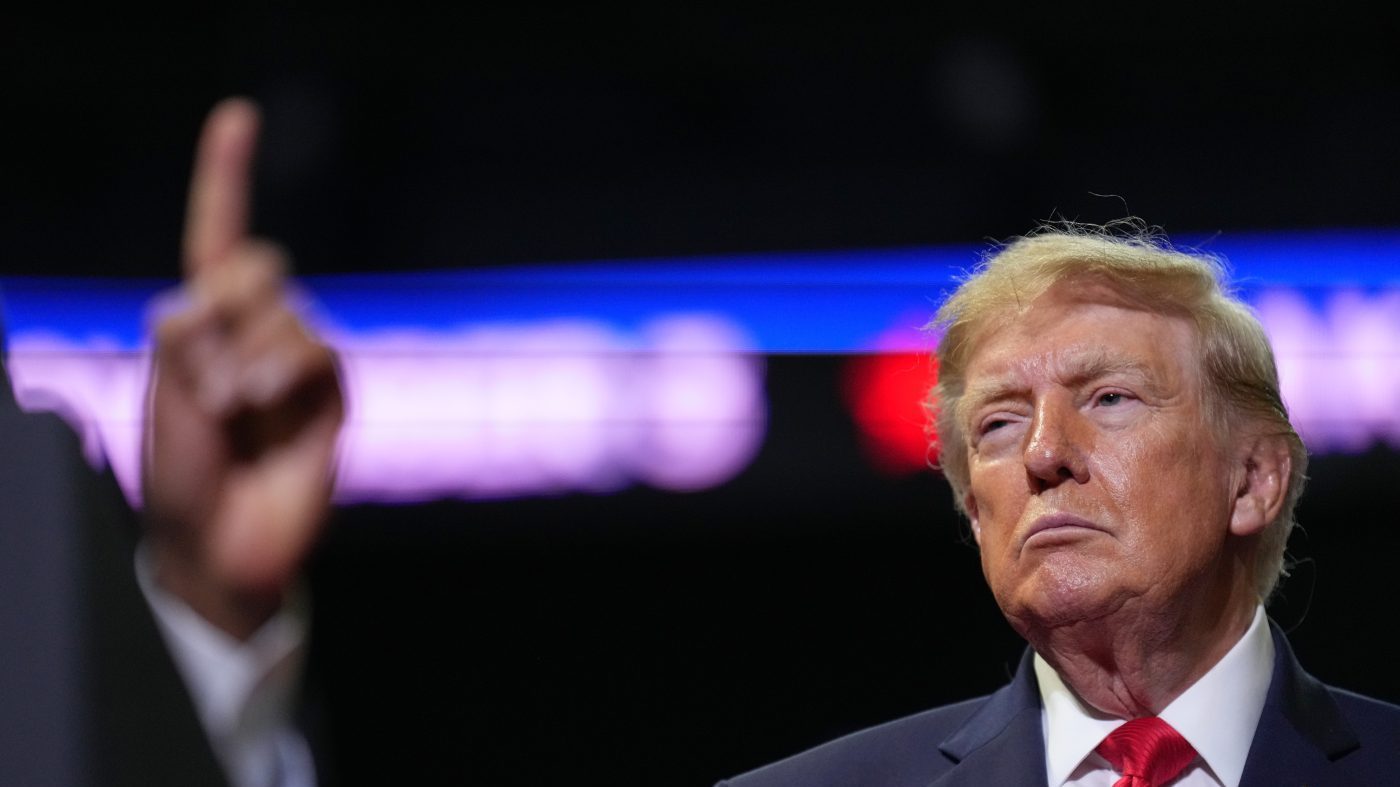
A White House official confirmed to The Hill that President Trump supports the bill, marking a shift from earlier resistance. Senate Majority Leader John Thune (R-S.D.) told reporters Monday that advancing the legislation would be "a great legacy, great tribute to Lindsey," though he noted the bill must first clear relevant committees. "We'll run some of the traps with the relevant committees of jurisdiction," Thune said, adding that leadership is gauging member feedback and Democratic support.
Bipartisan Call for Action
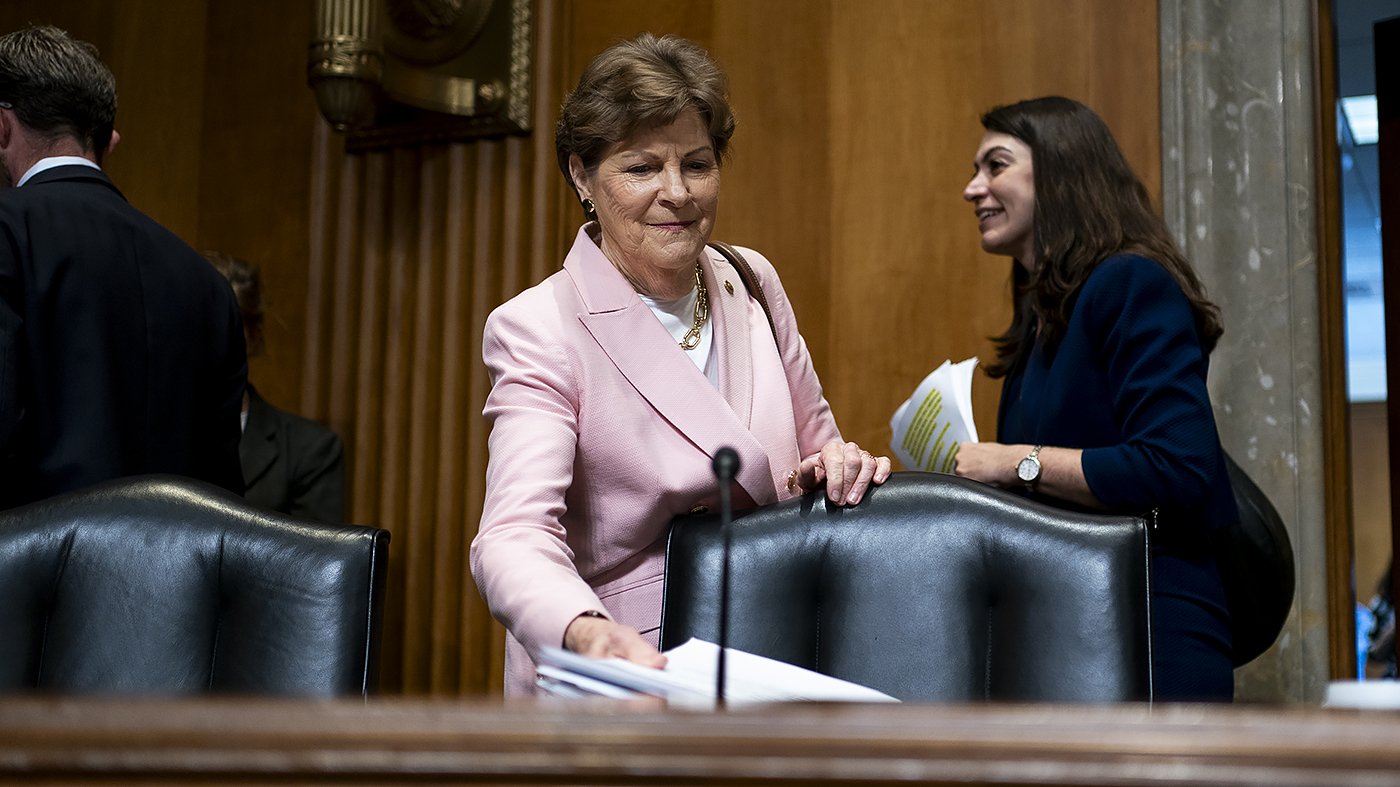
Sen. Jeanne Shaheen (D-N.H.), ranking member of the Senate Foreign Relations Committee, called the bill a "fitting memorial" to Graham's work. "There can be no more fitting memorial to Lindsey, his legacy, or the causes he fought for, than to pass this legislation and realize his long-held dream of an independent and secure Ukraine," she said in a statement. Shaheen was part of the bipartisan group, including Graham, that finalized the White House deal on Friday.
The legislation, originally introduced in April 2025, stalled as Trump pursued negotiations with Russian President Vladimir Putin to end the war. Thune had previously argued that passing the bill could undermine Trump's bargaining position. Renewed momentum emerged in December, but Democrats raised concerns over provisions granting the president sweeping tariff powers amid a pending Supreme Court case, as well as a waiver that could weaken sanctions before they took effect.
But Trump's stance has shifted as Putin's military struggles mount and Ukraine seizes battlefield initiative. Last week, alongside Ukrainian President Volodymyr Zelensky at the NATO summit in Ankara, Turkey, Trump endorsed Ukraine's use of long-range strikes inside Russia and announced plans to allow co-production of Patriot interceptors—a significant step deepening U.S.-Ukraine ties. The shift comes as Putin's economy strains under war costs and existing sanctions.
Expanded Sanctions and Strategic Shift
The updated 2026 version, titled the Sanctioning Russia Act of 2026, is double the length of the 2025 bill—61 pages versus 31—and includes key changes. It mandates sanctions on Russia rather than making them conditional on peace negotiations, reflecting growing U.S. establishment skepticism of Kremlin good faith, according to Maria Snegovaya, a senior fellow at the Center for Strategic and International Studies. The bill also codifies existing executive order sanctions, making it harder for future presidents to revoke them unilaterally. It requires a congressional report before any sanctions are lifted and tightens waiver authority.
The legislation imposes secondary sanctions on countries that facilitate sanctions evasion or purchase significant Russian oil or gas, with a tariff ceiling of 100 percent—down from the 500 percent initially proposed but still substantial, Snegovaya noted. It also targets Russian liquefied natural gas products and expands comprehensive sanctions.
Ukraine advocacy groups have mobilized, urging members to press lawmakers for passage. The American Ukraine Committee wrote to supporters: "Legislative windows in Washington open rarely, and they close quickly. Senator Graham understood that peace is not achieved by waiting. It is achieved by raising the cost of aggression until aggression stops. There can be no better way to honor a man who spent his final days fighting for this bill than to finish the work he started."
Graham's death has also triggered a scramble for his South Carolina Senate seat, with Trump backing his sister, Darline Graham Nordone, as a successor. As Congress debates the sanctions bill, the political landscape shifts amid growing desperation in Putin's war effort and the legacy of a senator who made Ukraine a central cause. Thune, visibly emotional on the Senate floor, remembered Graham as a tireless advocate. The bill's fate now rests on committee reviews and bipartisan coordination, but supporters see a narrow window to act.