Vladimir Putin's calculus is growing darker by the day. The Russian leader, facing an unwinnable war in Ukraine, is increasingly eyeing a dangerous escalation: a limited assault on a NATO member state in the Baltics, followed by a nuclear ultimatum to force a settlement on Moscow's terms. The move, once unthinkable, is now being openly discussed among analysts as a plausible next step.
Four converging pressures are driving this risk. First, the war in Ukraine has become a meat grinder. With an estimated 1.2 million Russian casualties and monthly losses averaging 35,000, the "special military operation" has devolved into an attritional stalemate. Even pro-war Russian bloggers warn that another partial mobilization of 300,000 men would only yield more corpses without changing the battlefield dynamic. A technological breakthrough—promised by Putin—has not materialized, and Ukrainian drones continue to dominate the skies.
Second, Russia's economy is buckling. After flirting with recession for most of 2025, the economy shrank in the first quarter. Energy revenues, once the backbone of the war effort, can no longer sustain the estimated $900 million daily cost of the conflict, which now consumes 70% of the budget. Inflation is running at 5% officially, but prices for staples like bread and chicken have surged to double that. A 14.25% interest rate is crushing the civilian sector, while Ukrainian drone strikes on major oil refineries have slashed gasoline production by over a quarter. Rationing and long lines at gas stations are now common even in Moscow.
Third, domestic discontent is rising. For the first time, even Kremlin-approved pollsters have recorded a dip in Putin's popularity. The bombing of Moscow and St. Petersburg embarrassed the regime, forcing a scaled-down Victory Day parade. Weeks of drone attacks have crippled transport and power systems in occupied Crimea, leading to a state of emergency. The social contract Putin once relied on—support the war and be shielded from its consequences—is fraying fast.
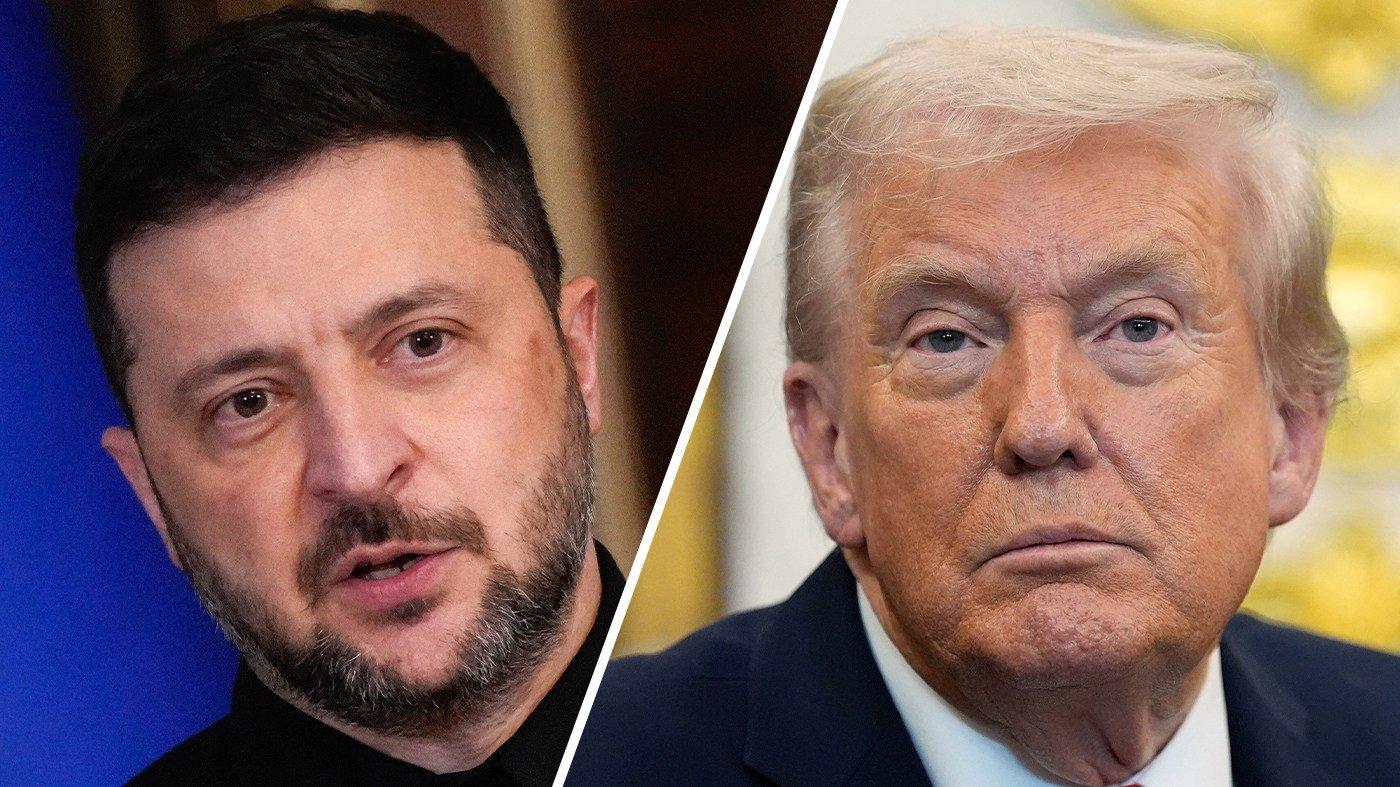
Fourth, the unique opportunity presented by the Trump White House cannot be ignored. President Trump's ambivalence toward NATO, his public berating of President Zelensky, and his warm treatment of Putin have signaled a willingness to blur the lines between aggressor and defender. Trump has at times appeared to accept Putin's claim that Ukraine started the war, and his administration's reluctance to distinguish just wars from wars of aggression has emboldened the Kremlin. As Trump softens NATO's stance on Ukraine and troop levels, the alliance's deterrent credibility is under strain.
The Baltics, particularly Estonia and Latvia, are tempting targets. Both have significant ethnic Russian populations—one-fifth and one-fourth, respectively—and are seen as vulnerable. Russian intelligence has already begun laying the groundwork for a false flag operation, claiming Ukrainian drone operators are in Latvia preparing strikes. The Russian ambassador to the UN, Vasily Nebenzya, warned his Latvian counterpart that any NATO "protection" would be meaningless if Latvia "provoked" Russia's response.
A likely scenario: Russia would use drones and missiles to destroy runways and the Warsaw-Kaunas railway, NATO's only rail link to the Baltics. The alliance's 40,000-strong Allied Reaction Force would take days or weeks to deploy key assets, and any response would require unanimous approval from all 32 NATO heads of state under Article 5—a process that could be paralyzed by political wrangling.
Putin is not seeking a full-scale conventional war with NATO, which vastly outmatches Russia. Instead, he would aim to seize a small patch of territory—Ida-Viru county in Estonia (1,150 square miles, 75% ethnic Russian) or Latgale province in Latvia (5,600 square miles, one-third Russian). After a sham referendum, the area would be "accepted" into Russia, and Putin would invoke Article 18 of Russia's military doctrine, which permits nuclear use if the state faces a "critical threat." This nuclear bluffing, as Putin's nuclear bluffing escalates with Russian losses, could force NATO into a humiliating retreat or a catastrophic confrontation.
The odds of such a gamble are rising. With the war in Ukraine grinding on and domestic pressures mounting, Putin may see no other way out. The question is whether NATO—and the Trump White House—will call his bluff or blink first.