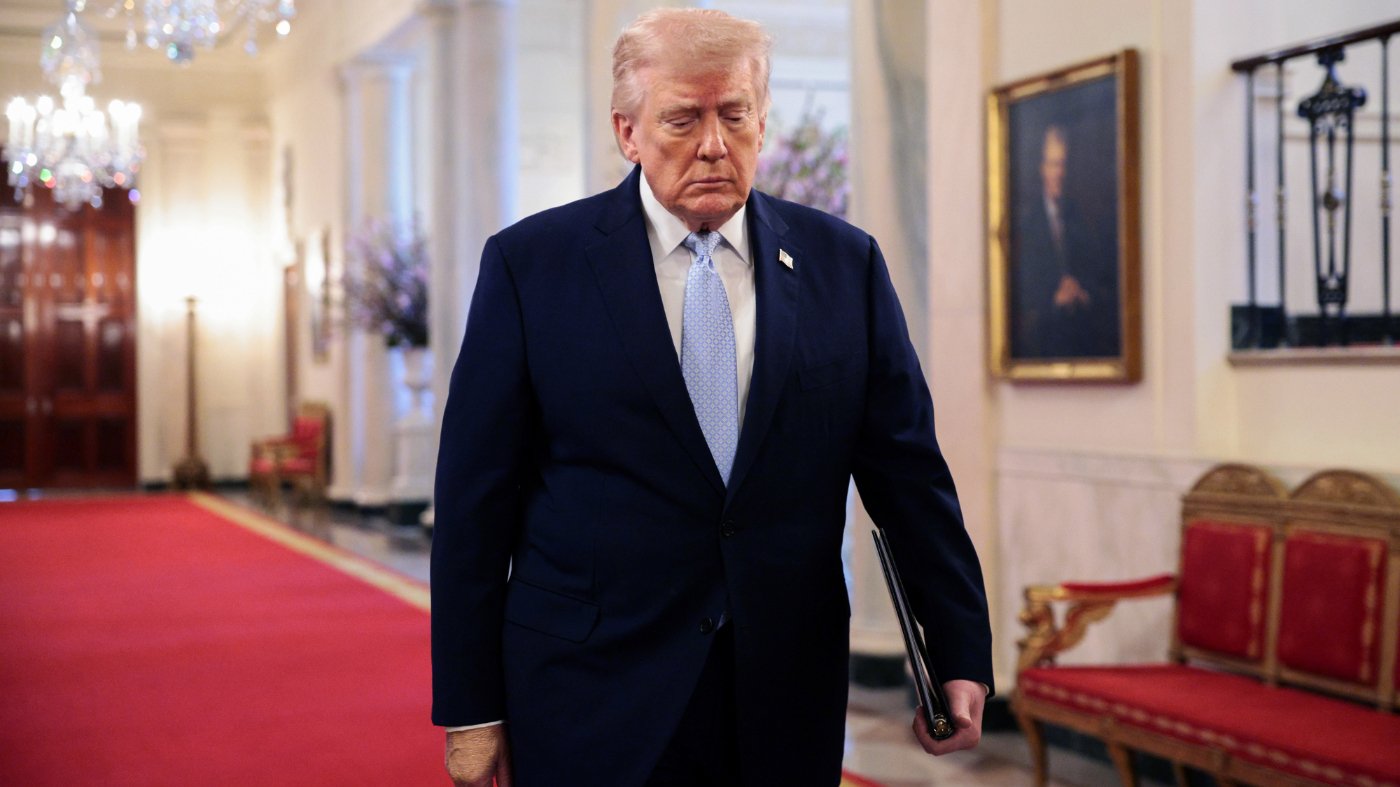
President Donald Trump on Monday floated a plan to impose a 20% toll on all vessels transiting the Strait of Hormuz, arguing the United States deserves compensation for safeguarding the strategic waterway. The proposal aims to revive international oil shipments that have plummeted amid ongoing U.S.-Iran hostilities and the threat of naval attacks.
Speaking from the White House, Trump described the U.S. as the “guardian” of the strait, which before the conflict carried roughly one-fifth of the world’s daily oil supply. He said the fee would “reimburse” American taxpayers for the cost of military patrols and minesweeping operations. The announcement comes as shipping levels remain depressed due to Iranian strikes in open waters and a prior U.S. naval blockade.
Legal and Practical Hurdles
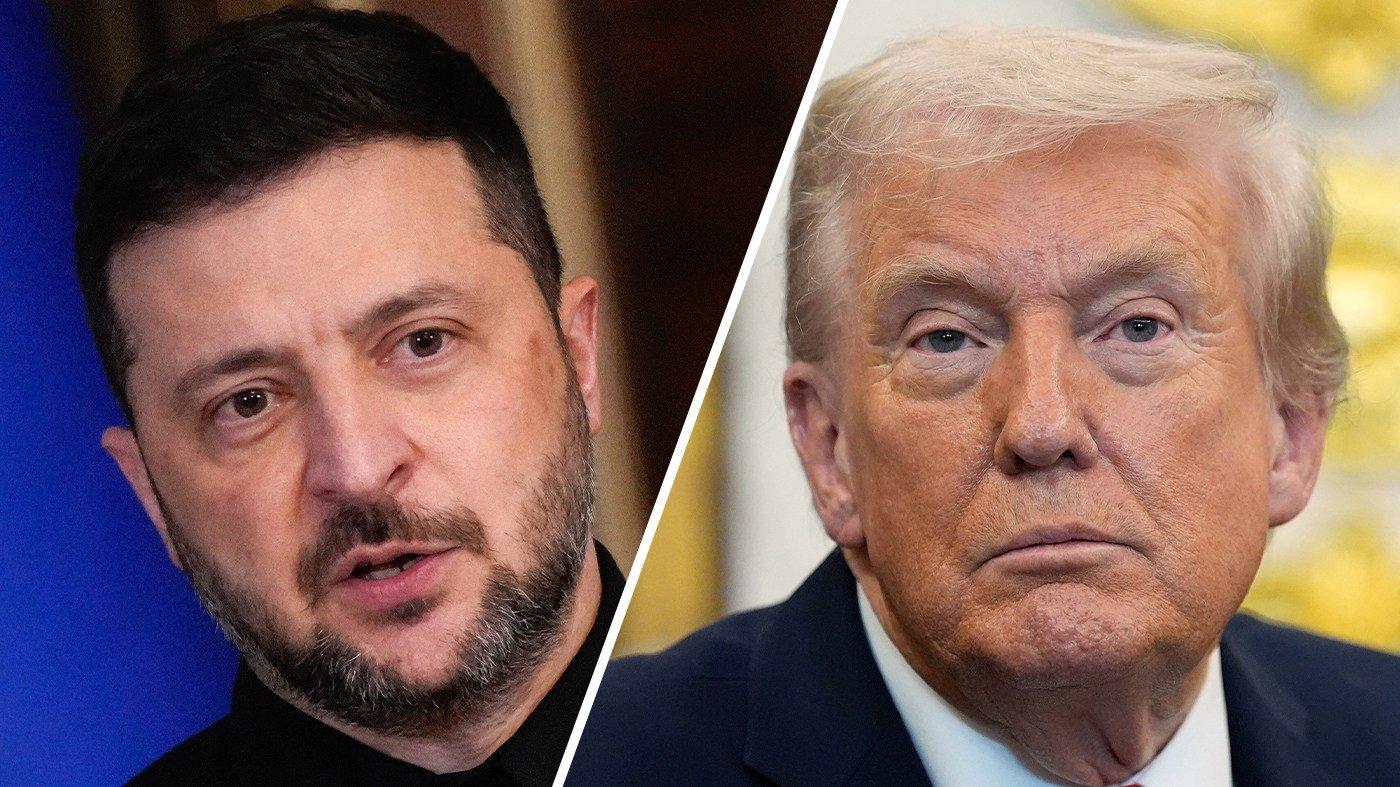
It remains unclear how the Trump administration would enforce such a toll. Secretary of State Marco Rubio previously called a similar proposal a “violation” of international law. Trump has pointed to the Panama Canal as a precedent, but that waterway is man-made and owned by Panama, which legally charges transit fees ranging from $3,000 for small vessels to over $450,000 for large cargo ships. The Strait of Hormuz, by contrast, is a natural channel governed by maritime law that guarantees free passage.
According to the administration, the proposed toll would effectively be a 20% tax on all cargo shipped through the strait. The New York Times estimates the fee could add more than $30 million in costs per vessel, a burden likely passed on to consumers and global markets.
Iran’s Counteroffer
Iranian Foreign Minister Seyed Abbas Aragachi quickly responded on social media, agreeing in principle that the country providing safe passage should be compensated. “POTUS is absolutely right. Whoever provides secure and safe passage of commercial vessels through the Strait of Hormuz should be compensated for this service,” Aragachi wrote on X. But he added, “Iran has always been the GUARDIAN of the Strait and will remain so FOREVER. 20% is of course too much. We will be fair.”
Tehran has previously levied unofficial tolls—reportedly $2 million per vessel—after laying underwater mines. While some mines remain, U.S. forces began minesweeping in June following a Memorandum of Understanding with Iran. A similar clearance operation took place in April.
Earlier Talks of a Joint Toll
The Trump administration had previously explored a joint U.S.-Iran toll on the strait during a brief pause in fighting earlier this year. In a Truth Social post in April, Trump wrote, “Big money will be made. Iran can start the reconstruction process. We’ll be loading up with supplies of all kinds, and just ‘hangin’ around’ in order to make sure that everything goes well. I feel confident that it will.” He added, “Just like we are experiencing in the U.S., this could be the Golden Age of the Middle East!!!”
But that optimism evaporated as both sides launched strikes against each other in mid-July, with the U.S. officially resuming hostilities. The renewed conflict has deepened the crisis, and technical talks are ongoing. Trump still insists a peace deal is possible, even as lawmakers and the international community urge the White House to find an exit strategy.
Broader Context
The toll proposal is the latest flashpoint in a volatile region. Earlier this month, Trump demanded Gulf states pay for U.S. protection of the strait, drawing sharp condemnation from Tehran. Critics argue the plan lacks a coherent strategy and could escalate tensions further. Meanwhile, the economic fallout is already being felt: the Federal Reserve, under Chairman Kevin Warsh, has faced scrutiny over the war’s impact on the U.S. economy.
As the standoff continues, the Strait of Hormuz remains a chokepoint for global energy supplies, and Trump’s toll idea—whether viable or not—has injected a new dimension into an already fraught geopolitical chess match.