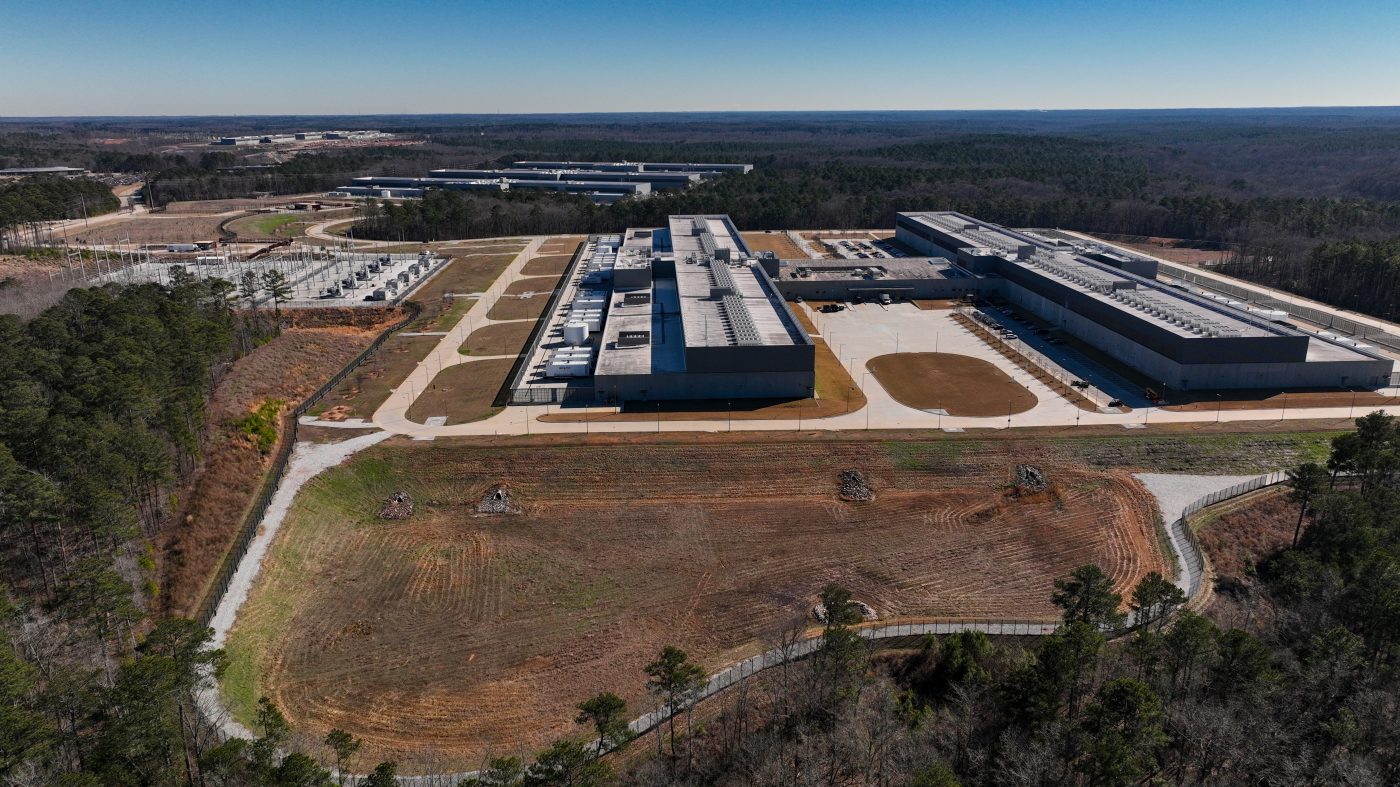
Meta is dramatically scaling up its Louisiana data center ambitions, announcing Monday that its Hyperion facility in Richland Parish will expand to 5 gigawatts of compute capacity, with total investment now exceeding $50 billion. Originally unveiled last October as a $27 billion joint venture with Blue Owl Capital, the project has more than doubled in scope as the tech giant races to build infrastructure for artificial intelligence.
The expanded capacity is central to Meta's long-term AI strategy, as data centers power the training and operation of increasingly complex models. The company emphasized that it is covering the full costs of energy, water, and related infrastructure to prevent rate increases from falling on local residents. Earlier this year, Meta struck an agreement with Entergy Louisiana that the company says will save customers more than $2 billion over two decades.
But the project lands amid growing political pushback against data center buildouts, as concerns mount over their impact on utility bills and the environment. Across the country, lawmakers and regulators are scrutinizing whether tech firms should shoulder the full cost of the massive energy demands these facilities create. In New Orleans, the city council recently imposed a one-year moratorium on new data center construction, signaling local unease.
Community leaders in Richland Parish, however, have welcomed the project. Sheldon Jones, superintendent of the Richland Parish School District, highlighted a $50,000 bonus for teachers funded by tax revenues from the development. A local coffee shop owner reported daily customer counts have jumped from 40 to 130 since construction began, underscoring the economic ripple effects.
The expansion comes as data center backlash reshapes governor races in Pennsylvania and Texas, with candidates staking out positions on the trade-offs between economic development and consumer protection. The political divide is sharpening as midterms approach, with Democrats split over data center crackdown—some pushing for stricter oversight, others wary of stifling investment.
Meta's Louisiana project is among the largest in the world, but it is not alone. The company is also investing $9.1 billion in a Canadian AI data hub, its biggest outside the United States. Yet the rapid expansion has drawn scrutiny beyond politics, with environmental and labor concerns growing. Reports highlight the dark side of Big Tech's AI data center boom, including water consumption, energy strain, and questions about job quality.
For now, Meta is betting that its willingness to pay for infrastructure will blunt criticism and secure a foothold in the AI arms race. The company's announcement frames the project as a win-win: a boost for local economies and a necessary step toward next-generation technology. But as data centers' energy demand soars, pitting builders against debaters in the global AI race, the political calculus remains uncertain.