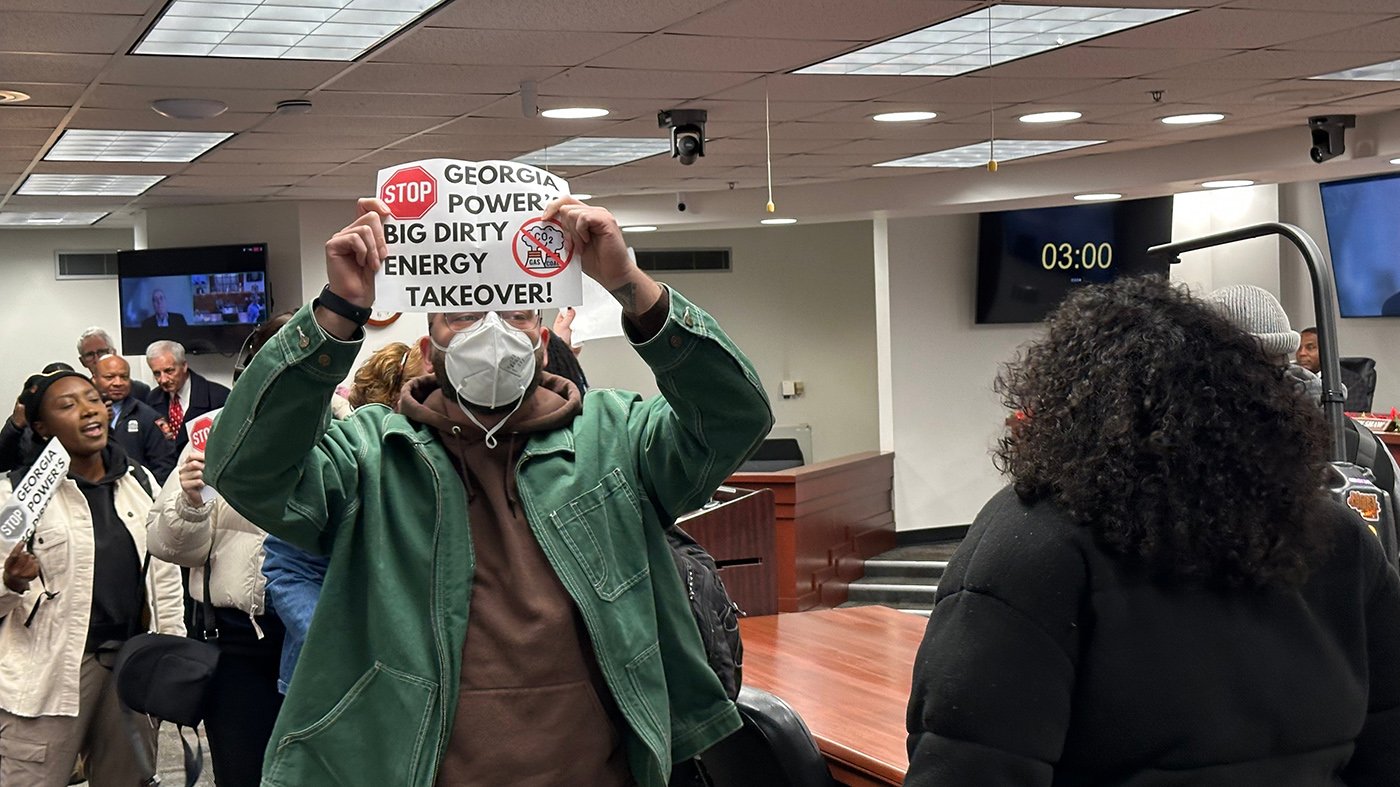
Data centers, the sprawling facilities powering the AI boom, have emerged as an unexpected flashpoint in gubernatorial races across the country, forcing incumbents and challengers alike to navigate a politically charged issue that pits economic development against local concerns over energy costs and environmental impact.
Sam Silverman, a strategist at the Silverman Strategy Group who has worked with Rep. Pat Ryan (D-N.Y.), described the facilities as an easy political target. “Could you invent an easier political target if you tried?” he said. “Absent gigantic changes in strategy, this only gets worse.” Silverman added that actively campaigning as pro-data center in a community amounts to “electoral malpractice.”

The debate is intensifying at the state level, where lawmakers are pushing moratoria and stricter regulations. Gubernatorial races, Silverman noted, are “where the rubber is first meeting the road on a lot of these policies.”
Pennsylvania: Shapiro vs. Garrity
In Pennsylvania, the race between incumbent Gov. Josh Shapiro (D) and Treasurer Stacy Garrity (R) highlights the shifting dynamics. Shapiro, a potential 2028 presidential contender, has adopted a more cautious approach since welcoming a $20 billion Amazon data center project last year. In May, he unveiled the Governor’s Responsible Infrastructure Development (GRID) initiative, a framework that requires data center developers to pay for their own power generation, be transparent about plans, and enter community benefit agreements.
The measure, which passed the state House last month, still needs Senate approval. Shapiro spokesperson Manuel Bonder said it was developed with input from community, labor, and environmental leaders, emphasizing that the governor is focused on “strict standards” to ensure projects “benefit our communities and don’t impose costs on Pennsylvanians.”
Garrity, however, is targeting Shapiro’s earlier support for the Amazon project. “Less than a year ago, Josh Shapiro was unfettered data center development’s biggest cheerleader,” she said in a statement, calling the framework voluntary and lacking leadership. Yet Garrity has also shifted her stance: she initially praised the Amazon deal and pushed for deregulation but last week called for a pause on data center development after a listening session with local leaders.
Christopher Borick, a political science professor at Lehigh University, said the race shows how officials are having to “dramatically recalibrate” their positions. “Many officials and many that are running for reelection got out over their skis on the issue,” he said.
Texas: Abbott Changes Course
In Texas, Gov. Greg Abbott (R) is also adjusting his position as he seeks reelection. Last month, Abbott called for blocking new data center development in rural areas, telling voters it aligns with “East Texas values” to push back against AI data centers. Weeks earlier, he asked state regulators to ensure residents aren’t “burdened” with infrastructure costs and proposed repealing sales tax exemptions for data centers, requiring them to add to the state’s electric capacity and use water-efficient technologies.
This marks a reversal from last November, when Abbott touted Texas as the “epicenter of AI development.” The shift reflects broader voter unease, as data centers’ energy demands and land use spark local opposition.
The issue is resonating beyond these races, with implications for national politics. For more on how state-level dynamics are influencing national trends, see our analysis of the Cook Report shifts in key governor races. Meanwhile, the debate over federal policy continues, as highlighted by the proposed rule allowing political interference in grants.
As data centers become a tangible symbol of AI’s rapid expansion, gubernatorial candidates are finding that voters’ concerns about energy prices and land use are forcing them to rethink their positions—or risk electoral backlash.