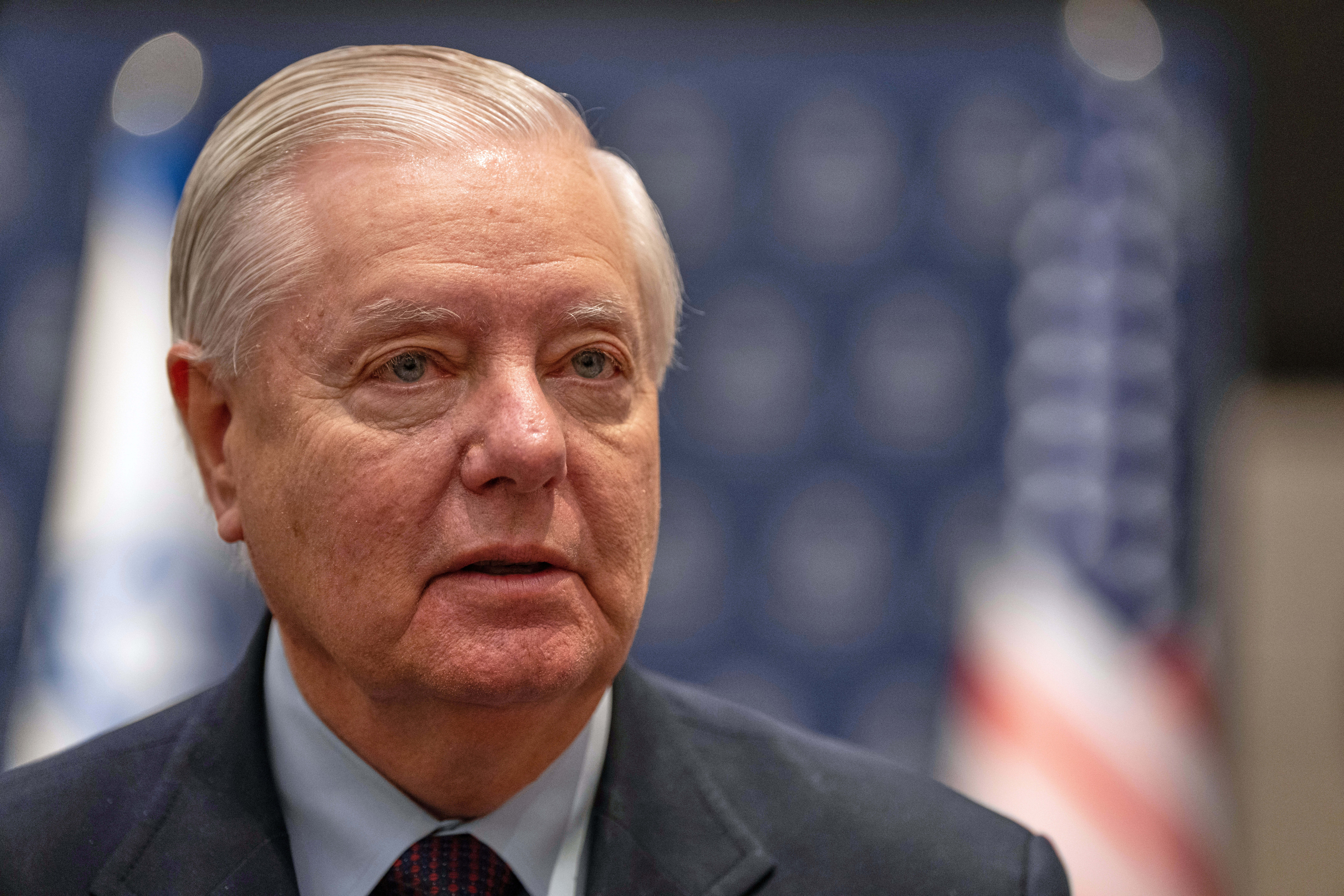
The death of Senator Lindsey Graham (R-SC) on Saturday, July 11, following a brief illness, has set in motion a carefully prescribed legal process under South Carolina law to fill both his current Senate seat and his spot on the November ballot.
Graham, 71, had secured the Republican nomination in June and was slated to face Democrat Dr. Annie Andrews in the general election. His sudden passing leaves a vacancy that must be addressed through two separate mechanisms—one temporary, one electoral.
Interim Appointment by Governor McMaster
Under the 17th Amendment to the U.S. Constitution, states may empower their governors to make temporary appointments to fill Senate vacancies. South Carolina is one of those states, meaning Governor Henry McMaster will appoint an interim senator to represent the state until a successor is duly elected and qualified. The appointee will serve until the conclusion of the special election process established by state law.
The U.S. Senate does not select Graham's replacement; its role is limited to seating the individual chosen through the state's constitutional and statutory procedures.
Special Primary to Choose GOP Nominee
Because Graham won the Republican nomination through a primary election, South Carolina law requires a special primary to select a new nominee. Under Section 7-11-55 of the South Carolina Code of Laws, when a party nominee dies, becomes disqualified, or resigns for a qualifying reason, a special primary must be held. Candidate filing opens on the second Tuesday after the vacancy occurs and remains open for one week. The special primary is then held on the second Tuesday after the filing period closes. If no candidate wins a majority, a runoff election follows two weeks later.
The law also mandates that the replacement nominee be certified at least two weeks before the general election to appear on the November ballot. If certification occurs less than two weeks before the election, the seat would instead be filled through a special election held after the general election.
This process mirrors the approach taken in other recent vacancies and ensures that South Carolina voters ultimately decide who will serve the remainder of Graham's term. The timing is tight, but state officials are expected to move swiftly to meet the November deadline.
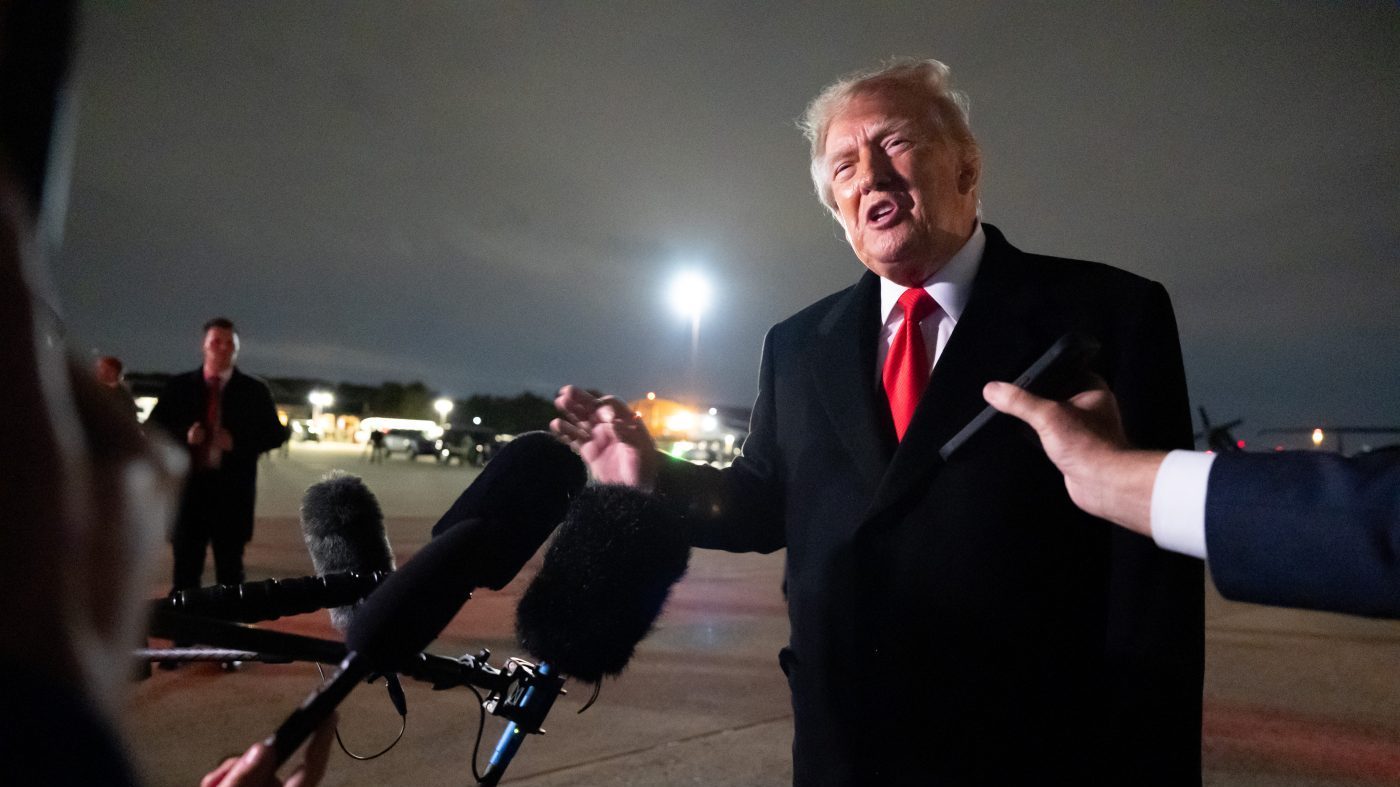
Graham's death has already drawn tributes from across the political spectrum, including from former President Donald Trump, who called him a 'true patriot.' The coming weeks will test the resilience of South Carolina's political machinery as it navigates this unexpected transition.