The United States is at a critical juncture where decades of federal investment in public health—responsible for doubling global life expectancy since 1900—are being systematically dismantled. The consequences, experts warn, could be catastrophic.
For much of the 20th and early 21st centuries, U.S. government support for vaccine research and humanitarian aid was a cornerstone of global health. This funding enabled scientists like Dr. Maurice Hilleman, a Montana-born immunologist who developed 40 vaccines—including those for measles, mumps, and hepatitis B—to save millions of lives. His work, backed by federal encouragement, was no accident; it was the product of sustained public commitment.
Today, that commitment is eroding. The abrupt halt of U.S. donations to combat tuberculosis in 2025, following the dissolution of the U.S. Agency for International Development, and announced cuts to PEPFAR—the program credited with saving 26 million lives from HIV/AIDS—signal a retreat from proven public health strategies.
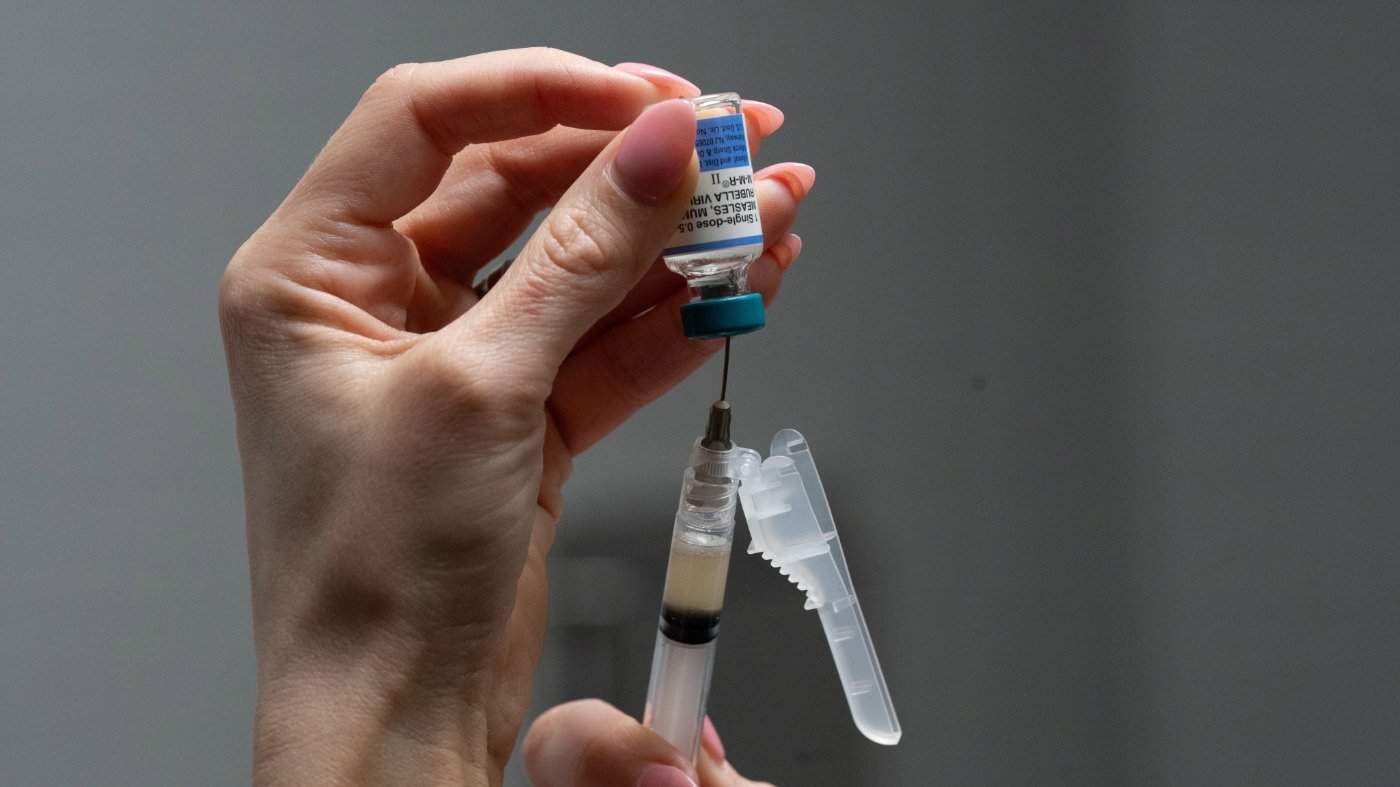
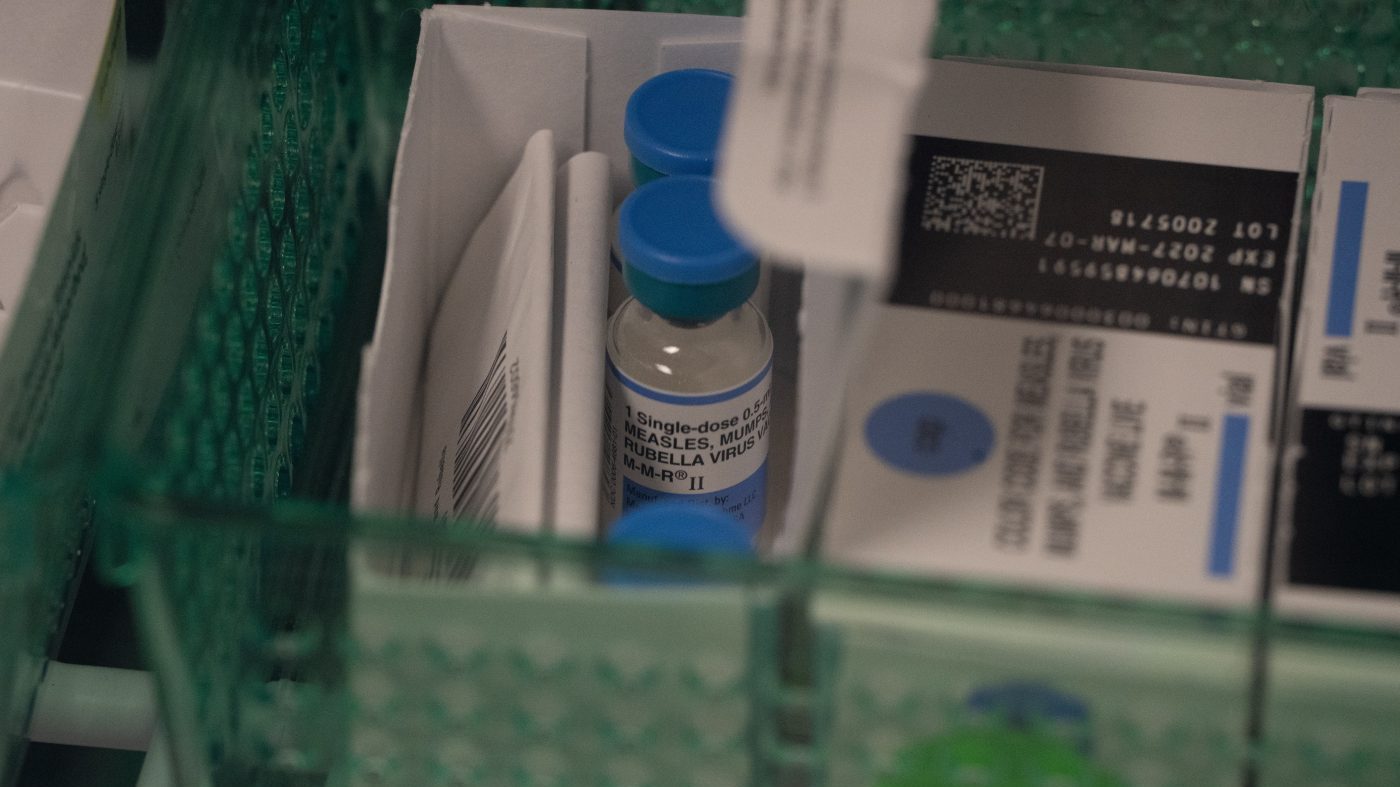
Domestically, the consequences are already visible. Measles, declared eliminated in the U.S. in 2000, has resurfaced in communities with low vaccination rates. Whooping cough outbreaks are spiking. These diseases once feared by every family—polio paralyzed children, measles hospitalized tens of thousands annually—are making a comeback as public trust in science wanes.
The politicization of vaccines has exacerbated the problem. Defense Secretary Pete Hegseth ended mandatory flu shots for service members in April, calling the requirement "overly broad and not rational." Just two months later, a flu outbreak at Lackland Air Force Base sickened 275 troops and hospitalized four, prompting Hegseth to reinstate the policy for recruits—a tacit admission that the science works.
Public health decision-making should be open to debate, but rejecting decades of evidence without offering compelling alternatives is a major step backward. The CDC estimates that vaccines administered to children born between 1994 and 2013 will prevent 322 million illnesses, 732,000 deaths, and 21 million hospitalizations over their lifetimes. Those numbers are not abstract; they represent lives saved by government-backed research.
The pathogens that American researchers spent generations controlling have not vanished. They are waiting for the moment we let our guard down. As the U.S. retreats from global health leadership and domestic vaccination requirements, the risk of a resurgence in preventable diseases—and the emergence of new ones—grows.
This is not a hypothetical future. It is a choice being made now by policymakers who must decide whether to follow the evidence and fund public health measures, or accept a reality where once-eradicated diseases become part of everyday life. The stakes are nothing less than the health of America and the world.