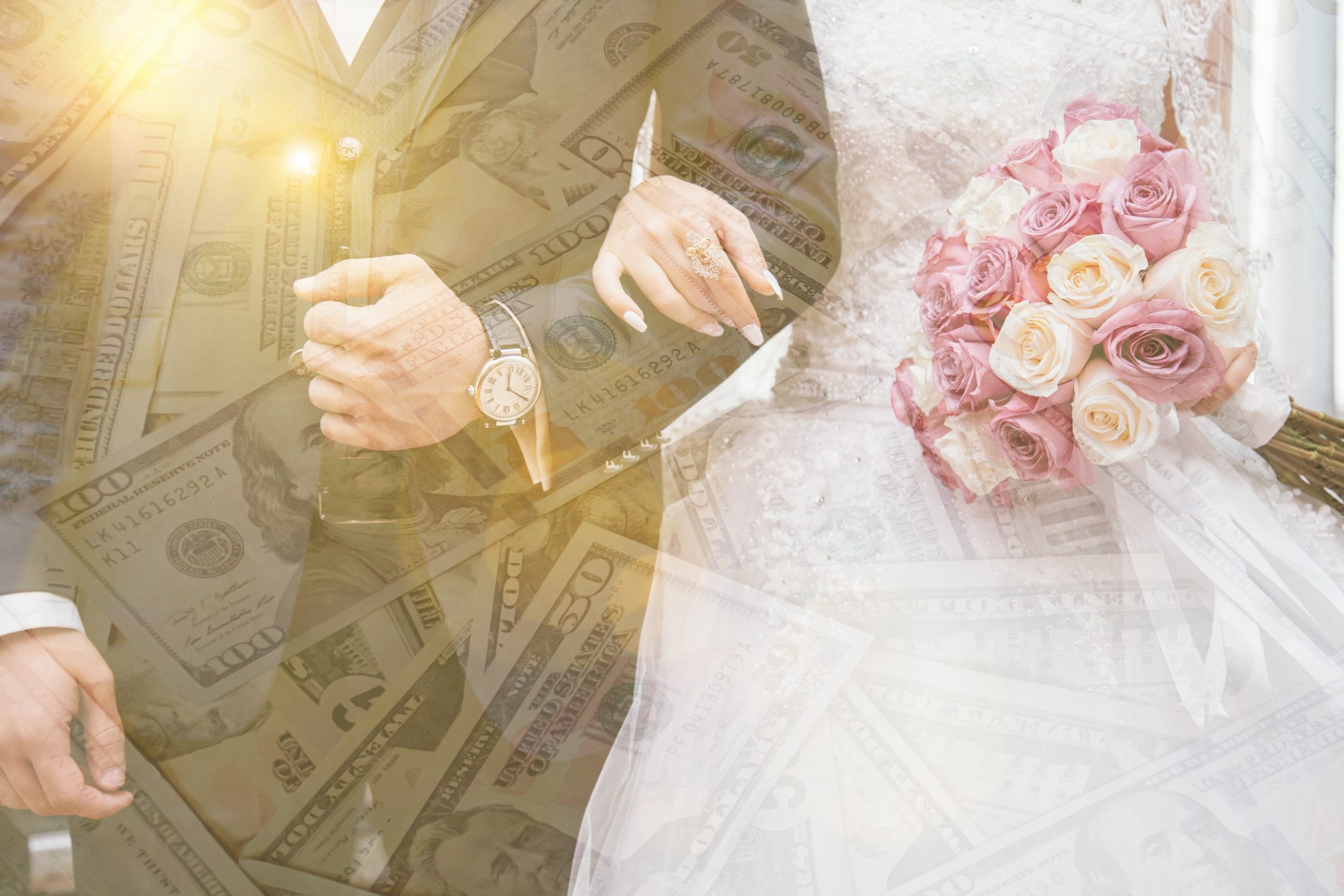
Weeks ago, I married my best friend, Stephen, in what felt like a perfect day: spring sunlight, string lights, Greek food, and chocolate cake. My parents generously covered the bill, sparing me the final tally. But through months of planning, I watched the quotes roll in and the negotiations unfold, revealing an industry that capitalizes on emotion. Vendors charge a premium for being entrusted with someone's 'greatest day,' and couples seem willing to pay it, driving costs ever higher.
The traditional wedding has become a luxury purchase, one quickly pricing out the average couple. A generation ago, communities built weddings together—neighbors brought food, cousins handled flowers, church halls were free. Today, specialists replace friends and family, each billing for expertise, creating a product that has priced out its own meaning.
This unsustainable model worsened after COVID. Stimulus money and supply chain issues drove costs up by flooding the economy with easy money, giving vendors reason to raise prices and specialize further, betting on demand that wasn't sustainable. Elopement has surged as a response: in 2021, elopement inquiries to planners rose 72 percent, and 41 percent of Gen Z couples now plan to skip the aisle entirely. With median savings at $22,500, the decision is less about romance and more about budget. What was once scandalous has become a generational trend.
COVID partly explains the surge—postponed weddings created artificial demand against limited venue, caterer, and photographer supply. But costs were climbing long before. In 1990, the average wedding cost about $4,000; by 2000, it had nearly quadrupled to $15,000, driven largely by a shift from church ceremonies to dedicated venues, which now carry a $6,900 to $10,300 price tag—the biggest budget line item. Today, most U.S. couples spend between $20,000 and $40,000, more than a year of college tuition.
This is bubble behavior, reminiscent of the 2008 housing bubble or the late-1990s dot-com boom. Inflated expectations, easy money, and the assumption that prices only go up prop up the wedding industry. Underneath the economics lies a cultural warning: society has stopped valuing marriage and started fetishizing the wedding. As marriage lost institutional weight, the wedding was asked to carry more. Social media fuels this, serving brides-to-be endless trends and must-have moments, raising the bar for what a wedding should be. Couples are not just paying for a wedding—they're buying the version of themselves they want the world to see. When that pressure meets a $40,000 price tag, debt becomes the path of least resistance.
Credit isn't inherently the problem—people finance cars, homes, and education. But those are assets that hold value and build equity. A wedding is a single day. With more than two-thirds of couples in 2025 using personal loans or credit cards to pay for weddings, the numbers look uncomfortably familiar: debt taken on to meet an artificially inflated standard, propped up by an industry that profits from insecurity. This isn't just a personal finance problem; it's systematic. History doesn't repeat itself, but it rhymes.
What happens when the model breaks? The instinct is to assume cheaper weddings, but that's unlikely. The industry's reliance on debt and emotional spending means a correction could lead to fewer, smaller weddings—or a shift toward simpler ceremonies. As a recent poll shows 95% of Americans say the nation is in an affordability crisis, the wedding industry's bubble may be the next to pop.