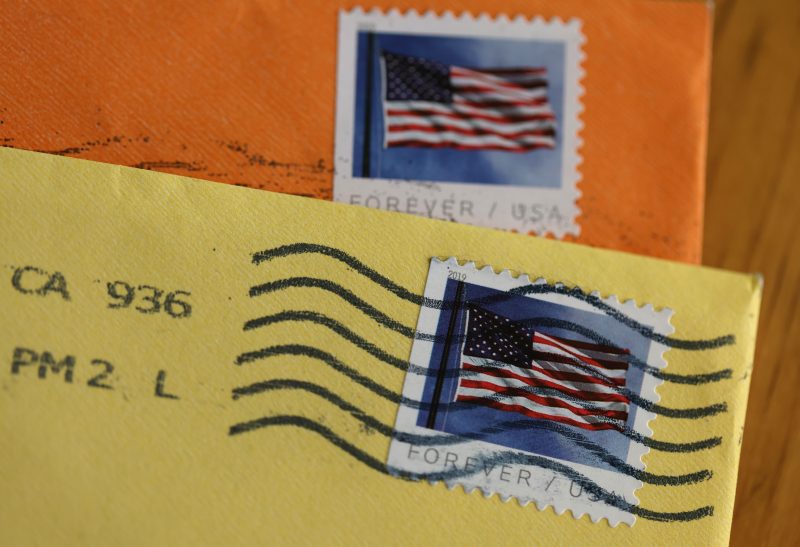
The cost of sending a letter is going up again. Starting Sunday, Forever stamps will cost 82 cents each, a 4-cent jump from the current 78-cent price. This marks the eighth price increase for the popular stamps since 2021, reflecting the Postal Service's ongoing push to cover rising operational costs.
Domestic postcards will also see a hike, rising from 61 cents to 65 cents. Metered mail will increase from 74 cents to 78 cents, and international postcards and letters will go from $1.70 to $1.75. The 5% increase on Forever stamps comes just a year after the last hike, which lifted prices from 73 cents to 78 cents.
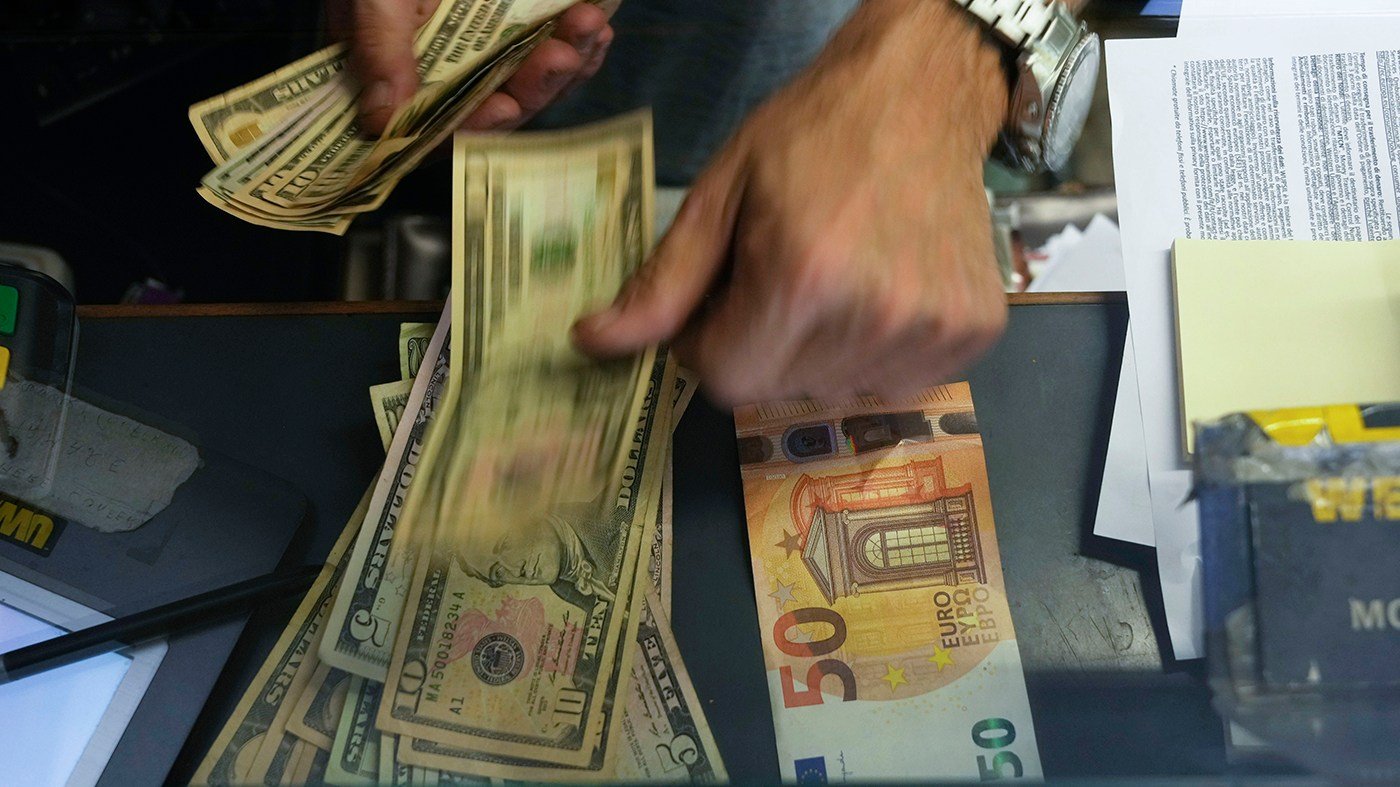
The Postal Service has argued that these increases are necessary to keep the agency financially afloat. Since the pandemic, mail volume has declined sharply, while delivery costs for fuel, vehicles, and labor have risen. The agency's 10-year strategic plan, Delivering for America, includes regular price adjustments as a key pillar of its self-funded model.
Critics, however, say the repeated hikes are burdening consumers and small businesses that still rely on physical mail. "Every time stamps go up, it's another hit to people who can't just switch to email," said a postal policy analyst. "For many rural communities and older Americans, mail remains essential."
The increase comes amid broader inflation pressures across the economy. Similar to how gas prices have stayed high despite falling oil costs, postal rates are climbing faster than overall inflation, drawing scrutiny from lawmakers and consumer advocates.
Postal officials have signaled that more increases are likely. Under the terms of the 2020 Postal Service Reform Act, the USPS can raise prices at a rate tied to inflation, but it has frequently sought additional authority for larger hikes. "This isn't going to be the last one," said a USPS spokesperson. "We have to balance affordability with the need to maintain universal service."
The steady climb in postage costs mirrors other government-related price pressures. For instance, California's gas price crisis has also been blamed on state policies, and the Justice Department is now probing potential manipulation in energy markets. While postal rates are set by an independent commission, critics argue that the USPS lacks the same accountability.
For consumers, the advice remains simple: buy Forever stamps now before the price goes up. Since Forever stamps never expire, stocking up at the current 78-cent rate could save money for years. But with another hike likely within 12 months, the window to lock in lower rates is closing fast.
As the Postal Service continues to modernize, it faces a delicate balancing act: raising prices to stay solvent without alienating the customers it needs to survive. For now, the cost of a stamp keeps climbing, and there's no sign of a turnaround.