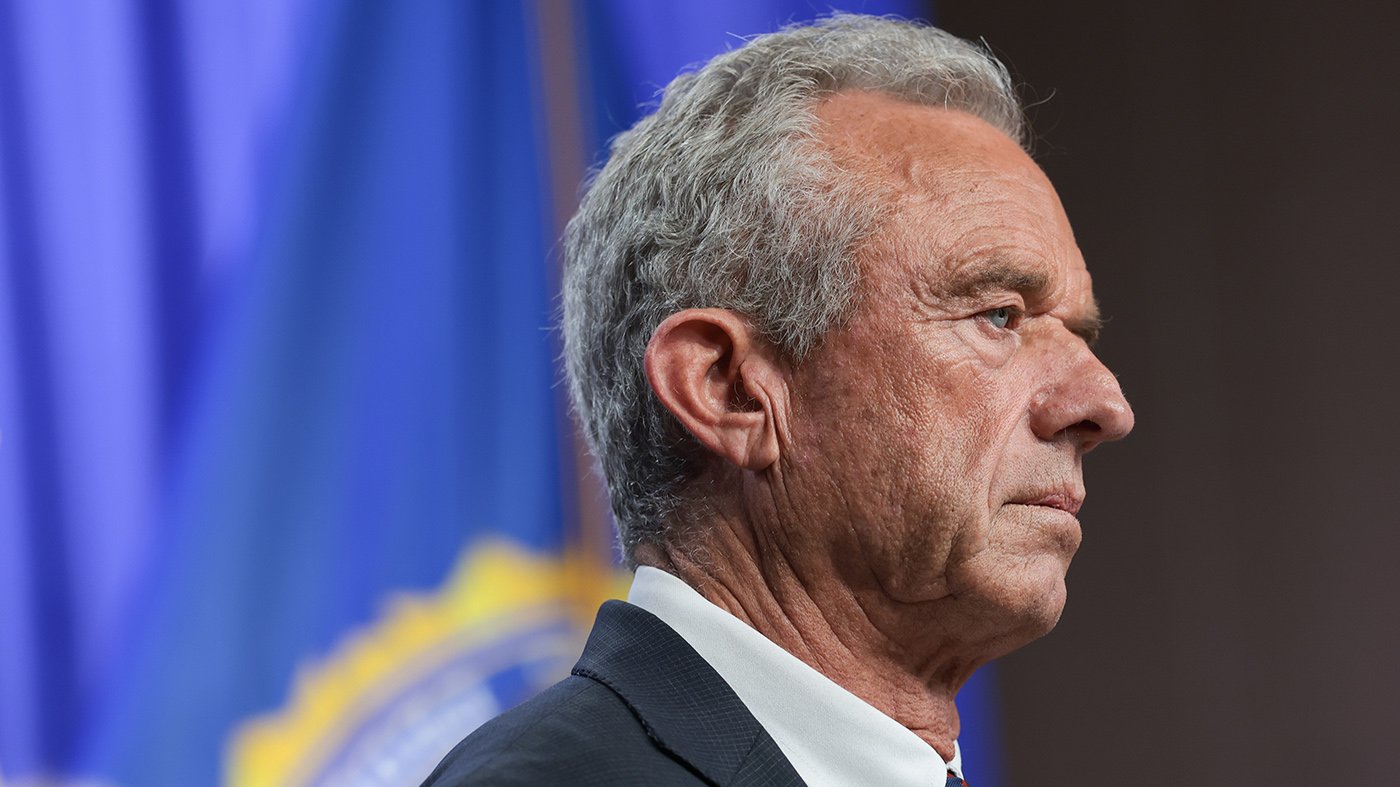
Health and Human Services Secretary Robert F. Kennedy Jr. is quietly reshaping another influential health panel, the U.S. Preventive Services Task Force, which determines what preventive services insurers must cover at no cost under the Affordable Care Act. After blocking the panel from meeting four times, refusing to replace members whose terms expired, and firing its top leaders in May, the task force is now scheduled to convene in August—its first public meeting in 17 months—with up to eight new members.
Critics say the administration has not explained why the panel is being overhauled or what its new mission should be, fueling fears of political interference in an institution that has long been considered apolitical. Former members report that HHS has blocked the task force from starting work on new topics and suppressed four new guidelines, including updated recommendations for cervical cancer screening. HHS declined to answer specific questions about the delays or Kennedy's plans, with senior press secretary Emily Hilliard attributing the postponed July meeting to an “unprecedented number of nominations” requiring additional time for selection.
Kennedy has publicly blasted the task force, calling it “lackadaisical” and claiming it failed to push for early Alzheimer's screening. During a House hearing in April, he said the agency is “bringing new members on who have a clear mission,” though he did not elaborate. The lack of transparency has alarmed public health experts, especially after Kennedy fired the panel's chair and vice chair in May—leaving a political appointee, Agency for Healthcare Research and Quality Director Roger Klein, to lead member selection.
The moves echo Kennedy's earlier dismantling of the Centers for Disease Control and Prevention's Advisory Committee on Immunization Practices, which he stacked with vaccine skeptics. That effort was temporarily blocked in court after widespread backlash. Michael Silverstein, a former co-chair of the task force whose term ended in March, warned that Kennedy is repeating the pattern but more slowly. “He got into lots and lots of trouble, and there was lots of bad press by exploding ACIP and populating it with people who are non-science-based,” Silverstein said. “He's doing the same thing to the U.S. Preventive Services Task Force, but slower. But the function and the end result, I worry, is going to be the same.”
The task force, established in 1984 under President Reagan, is composed of primary care doctors who review evidence and assign grades to services like cancer screenings and HIV prevention drugs. Under the Affordable Care Act, insurers must cover services rated A or B at no cost to patients. The panel has historically enjoyed bipartisan support and avoided political controversy, even when its recommendations sparked medical debate.
Beyond the stacking concerns, there is unease that HHS is seeking physician specialists rather than primary care doctors for the panel. John Ruiz, a former task force member, warned that specialists may lack the breadth needed to evaluate diverse topics—from breast cancer to anxiety disorders to childhood dental issues. “You have to be able to review evidence for breast cancer, but then turn around and review evidence for anxiety disorders,” he said. Aaron Carroll, president of AcademyHealth, a health policy research nonprofit, said inserting politics into the process threatens the panel's credibility and delays evidence-based care that patients rely on.
The situation adds to broader debates about health policy transparency and political interference in independent bodies. Similar concerns have emerged in other arenas, such as fears of political stacking in election commissions and legal challenges to health programs.